Hidden Gems of Shanghai: 10 Secret Spots You Won’t Find in Guidebooks!
The Concrete Palimpsest: Chasing Ghost Echoes in the City of Ash and Gold
Shanghai does not merely exist; it vibrates with a predatory sort of grace. It is a city that consumes its own history with a silver fork, washing it down with a glass of warm oolong and a shot of high-octane espresso. To the uninitiated, the skyline is a neon-lit hallucination—the Oriental Pearl Tower pulsing like a radioactive lollipop against a sky the color of a bruised plum. But if you press your ear against the damp, grey bricks of the shikumen lanes, or if you follow the scent of scorched sesame oil down an alleyway that hasn’t seen sunlight since the Qing Dynasty, you realize the guidebooks have lied to you. They gave you the postcard; I am here for the ink stains on the back.
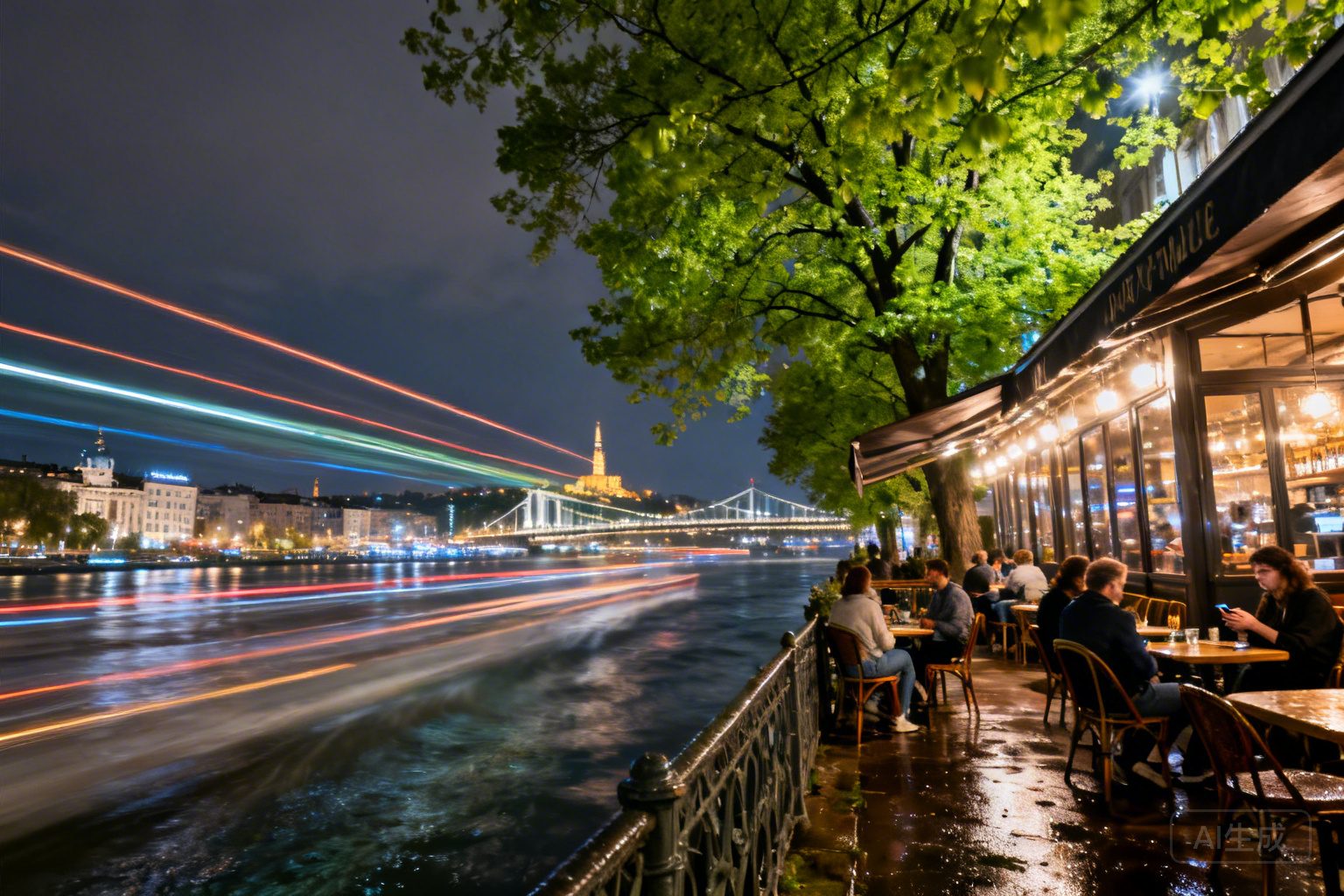
The air at 5:45 AM near the Suzhou Creek is thick, tasting of river silt and the metallic tang of impending rain. I am standing at a corner where the pavement is uneven, the concrete puckered like a scar. Here, the wind is a fickle thing—sharp, biting, smelling of wet laundry and diesel. A frantic office worker, his tie loosened like a hangman’s noose, scuttles past me, his leather soles clicking a frantic staccato against the stone. He is chasing a clock that doesn’t care about his fatigue. He is the heartbeat of the new China, but I am looking for the city’s slow, rhythmic pulse.
1. The Garden of the Silent Widow (Hidden inside the Old Town)
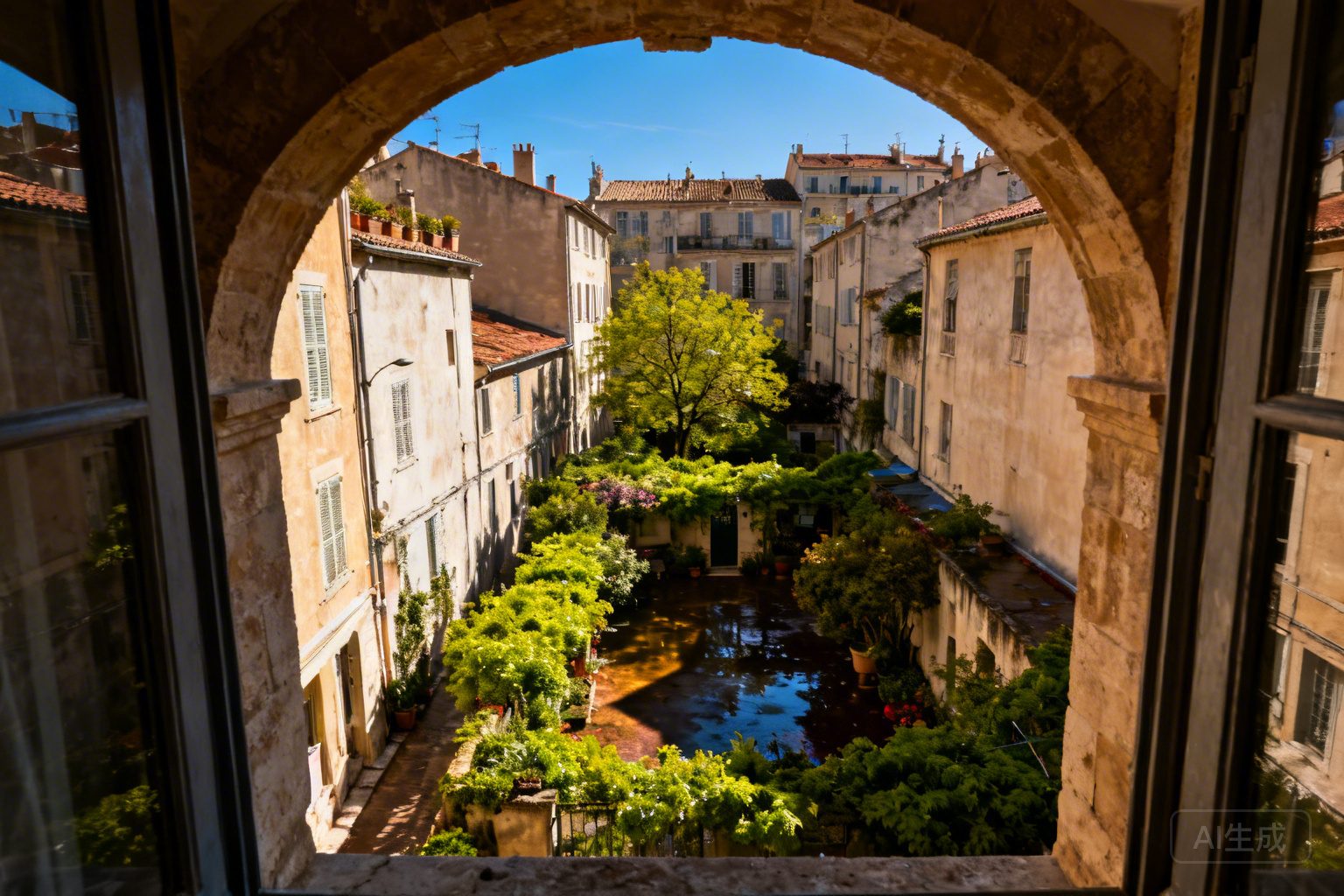
Beyond the tourist traps of Yuyuan Garden lies a nameless courtyard tucked behind a red door so faded it looks like dried blood. There is no sign. There is only a brass knocker shaped like a lion’s head, its nose rubbed shiny by decades of hesitant fingers. Inside, the noise of the city—the screech of ebikes, the distant roar of the elevated highway—vanishes. It is replaced by the rhythmic plink-plink of water dripping from a cracked stone basin into a pool of dormant lilies.
An elderly woman sits on a bamboo stool, her spine curved like a question mark. She is peeling a mandarin orange, the citrus zest cutting through the musty smell of damp moss. She doesn’t look up. She is a fixture of this silence, a living relic in a city that treats the past like an inconvenience. The texture of the walls here is a frantic collage of peeling grey paint and emerald lichen, layers of time stacking up like a sedimentary record of every storm that has lashed the Yangtze Delta since 1920.