How to Do Antalya Like a Celebrity: The A-List Travel Guide!
The Amber Hour at the Edge of the Levant
The Mediterranean does not merely lap at the shores of Antalya; it besieges it with a relentless, sapphire arrogance. To arrive here with the intent of “doing” the city like an A-lister is to understand, first and foremost, that time in the Turkish Riviera is not a linear progression of minutes, but a textured layering of epochs. You do not just land at the privatized CIP terminal, where the air smells faintly of expensive oud and chilled white mulberries; you descend into a palimpsest of Roman granite, Seljuk turquoise, and the raw, unvarnished ambition of the modern Mediterranean elite.
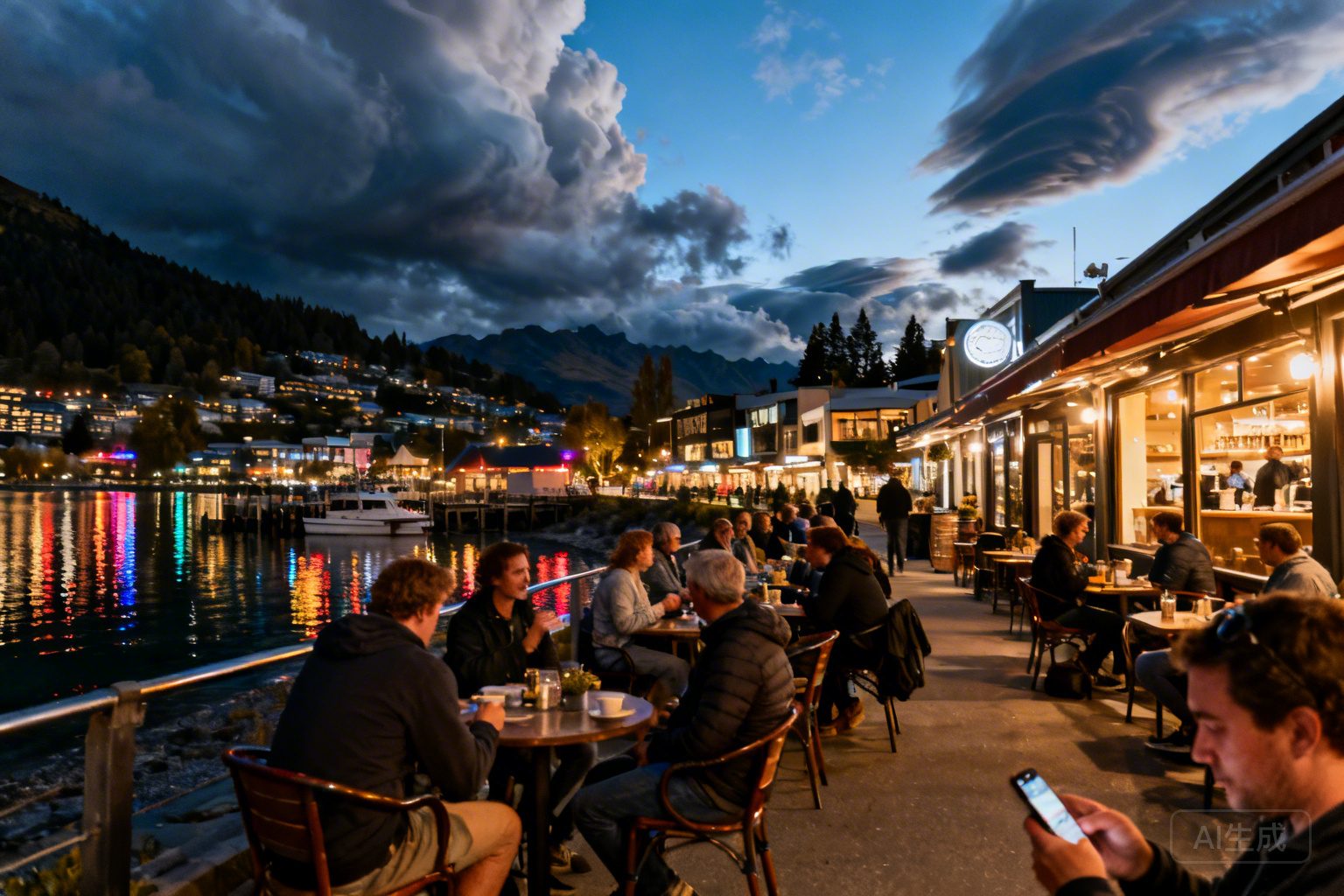
The wind at the corner of Cumhuriyet Square at precisely 6:15 PM carries a specific, salt-heavy chill that cuts through the lingering heat of the asphalt. It is a wind that has traveled from the Taurus Mountains, picking up the scent of crushed pine needles and wild thyme before colliding with the humidity of the harbor. This is where the narrative begins—not in the guidebooks, but in the sensory overload of a city that refuses to be quiet.
Kaleiçi: The Labyrinth of Silent Stone
To move like a ghost through the ancient heart of the city, one must enter Kaleiçi through Hadrian’s Gate. The three marble arches stand as a triumphal defiance of time, the stone worn smooth by two millennia of sandals, boots, and the occasional stiletto. Look closely at the relief carvings: the acanthus leaves are chipped, the edges softened like melting wax, yet they retain a regal indifference to the tourists snapping selfies below.
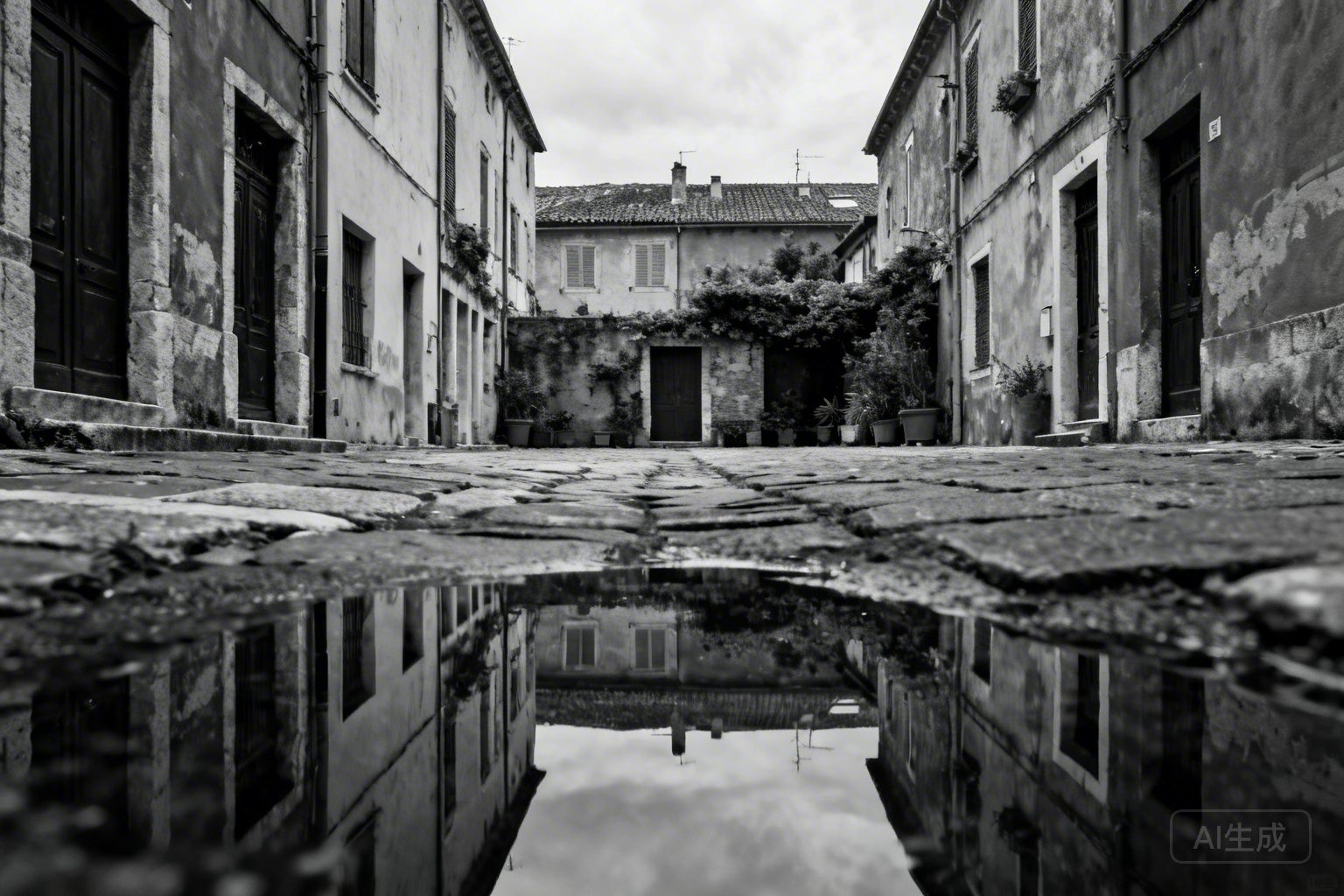
Inside the walls, the geography becomes a fever dream. The streets are narrow enough for neighbors to shake hands across the balconies of 100-year-old Ottoman mansions. Here, the paint on a heavy chestnut door doesn’t just flake; it curls like dried parchment, revealing layers of indigo, ochre, and a ghostly white that dates back to the Great Fire. You catch the scent of portakal çiçeği—orange blossom—thick and cloying, battling the sharp, acidic tang of a nearby fish monger’s bucket.