How to Do Brussels Like a Celebrity: The A-List Travel Guide!
The Silver Ghost of the Senne
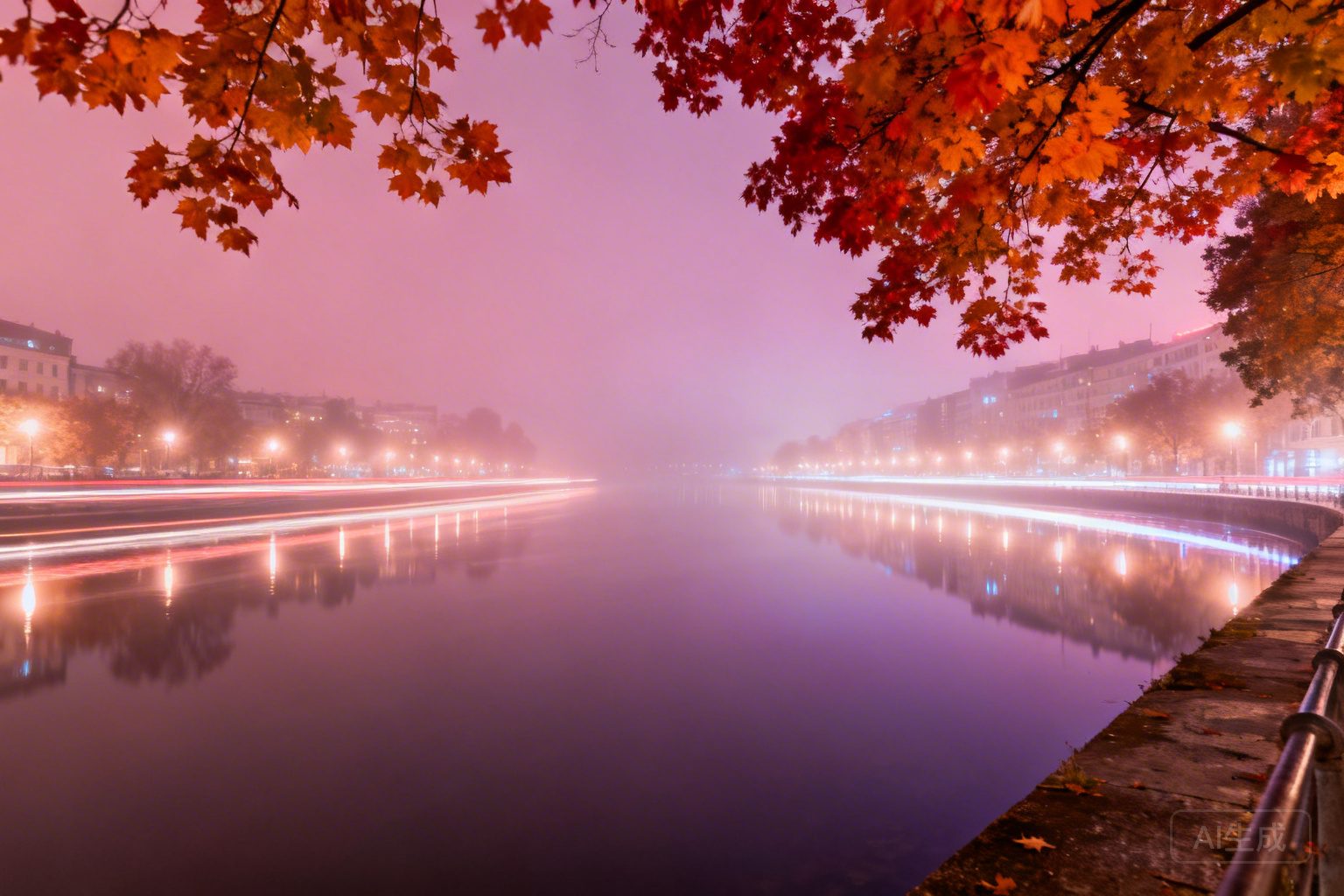
To enter Brussels is to enter a city that has spent centuries perfecting the art of the shrug. It is a metropolis of high-stakes bureaucracy and low-lit jazz cellars, a place where the air smells perpetually of toasted sugar and damp stone. Most visitors treat it as a transit point—a convenient waypoint between the neon glitter of London and the structured elegance of Paris. But they are wrong. They are missing the texture of the fog as it clings to the soot-stained gargoyles of the Grand Place, and they are missing the specific, vibrating silence of a private gallery in Ixelles. To do Brussels like a celebrity is not about being seen; it is about the exquisite luxury of disappearing into a landscape of surrealist shadows and velvet curtains.
The arrival must be handled with a certain topographical precision. Forget the frantic sprawl of Zaventem. Instead, find yourself emerging from the belly of the Gare du Midi, where the screech of the Thalys tracks provides a metallic overture to the city. The air here is sharp, tasting of ozone and the scorched fat from a nearby kebab stand. You are met by a driver whose face is a map of Belgian stoicism—deep furrows around the eyes, a mouth that hasn’t surrendered to a smile since the reign of King Baudouin. He carries a leather weekend bag as if it were a holy relic. The car, a charcoal-grey sedan with windows tinted to the color of a bruised plum, glides through the Saint-Gilles district, where the Art Nouveau townhouses lean into one another like gossiping aristocrats.
Brussels is a city of layers, a palimpsest where 14th-century cellars support 21st-century glass towers. To understand it, you must start at the Hotel Amigo. It sits just behind the Grand Place, housed in a former prison, a fact that lends a delicious, subversive irony to its five-star plushness. The floorboards in the lobby are reclaimed from a centuries-old abbey; they don’t just creak, they groan with the weight of history. The tapestries on the walls are thick enough to muffle a revolution. Here, the service is a choreographed ballet of invisibility. You are not a guest; you are a ghost in a silk suit.
The Architecture of Ego and Irony
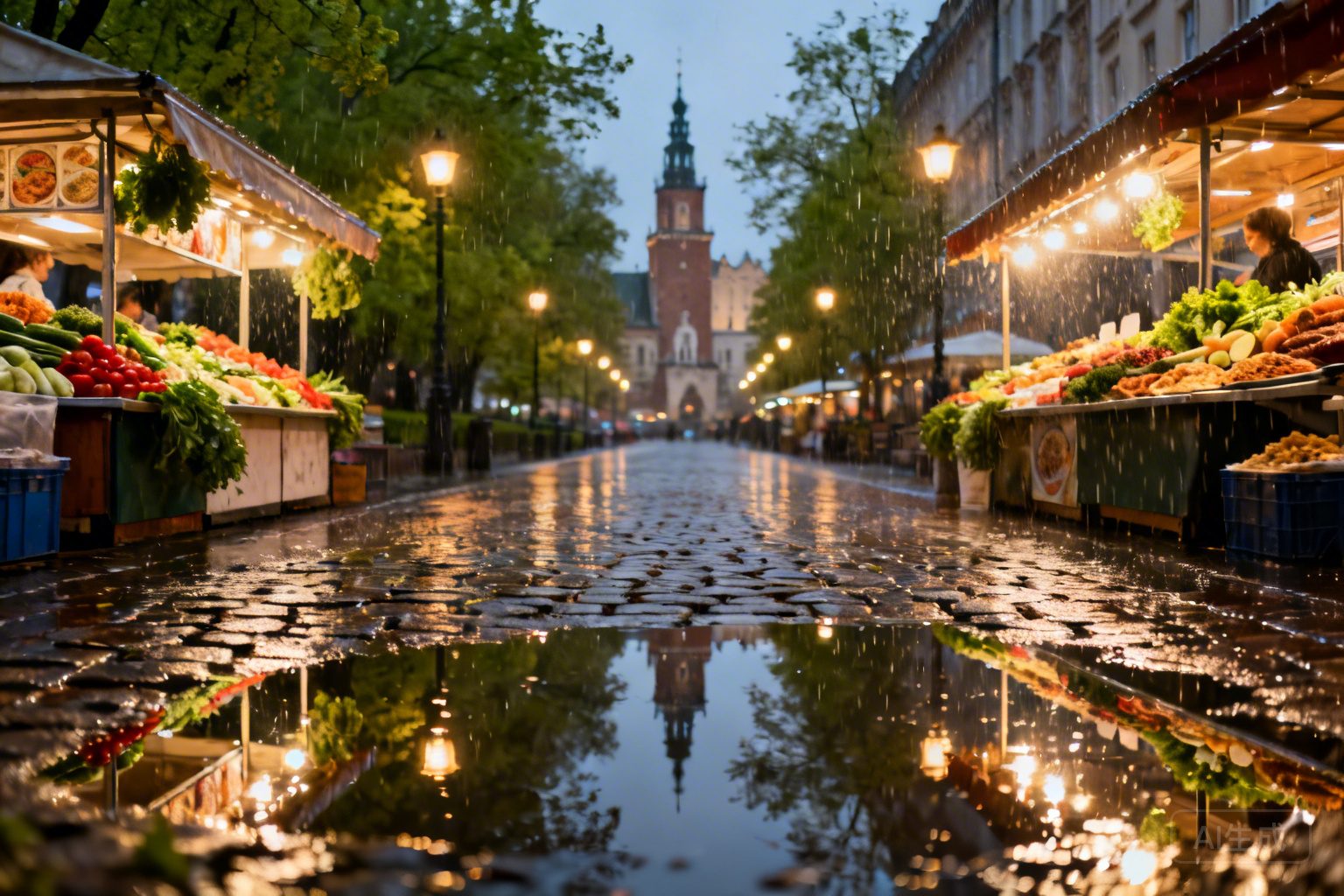
By mid-morning, the light in Brussels has a peculiar, milky quality, as if the sky were a vast sheet of frosted glass. I walk toward the Sablon, the district of antiquarians and chocolatiers. The cobblestones here are uneven, slick with a fine mist that the locals call crachin—a rain so thin it feels like an insult. I pass a frantic office worker, a man in a navy suit three sizes too small, clutching a leather briefcase as if it contained the secret codes to the European Commission. He vibrates with a kinetic, anxious energy that contrasts sharply with the woman sitting at a sidewalk cafe. She is wrapped in a charcoal cashmere wrap, staring at a glass of Geuze with the intensity of a diamond cutter. She is the archetype of the Brussels elite: wealthy, bored, and perfectly composed.