How to Do Mendoza Like a Celebrity: The A-List Travel Guide!
The Violet Hour of the Andes
The descent into Mendoza is not a flight; it is a surrender. As the fuselage of the private Embraer tilts, the Andes surge upward like a row of jagged, rusted teeth biting into a sky the color of crushed blueberries. There is no gradual transition from the pampa. One moment you are hovering over the flat, golden boredom of central Argentina, and the next, you are confronted by the Aconcagua—a titan draped in eternal, blinding white, standing sentinel over a desert that man forced to bloom. This is a landscape of impossible thirst and calculated indulgence.
To arrive like a celebrity is to understand that time in Mendoza is not linear; it is liquid. It flows with the irrigation ditches—the acequias—that line the streets, gurgling with snowmelt. The air at the airport exit hits you like a cold silk scarf. It carries the scent of toasted poplar leaves and the faint, metallic tang of minerals. My driver, a man named Hugo with skin the texture of a well-loved Chesterfield sofa, takes my bags without a word. He maneuvers the black SUV through the outskirts where the paint on the roadside shrines is peeling in sun-bleached flakes of ochre and crimson. Here, the local legend of Difunta Correa—the saint of thirst—presides over piles of discarded water bottles, a grim reminder that in this province, water is more sacred than gold.
We are heading toward the Uco Valley, but first, the city must be acknowledged. Mendoza is a grid of leafy shadows, a forest masquerading as an urban center. After the 1861 earthquake flattened the colonial adobe, the city was rebuilt with streets wide enough to prevent falling buildings from crushing the fleeing populace. It is a city designed by trauma and perfected by leisure.
The Ritual of the Midday Ghost
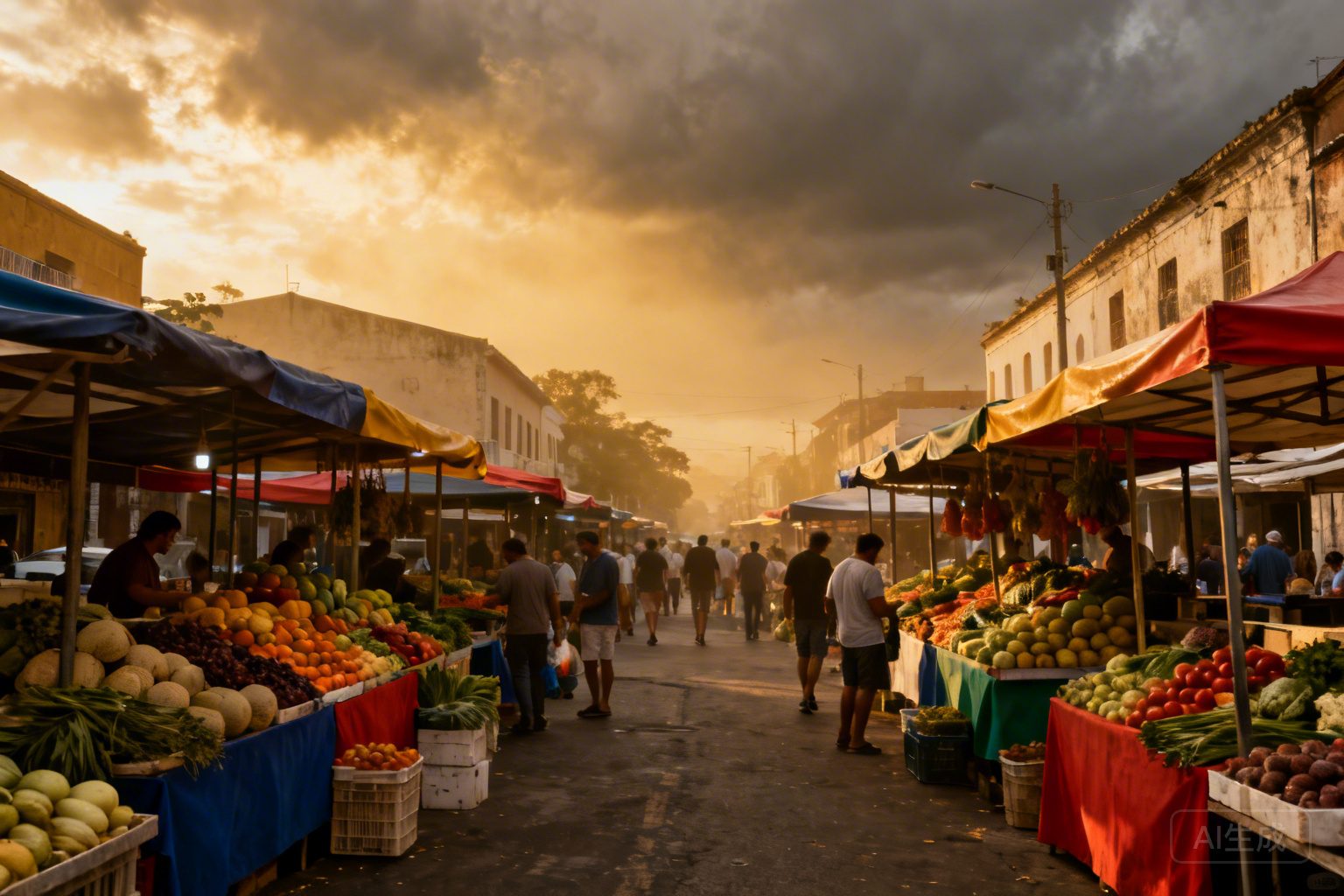
At 2:00 PM, Mendoza undergoes a metamorphosis. The frantic energy of the morning—the sharp-suited office workers darting across the Plaza Independencia with espresso-stained breaths—vanishes. The shop shutters, heavy corrugated iron painted in fading pastels, slam shut with a dissonant symphony of metallic clangs. This is the Siesta. To do Mendoza like an insider is to embrace this void.