How to Do Prague Like a Celebrity: The A-List Travel Guide!
The Gilded Labyrinth: A Masterclass in Bohemian Opulence
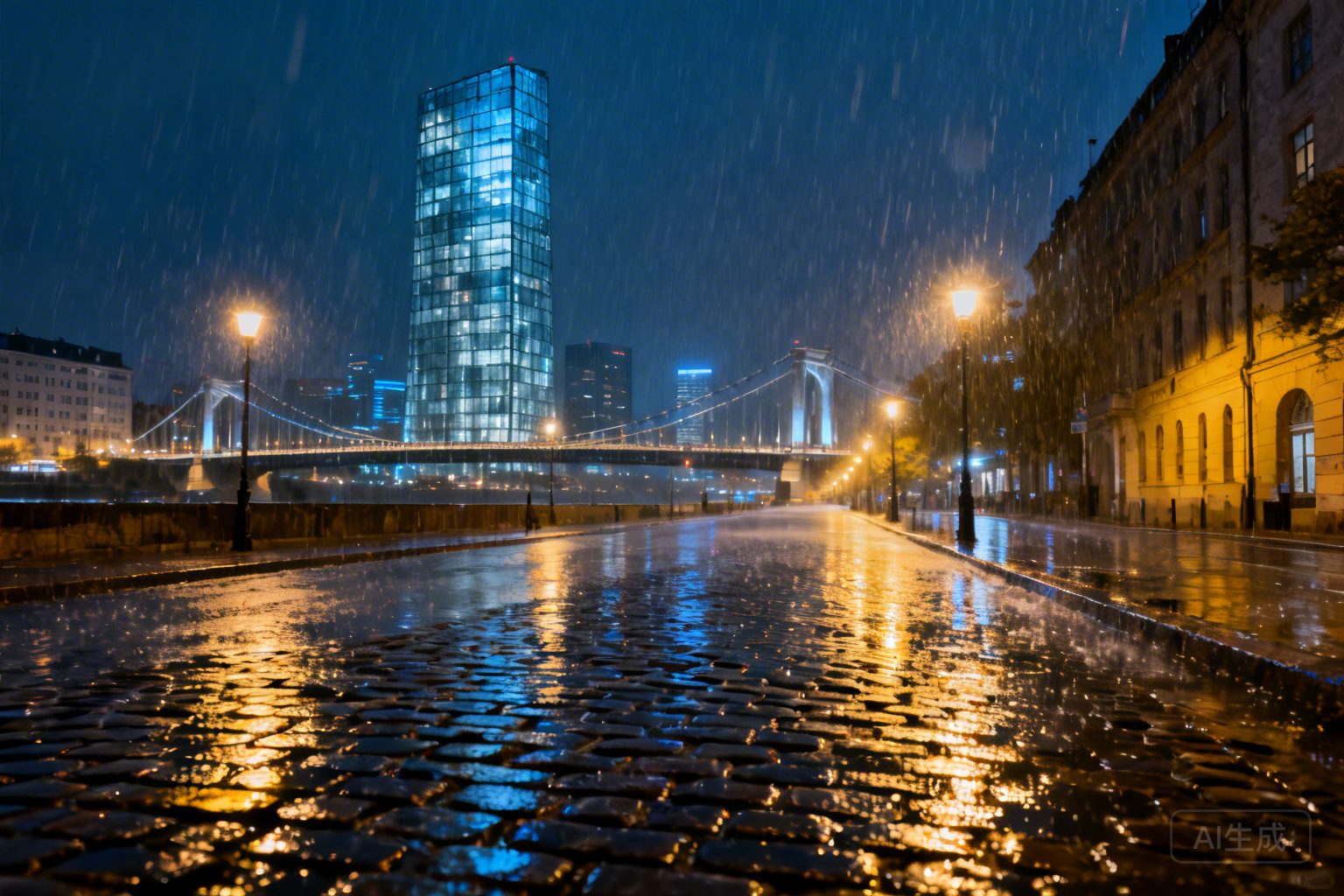
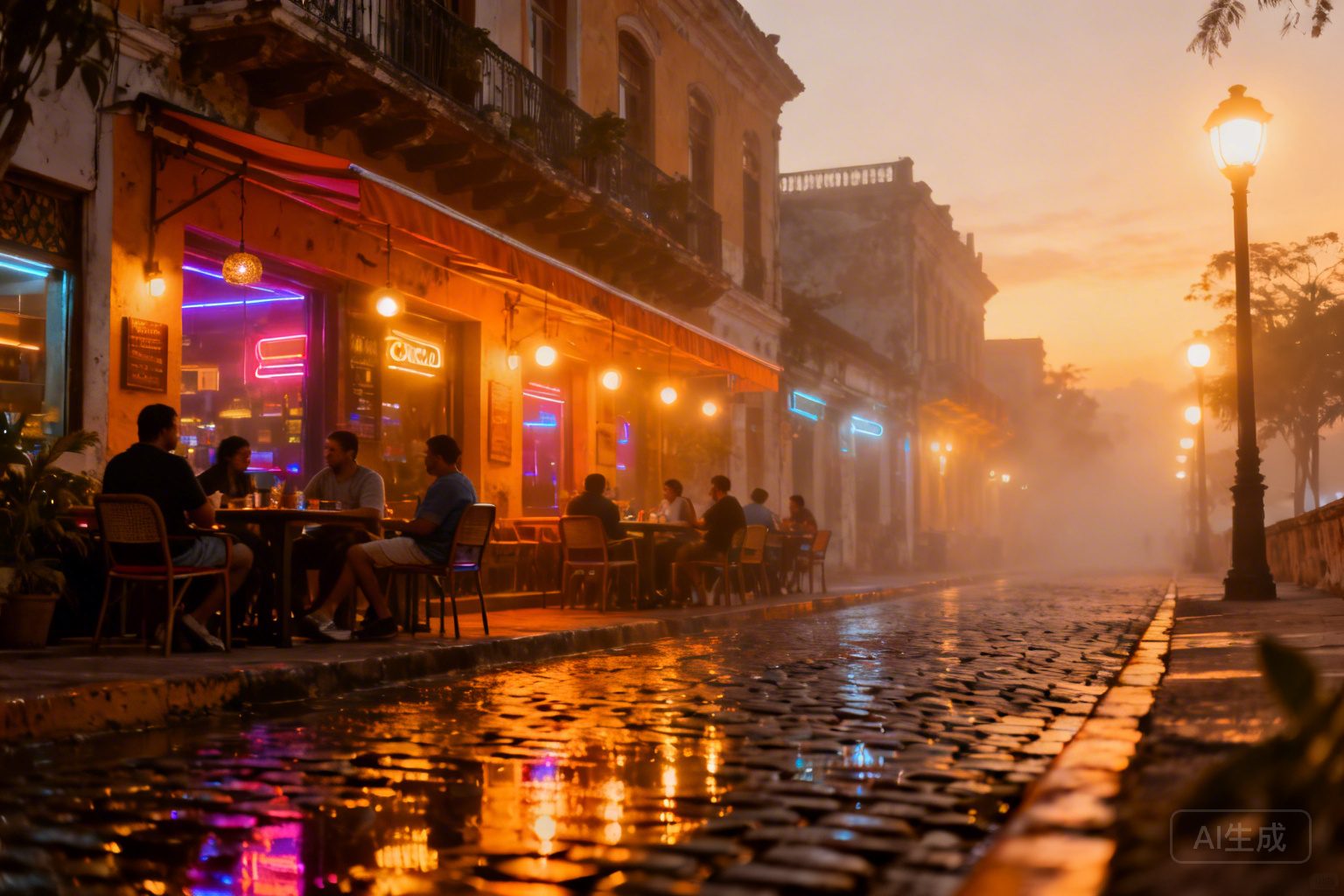
Prague does not reveal itself to the casual observer; it requires a surrender to the shadows. To arrive in the City of a Hundred Spires with the intention of merely “seeing” it is to miss the point entirely. One must inhabit it. You must move through the Vltava’s morning mist as if you are the protagonist in a spy thriller that has no ending, draped in vicuña wool and smelling of Vetiver. The cobblestones of the Staré Město are not merely pavement; they are an uneven, centuries-old braille that tells the story of kings, alchemists, and the velvet revolutionaries who drank pilsner while dismantling an empire.
The A-list experience begins long before you touch down at Václav Havel Airport. It starts with the realization that time in Prague is fluid. In the Malá Strana, the “Lesser Town” that feels anything but minor, the air is thick with the scent of damp limestone and the faint, metallic tang of iron gates that haven’t been oiled since the Habsburgs were in power. This is where the elite hide. Not in the glass-and-steel monstrosities of the suburbs, but behind the heavy, scarred oak doors of the 17th-century palaces. I watched a man there—a silent monk, perhaps, or merely a very dedicated gardener—brushing fallen linden leaves from a doorstep with a broom made of bundled twigs. He didn’t look up as a black Mercedes-Maybach purred past, its tires crunching on the basalt setts with a sound like breaking sugar cubes.
The Morning: Alchemical Awakening
To do Prague correctly, one ignores the hotel breakfast buffet. Instead, you wake in a suite at the Augustine, where the bedroom walls are thick enough to stifle a cannon blast and the windows look out onto the private Sundial Garden. The light at 7:00 AM is a bruised purple, slowly bleeding into a pale, watery gold. You walk. The Charles Bridge, usually a mosh pit of caricature artists and tourists wearing sensible sandals, is, at this hour, a deserted cathedral of stone. The statues of saints—blackened by soot and history—look down with a collective expression of divine exhaustion.
I stood by the statue of St. John of Nepomuk, the bronze worn to a brilliant, honeyed glow by millions of hopeful hands. The wind at this specific juncture, where the bridge arches over the Devil’s Stream, is sharp and smells of river silt and woodsmoke. It is a cold that bites through a silk scarf, reminding you that Central Europe is fundamentally a place of endurance.