How to Hack Your Innsbruck Trip: 10 Secret Ways to Save Thousands!
The Silver-Tongued City of the Inn
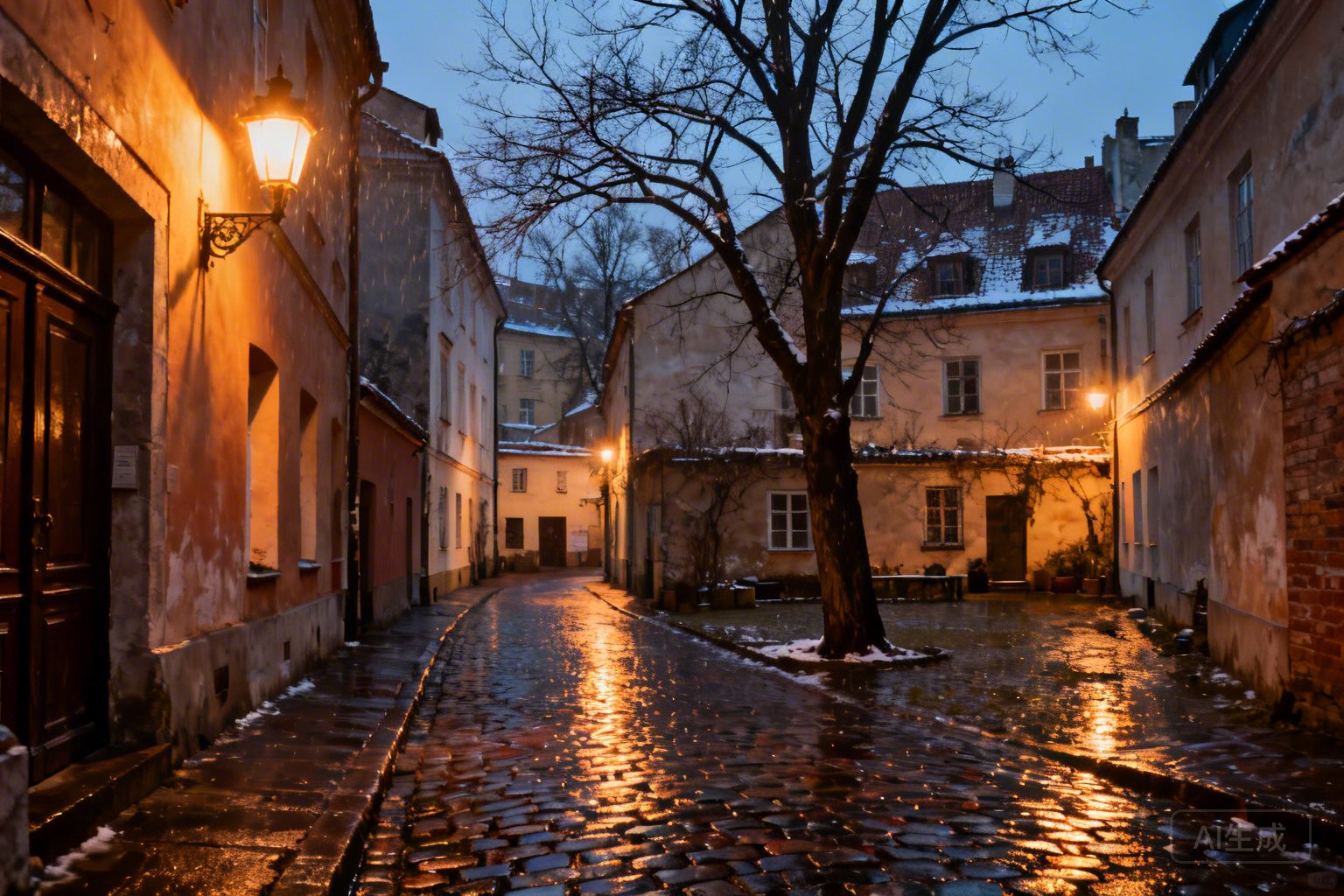
The air in Innsbruck doesn’t just blow; it tastes of crushed granite and the metallic tang of an approaching thunderstorm. Standing at the corner of Maria-Theresien-Straße, where the asphalt yields to the stubborn, uneven cobblestones of the Altstadt, the wind—the legendary *Föhn*—possesses a peculiar temperature. It is a warm, unsettling draft that smells of pine needles and damp limestone, pushing against your chest like a ghost trying to reclaim its territory. Here, the Nordkette mountains don’t merely loom; they serve as a jagged, limestone wall that pins the city against the rushing, silt-grey veins of the Inn River. It is a place where the 15th century hides in the shadows of glass-and-steel funiculars, and where the unwary traveler can easily bleed a thousand Euros before the first Glockenspiel chime of the morning.
I watched a waiter at a café near the Golden Roof—a man with a mustache so precisely waxed it looked like a structural component of his face—flick a speck of imaginary dust off a marble table. He moved with the practiced boredom of a man who has seen a million tourists gape at Emperor Maximilian’s gilded shingles. He was the Gatekeeper of the Expensive, the purveyor of the twelve-Euro slice of Sachertorte. But I wasn’t there for the curated experience. I was there to find the cracks in the facade, the places where the city’s secrets are whispered in the dialect of the locals, away from the glittering trap of the souvenir shops.
1. The Invisible Key to the City’s Pulse
The first “hack” is not a secret, yet it is ignored by those blinded by the shine of their own wealth. The Innsbruck Card is often dismissed as a tourist trinket, but in this vertical city, it is a skeleton key. Consider the Nordkette Cable Car. To ascend from the city floor to the Hafelekar—a height of 2,256 meters where the clouds wrap around your ankles like wet silk—costs nearly fifty Euros on its own.
I stood in line behind a frantic office worker, a woman in a charcoal-grey suit whose heels clicked a frantic Morse code against the pavement as she checked her watch every thirty seconds. She paid the full fare, her face a mask of calculated stress. I tapped my card and ascended. The journey is a sensory transition: the air thins, the hum of the city fades into the whistle of the wind through the cables, and suddenly, you are standing on the spine of the Alps for the price of a modest dinner. If you time your activation for the afternoon, the card stretches across two days of exploration, turning a series of expensive gates into an open door.