How to Hack Your Vancouver Trip: 10 Secret Ways to Save Thousands!
The Glass Mirage and the Cedar Ghost
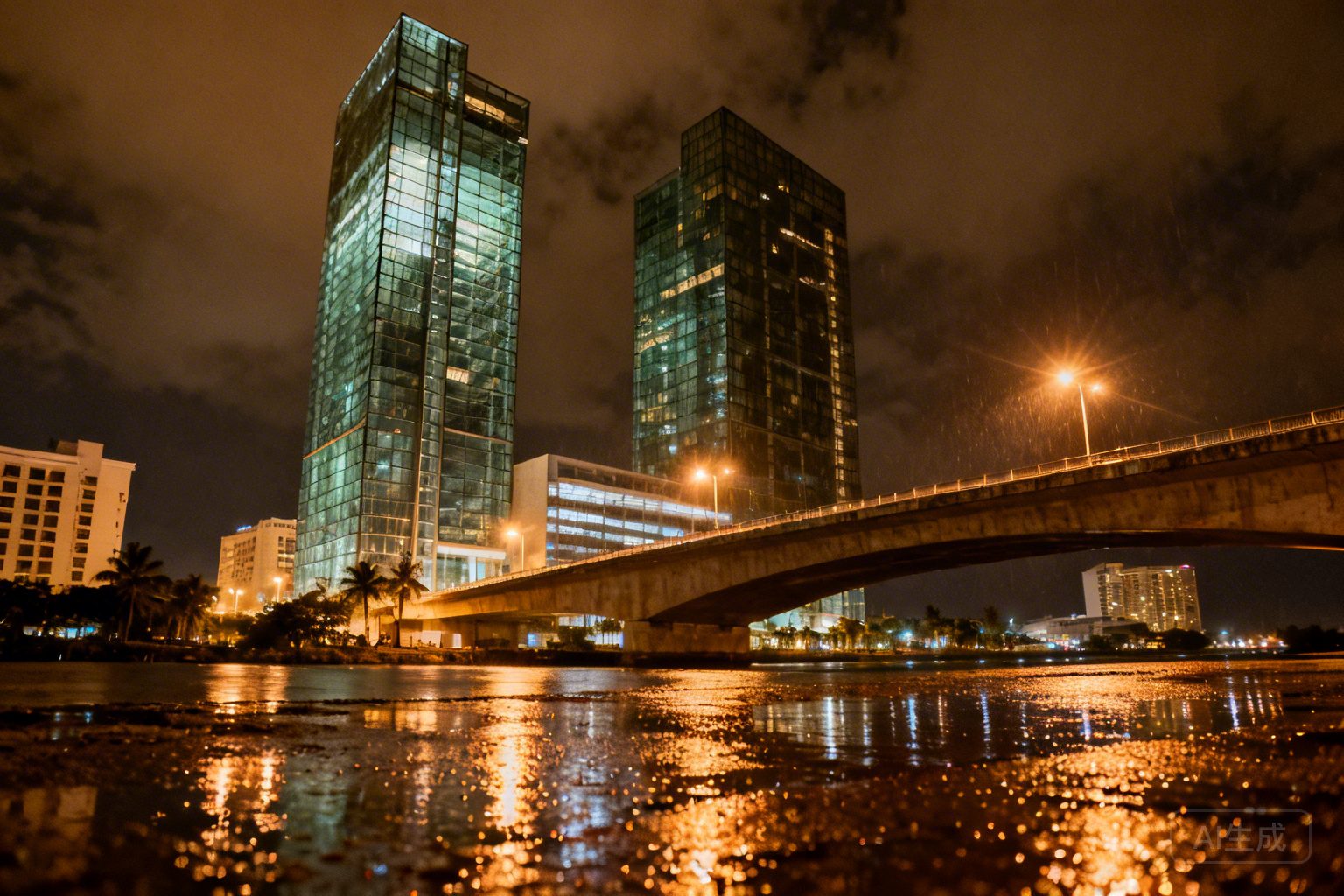
Vancouver is a city that suffers from a chronic case of aesthetic overconfidence. It sits on the edge of the world, pinned between the bruised-purple weight of the North Shore mountains and the slate-grey churning of the Salish Sea, looking for all the world like a handful of diamonds tossed into a bowl of kale. But the glitter is expensive. It is a city where a sourdough loaf costs the same as a small transistor radio in 1994, and where the air—scented with brine, exhaust, and the expensive musk of sandalwood—carries a premium tax just for the privilege of inhaling it. To arrive here is to be seduced by the glass towers that reflect the sky until the buildings themselves seem to disappear, leaving you standing in a wilderness of your own making.
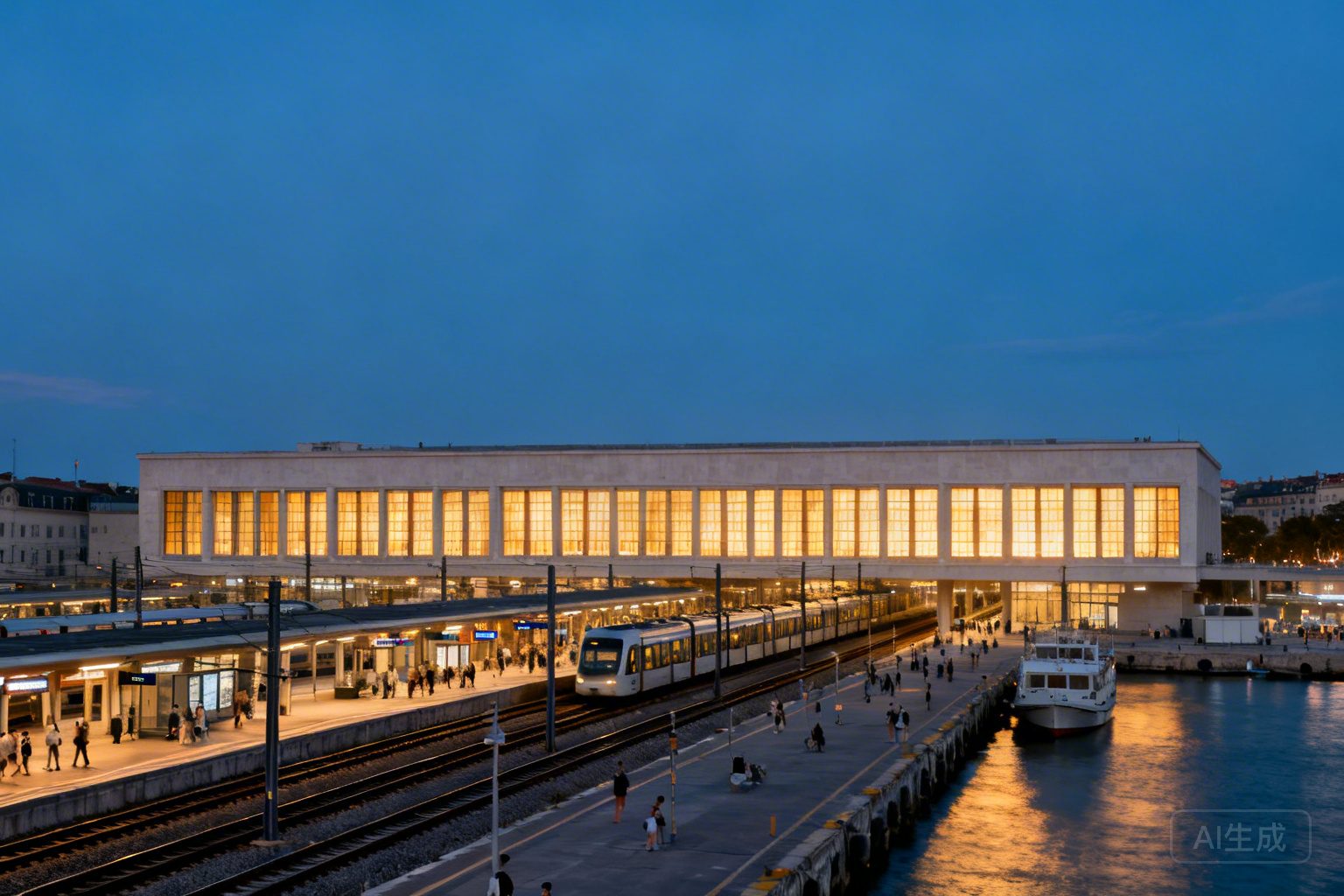
I stepped off the SkyTrain at Waterfront Station, where the air smells of old copper and the damp wool of a thousand commuters. The architecture here is a frantic dialogue between the Edwardian pride of the CPR terminal and the brutalist concrete of the looming high-rises. A man in a lime-green windbreaker, his face etched with the fine, spidery lines of a life spent on fishing boats, spat into a trash can with surgical precision. He didn’t look at the mountains. Why would he? They are always there, a silent jury presiding over a city that is constantly trying to outrun its own history.
To hack this city is not about coupon clipping; it is about a psychological realignment. It is about knowing that the most expensive views are often free if you are willing to walk until your calves ache, and that the best meals are found where the menus are printed on neon-pink paper and the waiters have no time for your existential crises. It is about finding the cracks in the glass mirage.
1. The Seabus Symphony: A Poor Man’s Yacht
Forget the private harbor cruises that cater to tourists with cashmere sweaters draped over their shoulders. Instead, follow the scent of diesel and wet rubber to the SeaBus terminal. For the price of a transit ticket—hardly more than a handful of pocket change—you board a utilitarian orange vessel that hums with the subterranean vibration of massive engines. The texture of the seats is a scratchy, industrial fabric designed to survive the apocalypse, but the windows offer a panoramic sweep of the Burrard Inlet that would cost three hundred dollars on a chartered catamaran.