How to See the Best of Queenstown in 48 Hours Without Breaking the Bank!
The Alpine Seduction: A Forty-Eight Hour Fever Dream on a Shoestring
The descent into Queenstown is not a flight; it is a flirtation with disaster. The Airbus A320 banks so steeply over the Remarkables that for a heartbeat, the serrated, snow-dusted schist of the mountain range feels close enough to drag a fingernail across. Below, Lake Wakatipu sits in its glacial trench, a sheet of hammered cobalt, cold enough to stop a heart in seconds. This is the “Adventure Capital of the World,” a title that carries the heavy scent of adrenaline and expensive Gore-Tex, yet as the tires smoke against the tarmac, the challenge isn’t the bungee jump—it’s the budget. How does one inhabit a playground for billionaires on a backpacker’s allowance? The answer lies in the periphery, in the textures of the town that cost nothing to touch.
Day One: The Cobalt Morning
At 8:00 AM, the air in Queenstown smells of toasted Manuka wood and the sharp, metallic tang of an approaching frost. I stand on the corner of Marine Parade, where the wind whips off the water with the precision of a razor blade. Here, the “Queenstown Shuffle” is in full effect: a frantic, rhythmic hopping from foot to foot performed by tourists who underestimated the southern latitude. I watch a man in a tailored charcoal overcoat—a high-stakes property developer, perhaps, or a disgraced politician—fumble with a gold-leafed lighter that refuses to spark in the gale. Beside him, a seasonal worker from Montpellier, her dreadlocks tucked into a moth-eaten beanie, rolls a cigarette with frozen fingers, her movements fluid and indifferent to the cold. This is the social geography of the wharf: wealth and wanderlust colliding over a shared need for nicotine.
To see the best of this place without emptying your pockets, you must ignore the $200 gondola-and-luge packages. Instead, head toward the Tiki Trail. The entrance is tucked behind the base of the Skyline terminal, a path of tangled beech roots and damp, loamy earth. The climb is a brutal verticality that demands payment in sweat. Halfway up, the sounds of the town—the distant thrum of a jetboat, the yelp of a startled tourist—dissolve into the silence of the bush. The silver ferns (ponga) lean over the track like curled skeletal fingers, their undersides glowing with an ethereal, chalky light.
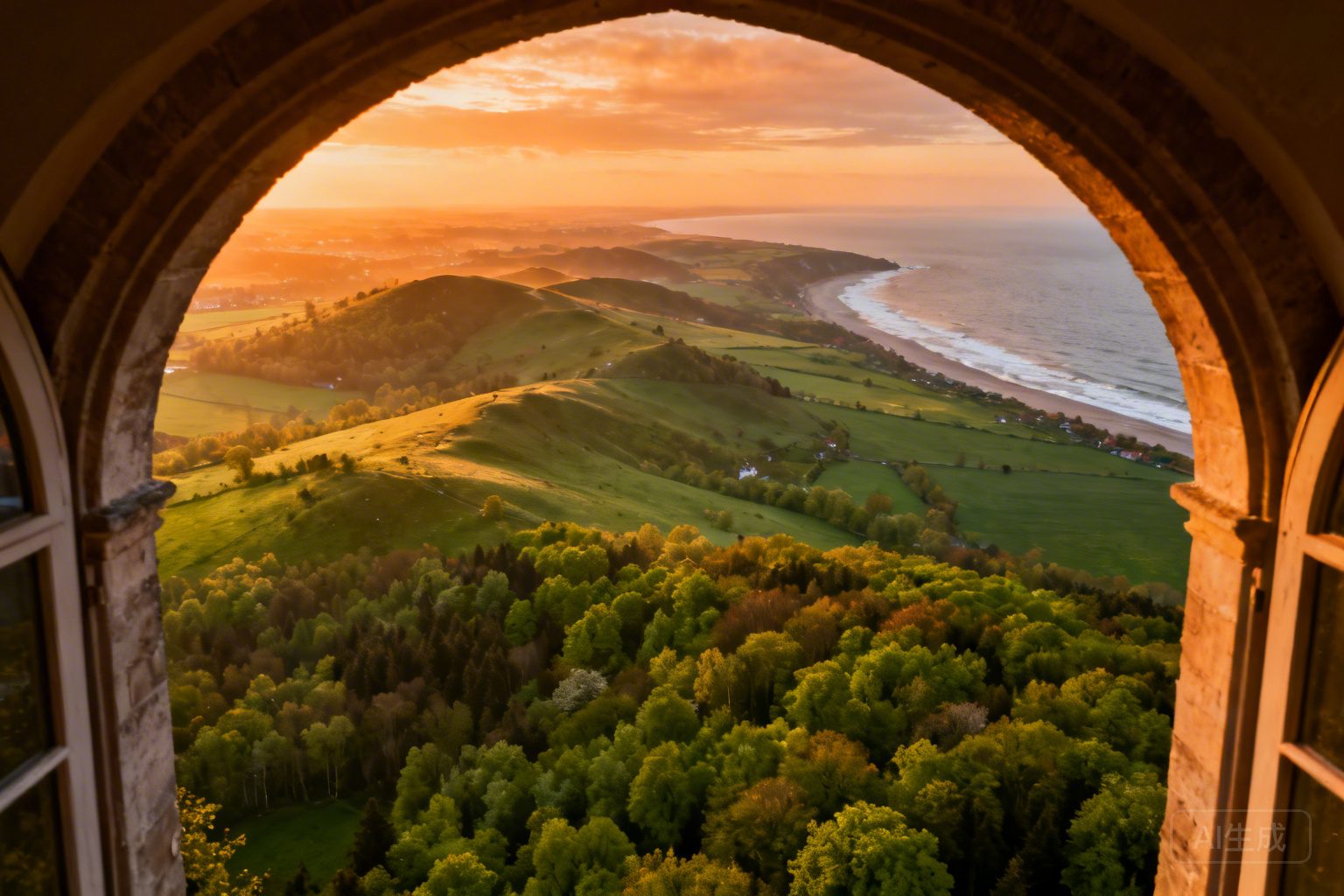
Local legend speaks of the lake’s pulse. The water rises and falls roughly twelve centimeters every few minutes, a phenomenon known as a seiche. But the Māori tell a different story: it is the heartbeat of Matau, a giant who was burned to death in his sleep by a brave youth seeking to rescue his beloved. His heart remains at the bottom of the lake, still beating, causing the water to heave. Standing on a rocky outcrop overlooking the basin, you can feel it—a rhythmic, primordial thrumming that vibrates in your marrow. The view from the summit, accessible for the cost of a liter of water and two hours of exertion, offers the same panoramic majesty as the VIP viewing decks, minus the $50 ticket and the smell of overpriced sliders.