How to See the Best of Saint Petersburg in 48 Hours Without Breaking the Bank!
The Granite Ghost: Forty-Eight Hours in the Venice of the North
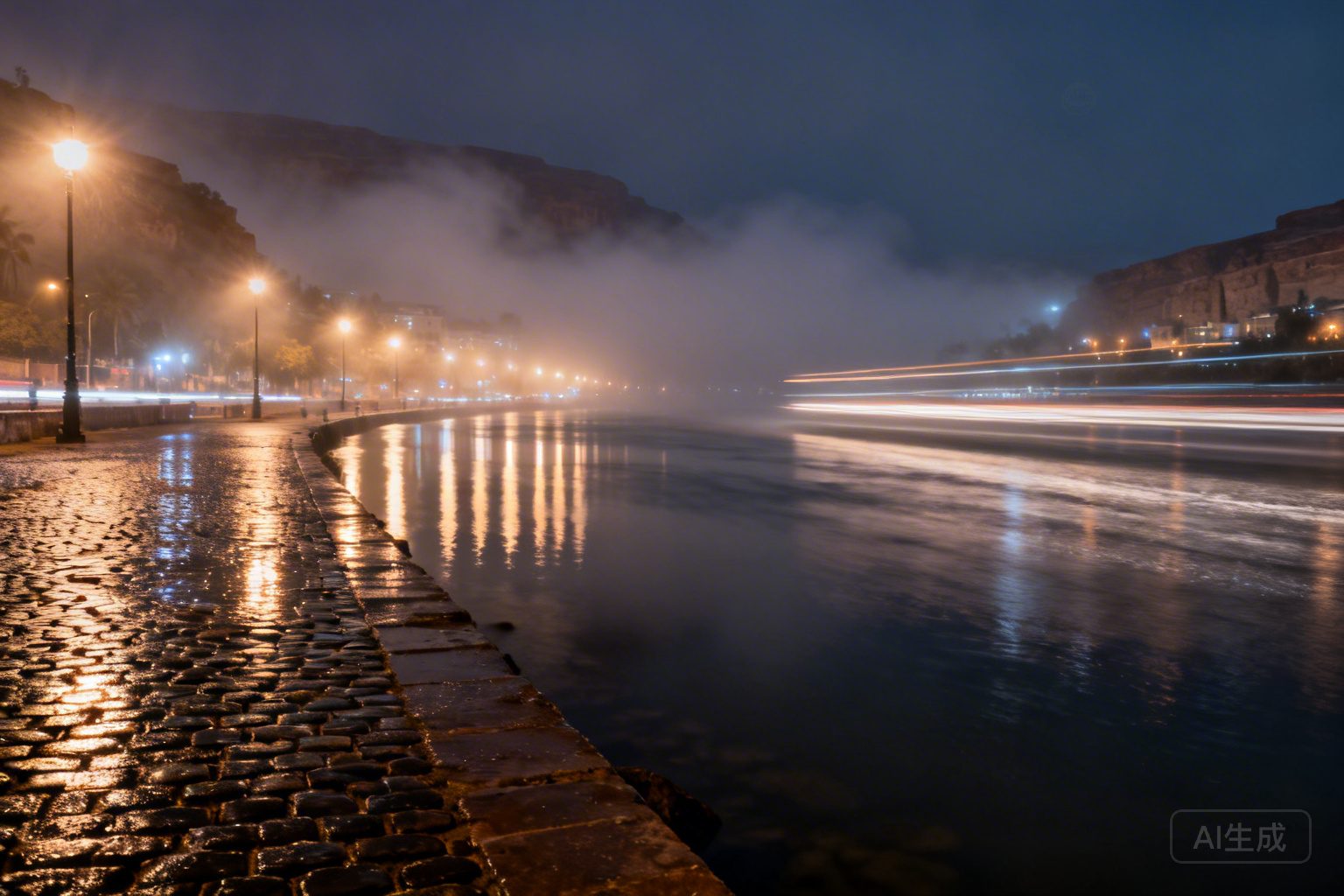
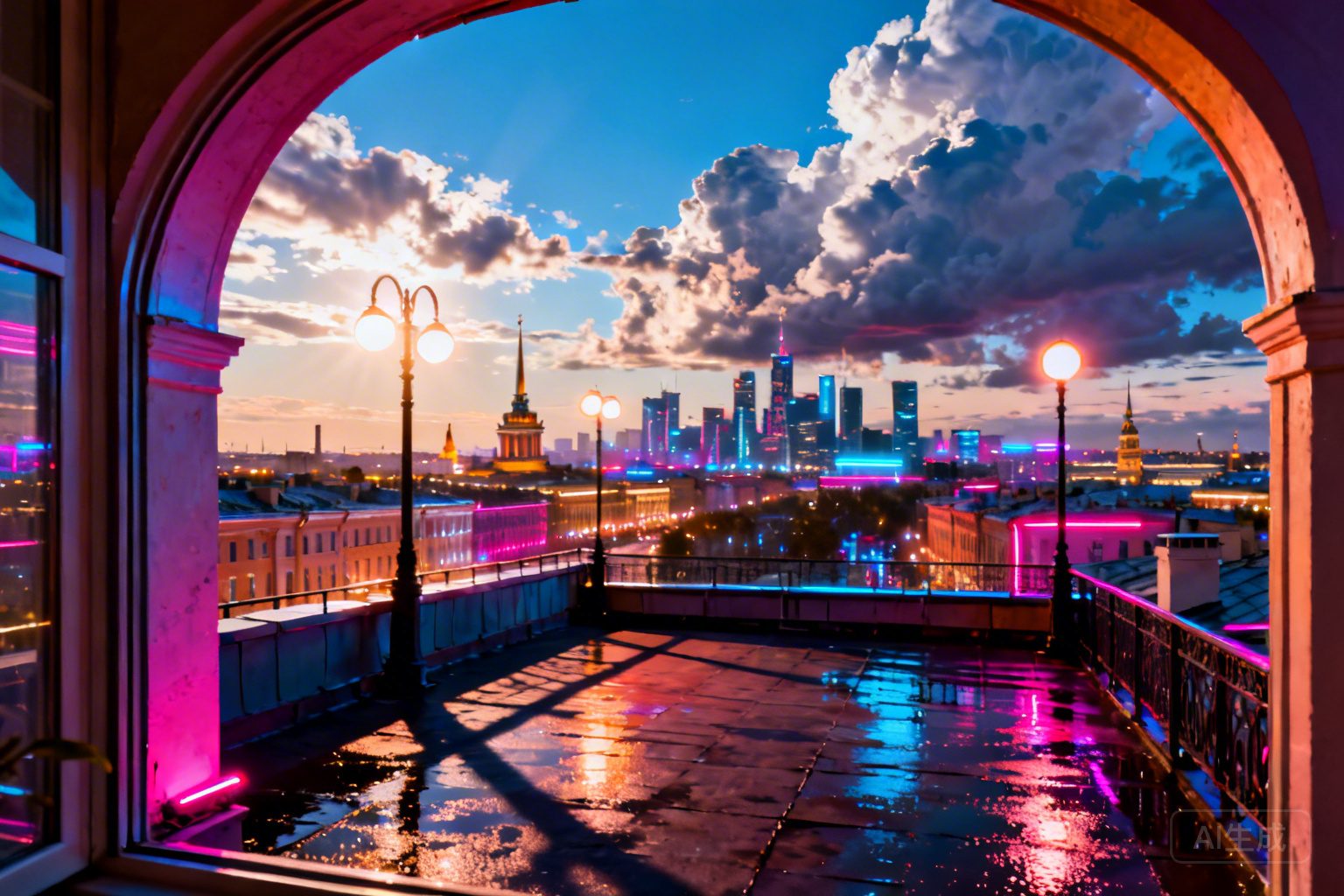
Saint Petersburg is not a city of soft edges. It is a metropolis of petrified ambition, a swamp transmuted into a labyrinth of imperial stone by the sheer, terrifying will of Peter the Great. It is a city that smells of damp limestone, diesel fumes, and the sharp, metallic tang of the Neva River—a body of water so deep and fast-moving it feels less like a river and more like a liquid highway for ghosts. To arrive here is to be humbled by scale. The buildings aren’t merely large; they are over-engineered monuments to an ego that died three centuries ago but refused to vacate the premises.
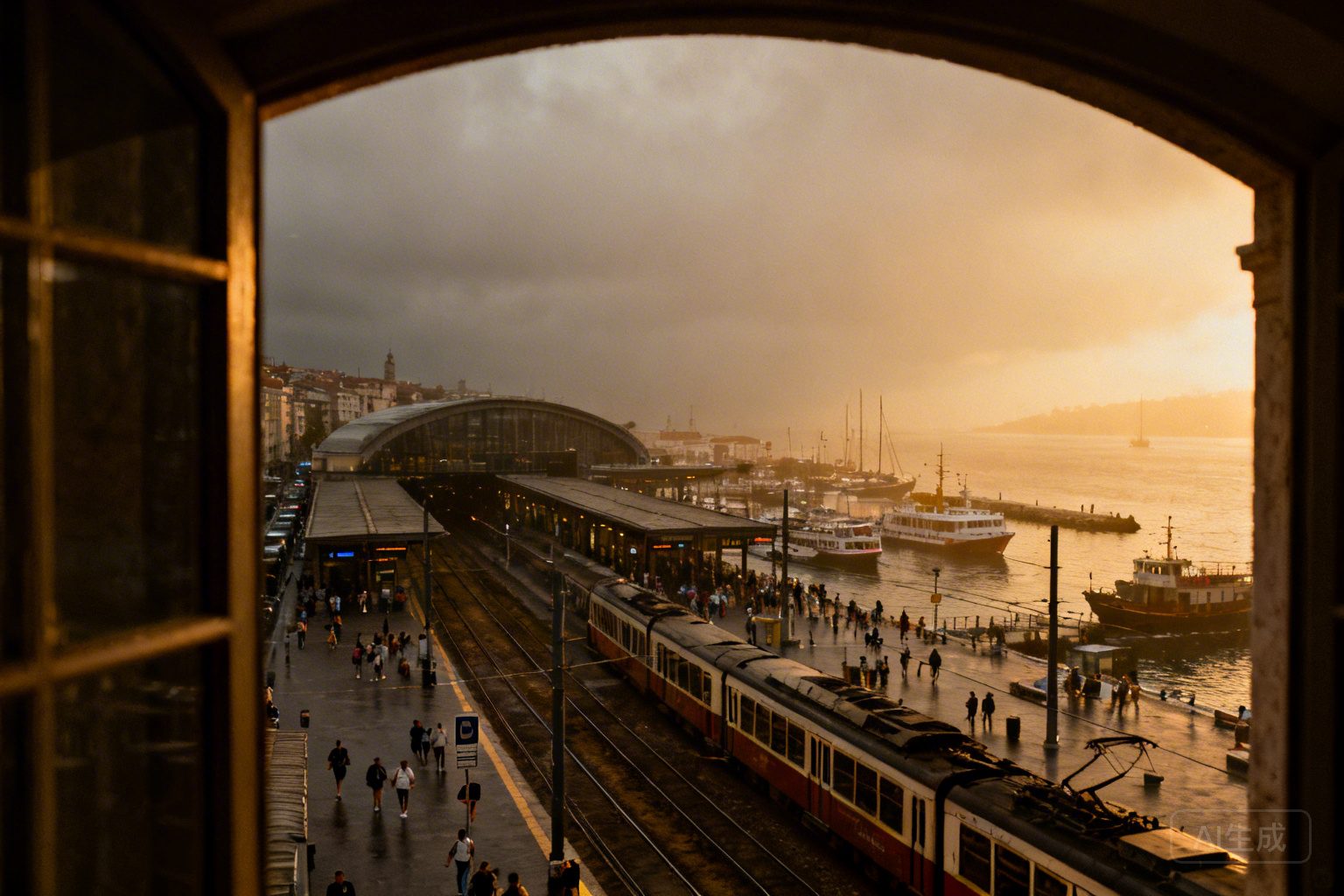
You arrive at Moskovsky Station, your boots clattering against the salt-grimed tiles. The air is a physical presence, a humid shroud that clings to your collar. To see this city without hemorrhaging rubles requires a specific kind of internal compass—one that favors the shadows over the spotlights. You do not need the gilded carriage tours or the five-star breakfast buffets served in rooms that feel like jewel boxes. You need a pair of sturdy shoes and the willingness to look at the peeling paint of a communal apartment door with the same reverence you’d give a Titian.
Day One: The Ochre and the Iron
08:00. The morning light in Saint Petersburg is a fickle thing, often filtered through a sky the color of a bruised oyster. I begin on Nevsky Prospekt, the city’s main artery. Here, the pavement is a mosaic of frantic office workers in razor-sharp wool coats, their faces set in a permanent grimace of subterranean determination. They move with a rhythmic, percussive clip-clop, ignoring the majestic decay that surrounds them. To your left, a woman in a faux-fur stole sells pyshki—the local variety of doughnut—out of a window that hasn’t been cleaned since the Khrushchev era. The smell is intoxicating: hot oil, powdered sugar, and yeast.
For the price of a few coins, you receive a brown paper bag turning translucent with grease. These are the fuel of the proletariat. They are hot enough to blister the tongue, sweet enough to induce a temporary delirium. This is your first lesson in the economy of the Neva: the best things are often found in the smallest cracks.