How to See the Best of Split in 48 Hours Without Breaking the Bank!
The Limestone Labyrinth: 48 Hours in the Living Ruin of Split
The dawn over the Adriatic is not a polite affair; it arrives as a violent, violet intrusion, spilling over the jagged silhouette of the Mosor Mountains and bleeding into the harbor like ink in a basin of milk. I am standing on the Riva, the city’s wide, palm-fringed catwalk, where the air tastes of salt, high-octane diesel from the departing car ferries, and the faint, sweet decay of drying seaweed. The stones beneath my boots are not merely paved; they are polished to a mirror-sheen by two millennia of sandals, sabots, and stilettos. This is Split, a city that does not merely house history but breathes it through porous, calcified lungs.
To the uninitiated, Split is a transit hub, a mere waiting room for the glitzy archipelagos of Hvar or Vis. They are wrong. To see this city properly, specifically when your wallet lacks the weight of a local oligarch’s, requires a willingness to submerge yourself in the “pomalo” lifestyle—a Dalmatian philosophy that translates roughly to “slowly,” or more accurately, “not in this lifetime.” You do not need a five-star suite when the city itself is a palace. Literally.
Hour 0-6: The Emperor’s Breakfast
The core of Split is the Palace of Diocletian, a retirement home built for a Roman Emperor who had the good sense to quit while he was ahead. But do not expect a cordoned-off museum. This is a living, breathing squat. Laundry lines sag under the weight of wet denim strung between Corinthian columns; satellite dishes cling like barnacles to medieval stone; and the smell of frying onions wafts from the windows of apartments built into the very walls where Roman guards once paced.
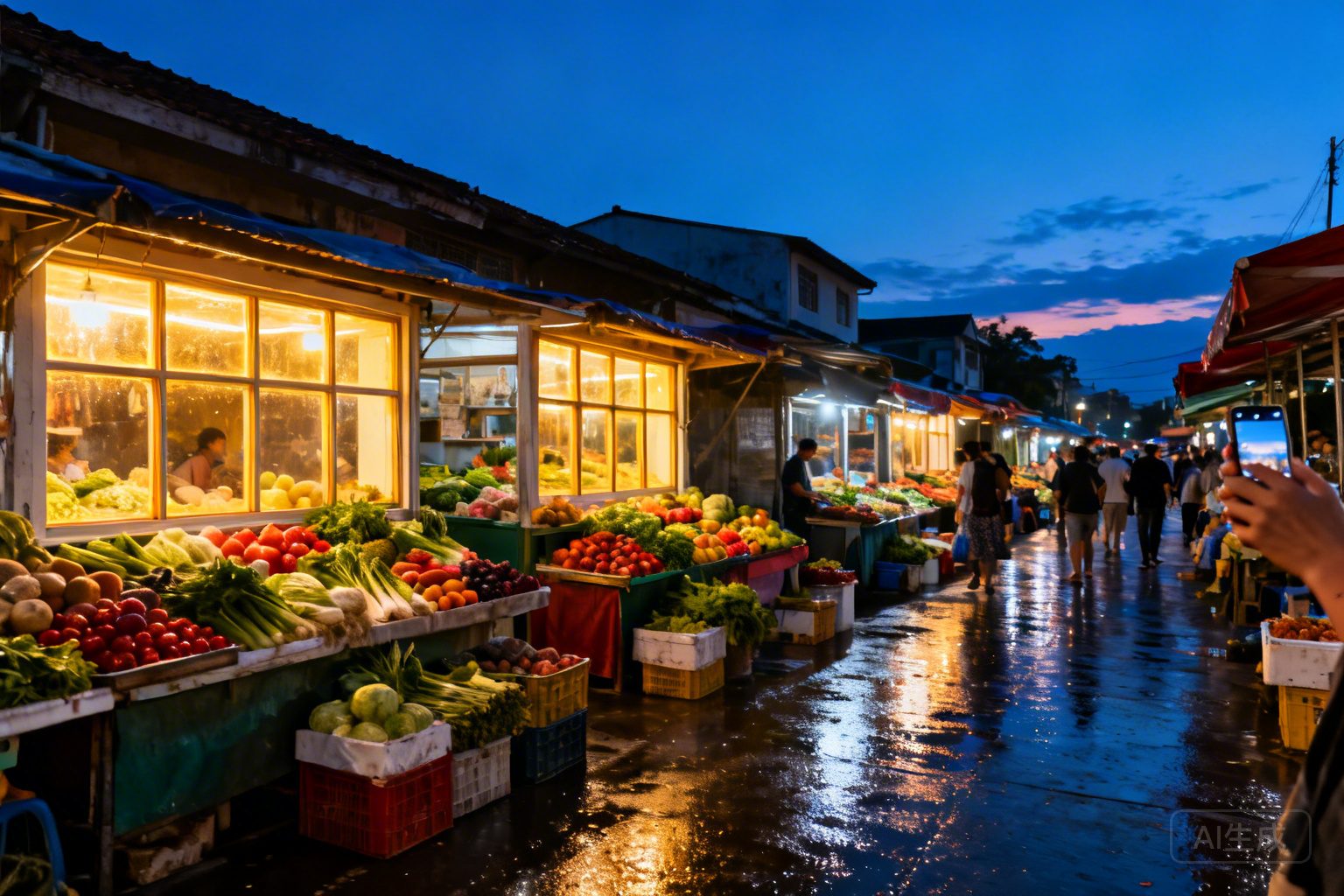
I find my way to the Pazar, the green market flanking the palace’s Silver Gate. Here, the air is a riot of smells: the peppery bite of wild arugula, the medicinal tang of sage honey, and the earthy, fungal musk of truffles from Istria. The vendors are mostly formidable women with skin the texture of expensive, sun-cured leather, wearing floral aprons that have survived the collapse of at least two political regimes.