Hungry? Here Are the 10 Absolute Best Places to Eat in Chicago!
The Iron and the Umami: A Gastronomic Pilgrimage Through Chicago
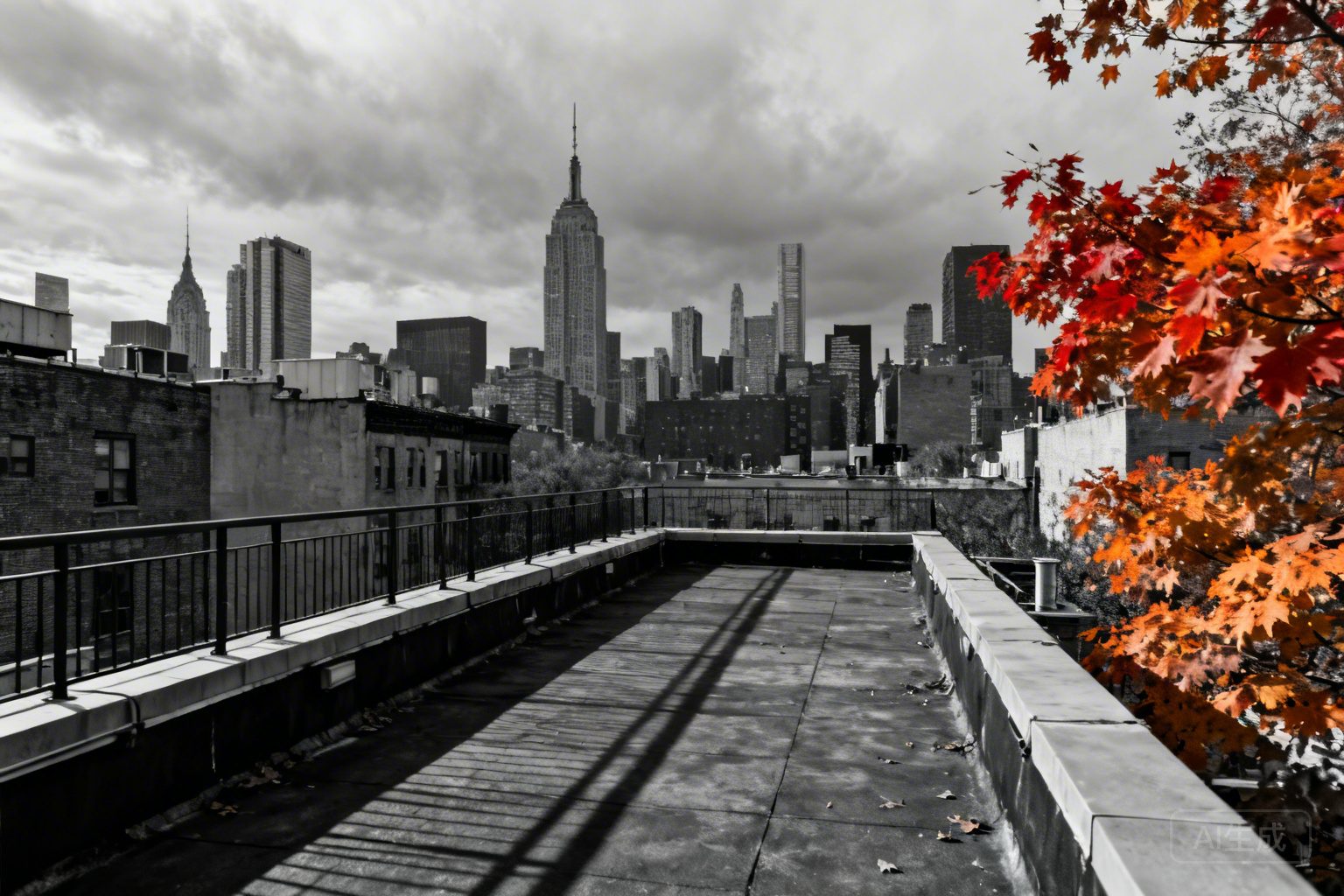
Chicago is not a city of subtleties; it is a city of percussion. It is the rhythmic, metallic clatter of the ‘L’ tracks overhead, vibrating through the soles of your boots like a restless heartbeat. It is the architectural equivalent of a heavy-weight fighter—broad-shouldered, unapologetic, built of limestone and soot. But beneath the steel-gray canopy of the Loop and the brick-heavy resilience of the neighborhoods, there is a scent that cuts through the frigid, ozone-heavy wind off Lake Michigan. It is the smell of rendered fat, charred oak, and the sharp, vinegar-laced rebellion of a giardiniera. To eat in Chicago is to consume the history of the industrial world, one grease-stained paper bag at a time.
I stood at the corner of Wacker and Michigan, the wind—the “Hawk”—tugging at my lapels with fingers of ice. The light here has a specific quality: a diffused, cinematic silver that bounces off the river and turns the skyscrapers into monoliths of glass. A frantic office worker, her heels clicking a frantic morse code against the salted pavement, clutched a lukewarm latte like a talisman against the morning’s bite. She is the ghost of the modern city, but I was looking for its soul. And in Chicago, the soul is always in the kitchen.
1. The Ritual of the Blood and the Seed: Kasama
We begin in Ukrainian Village, where the gentrification is still fighting a losing battle against the stubborn, peeling paint of 1920s three-flats. Kasama is not merely a restaurant; it is a bridge. Inside, the air is thick with the scent of longanisa and calamansi. The line snakes out the door, a demographic tapestry of the city: silver-haired Filipino grandmothers in puffer coats and tattooed baristas with beanies perched precariously atop their heads.
The Filipino breakfast here is a revelation of texture. The garlic rice is toasted to a precise, toothsome crunch, the grains glistening like tiny pearls of starch. Then comes the longanisa—sweet, savory, and snapping under the fork with a defiant pop. It is the juxtaposition of the familiar and the foreign that defines this city. As I ate, a silent monk in saffron robes sat three tables over, his eyes closed, savoring a huckleberry basque cake with a deliberate, rhythmic slow-motion that made the rest of the bustling room seem frantic. Here, the flavors of Manila are filtered through the grit of the Midwest, resulting in something entirely new, yet hauntingly ancient.