Hungry? Here Are the 10 Absolute Best Places to Eat in Male!
The Salt-Stained Palimpsest: A Fever Dream of Male’s Culinary Soul
The island of Male does not breathe so much as it pants. It is a two-square-kilometer pressure cooker of coral stone and sun-bleached concrete, anchored in the impossible cerulean of the Indian Ocean, a city that has no business being as dense as it is. Here, the air is a thick soup of diesel fumes, desiccated sea salt, and the ghost-scent of ten million smoked tunas. To walk these streets is to engage in a high-stakes ballet with swarms of blue-smoke-coughing Vespas and delivery trucks that miss your kneecaps by the width of a prayer. But we are not here for the architecture of claustrophobia; we are here because the belly of this city rumbles with a history that predates the luxury resorts by a thousand years. We are here to eat the story of the Maldives.
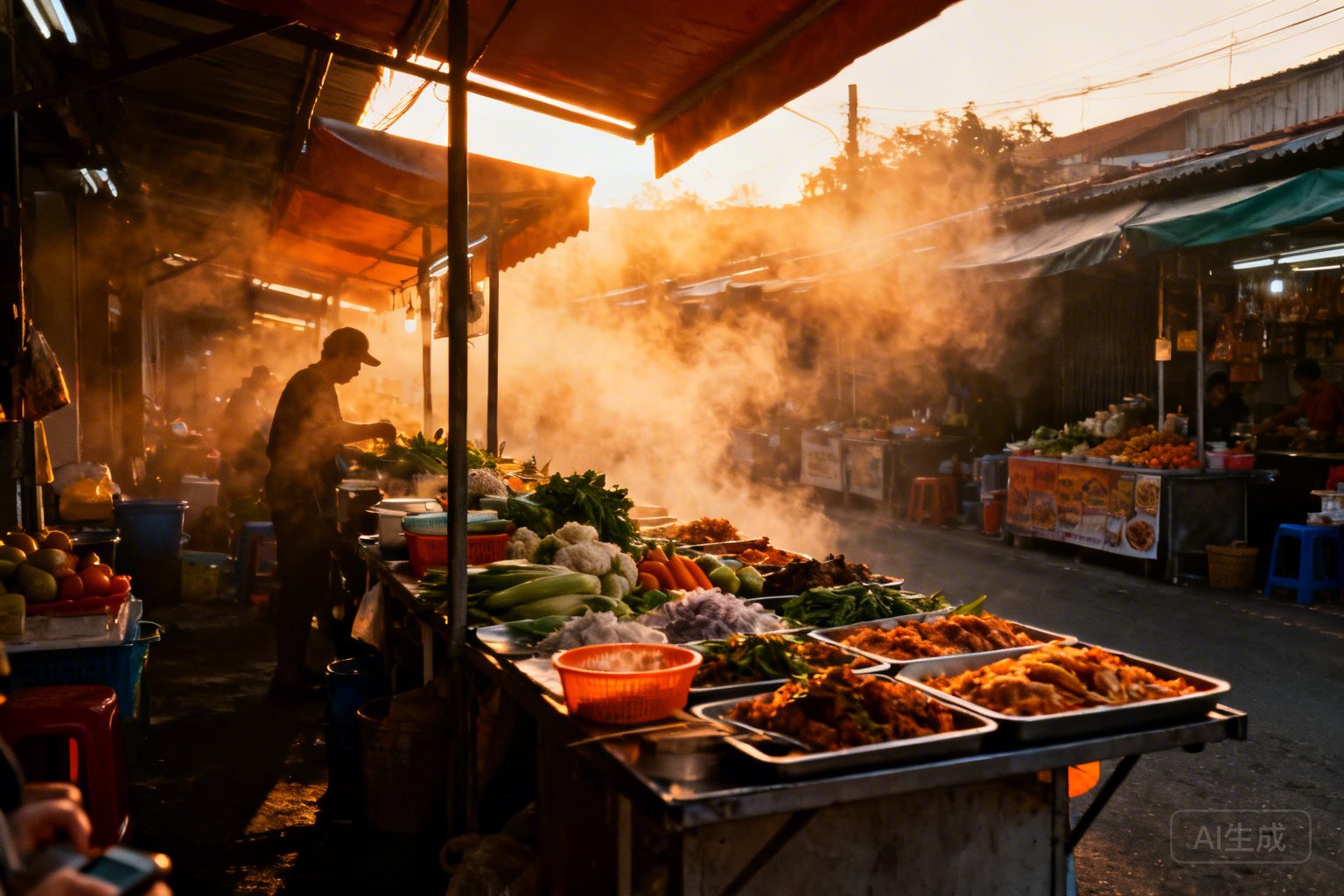
The light at 6:00 AM is the color of a bruised nectarine. I stand at the edge of the North Harbor, where the dhonis—those ancient-modern wooden vessels with their high, curving prows—thump rhythmically against the tire-lined pier. The water here is a swirling kaleidoscope of petrol rainbows and silver minnows. The fish market is waking up, a brutalist cathedral of gore and commerce. Men with calves like knotted teak carry yellowfin tuna the size of torpedoes on their shoulders, the silver skin of the fish slick with the last cold dregs of the deep ocean. This is where the appetite of the city begins.
1. The Breakfast of Shadows: Seagull Café House
To find the Seagull, you must navigate the labyrinthine shadows of Fareedhee Magu. It is an institution built around a massive, ancient flame tree that burst through the floorboards decades ago and now serves as the building’s living spine. The paint on the garden gate is peeling in large, brittle flakes, revealing layers of pale turquoise and sandy ochre like the rings of a tree. I sit on the upper terrace, where the wind smells of damp earth and coming rain.
I order the Mas-huni. It is the definitive Maldivian breakfast, a deceptively simple mound of finely minced tuna, grated coconut, chili, and lime. But here, the chili isn’t just heat; it’s a bright, citrusy sting that wakes up the stagnant blood. The roshi—flatbread—is paper-thin and translucent with ghee, warm enough to melt the humidity on your fingertips. I watch a frantic office worker at the next table, his tie tucked into his shirt pocket to avoid the lime juice, inhaling his meal with a rhythmic, mechanical efficiency. He doesn’t look at the tree. He doesn’t look at the sky. He is fueled by the salt.