Hungry? Here Are the 10 Absolute Best Places to Eat in Marrakesh!
The Ochre Labyrinth and the Calculus of Salt
Marrakesh does not invite you in; it colonizes your senses until your previous life feels like a pale, desaturated dream. To arrive in the Medina at dusk is to enter a centrifuge of dust, diesel fumes, and the high-frequency vibration of a million overlapping conversations. The air is a physical weight, thick with the smell of scorched charcoal and the sweetness of orange blossoms fighting a losing battle against the metallic tang of donkey urine. Here, hunger is not a biological clock; it is a navigational tool. You don’t look for a restaurant; you follow the scent of fat rendered over ancient wood, a trail that leads through alleys so narrow your shoulders brush against the calcified plaster of centuries-old riads.
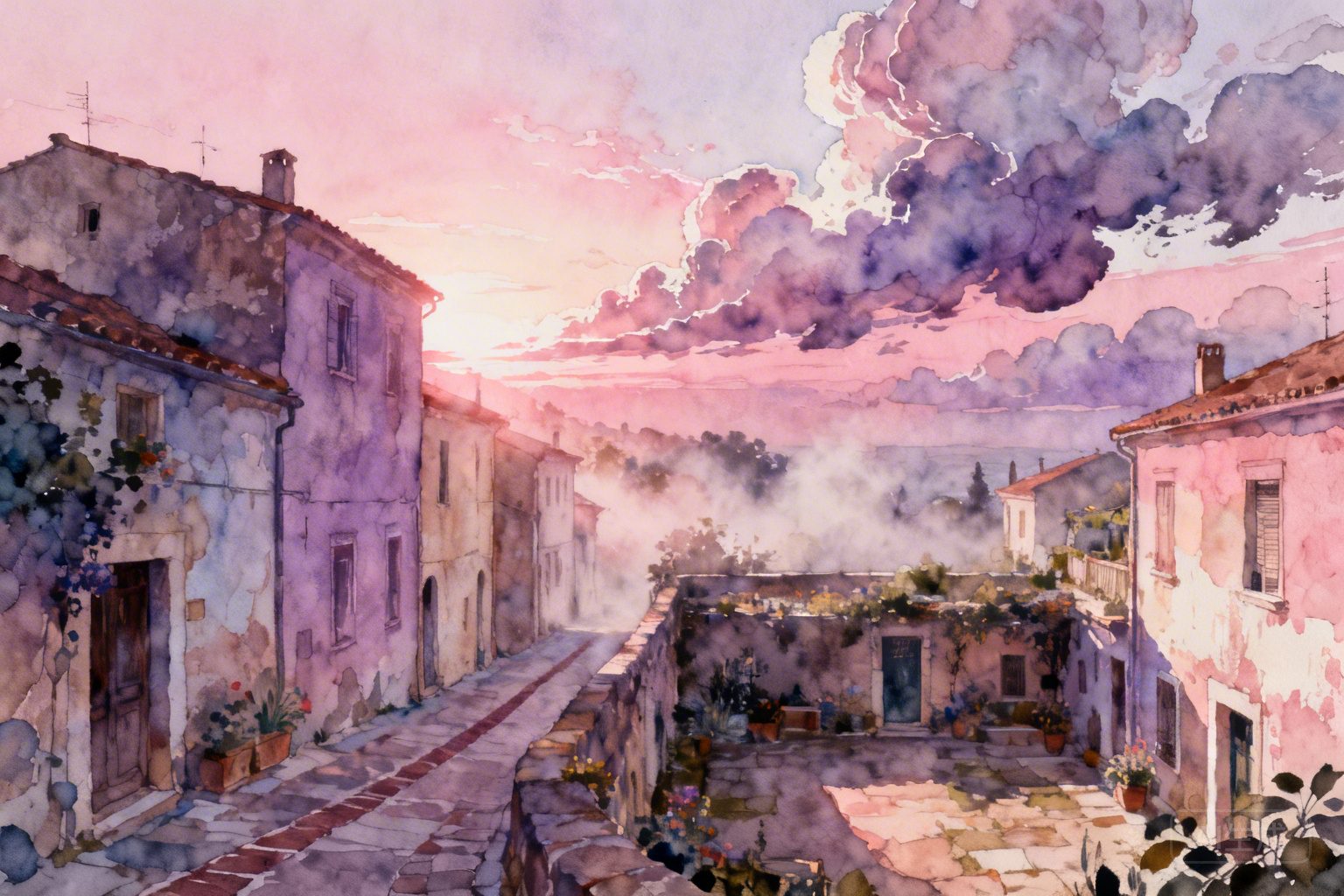
The pink walls of the city—washed in a hue that shifts from a bruised mauve at dawn to a violent, terracotta orange by mid-afternoon—are peeling in layers, revealing the sedimentary history of a kingdom. At the corner of Rue de la Riad Zitoun el Kdim, a man with skin the texture of a sun-dried fig leans against a motorbike. He watches the frantic office workers in their crisp, polyester shirts dodging carts of mint. He knows what they are chasing. He knows that in this city, the best secrets are hidden behind doors that look like they haven’t been opened since the Saadian dynasty.
1. The Alchemist of Lamb: Mechoui Alley
Just off the northern edge of the Jemaa el-Fnaa, tucked away like a shameful secret, lies a subterranean world of smoke. This is Mechoui Alley. Here, the air is opaque. You find the stall of Hajj Mustapha, a man who moves with the heavy, deliberate grace of a retired wrestler. The paint on his wooden counter is worn down to the grain by the friction of a thousand greasy hands. Mustapha doesn’t use a menu. He doesn’t need to.
The lamb is cooked in deep, vertical clay pits—furnas—buried beneath the floorboards. It is a slow, subterranean alchemy. When the meat emerges, it is so tender it seems to lack a skeletal structure, falling away from the bone at the mere suggestion of a fork. It is served on a square of brown butcher paper with a small pile of cumin and rock salt. You eat with your hands. The fat is rendered to a gelatinous nectar that coats your palate, a rich, primal experience that makes the modern world feel embarrassingly delicate. The brusque waiters, clad in aprons stained with the epic poems of a week’s service, drop rounds of crusty khobz bread onto the table with the rhythmic thud of a heartbeat.