Instagram Gold: 15 Most Photo-Worthy Spots in Antigua!
The Gilded Dust of the Panchoy Valley
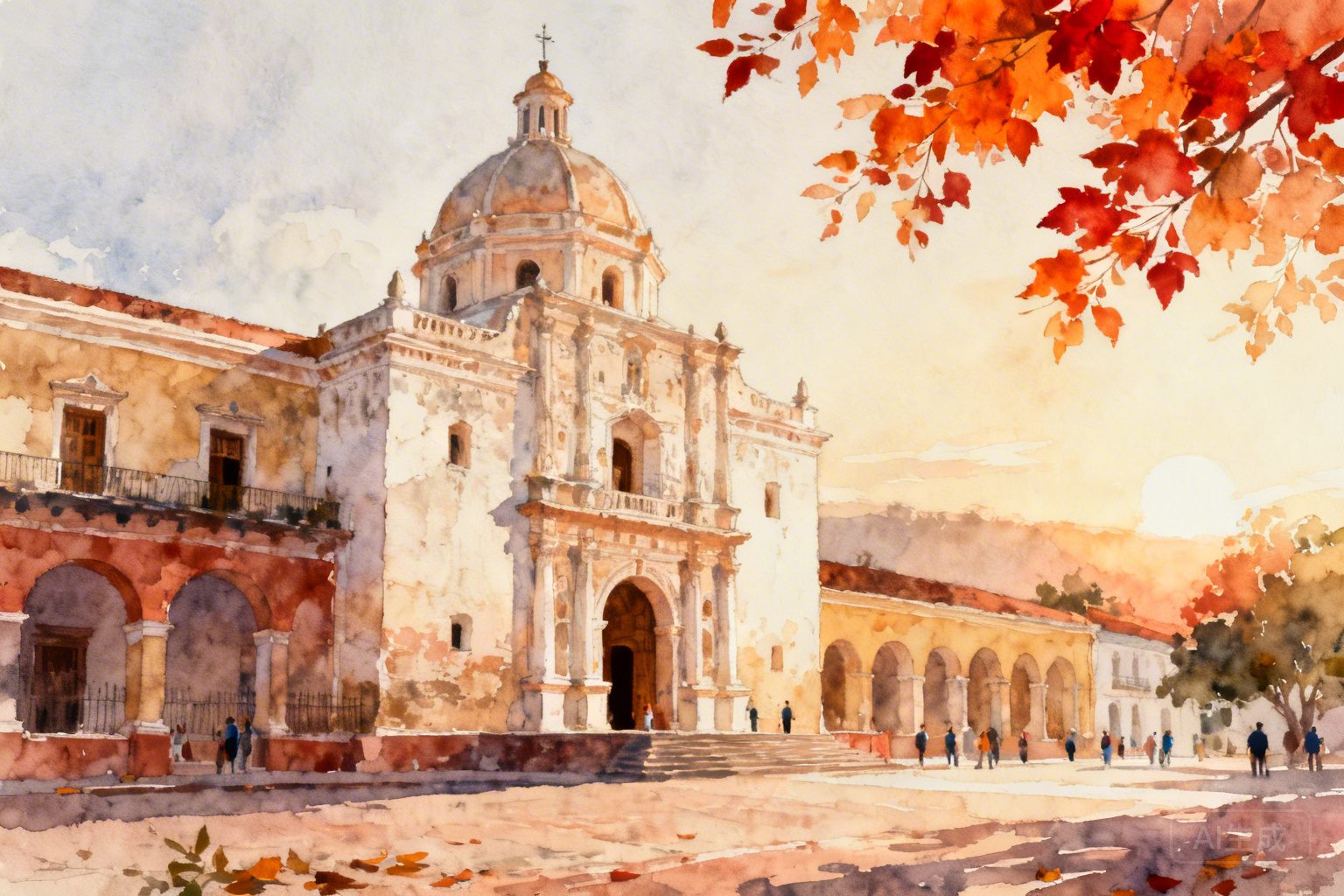
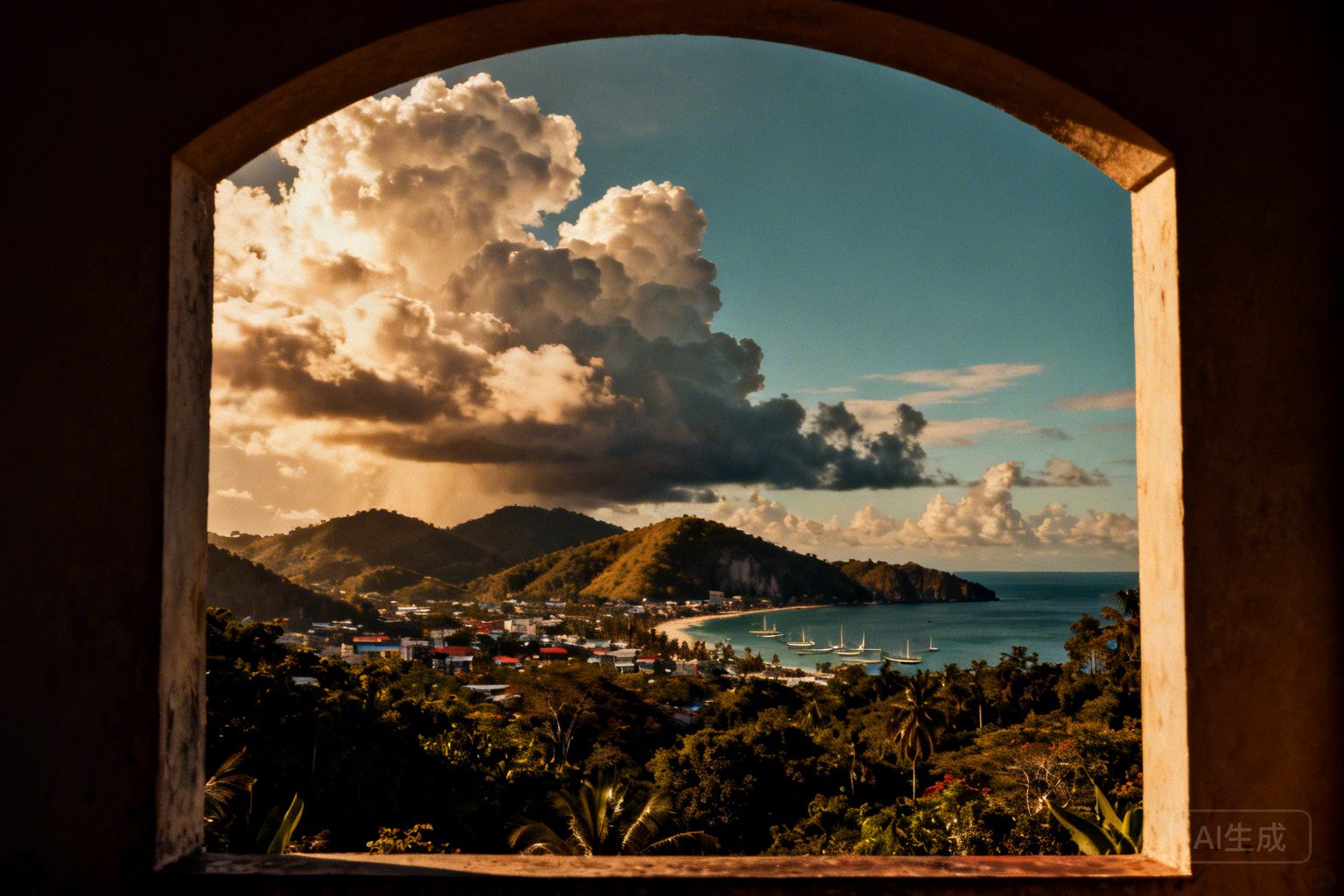
Antigua Guatemala does not simply exist; it exhales. It is a city of soft masonry and hard light, a place where the air tastes faintly of woodsmoke and the ghosts of Spanish conquistadors. To arrive here is to enter a curated dreamscape of terracotta and cobalt, where every corner seems strategically placed to satisfy the modern hunger for the “aesthetic.” But beneath the surface of the Instagram-ready façade lies a city of jagged edges and deep, indigo shadows. The sunlight here doesn’t just fall; it heavy-loads itself onto the crumbled stone of 16th-century cathedrals, turning the dust into something that looks, through a lens, like powdered gold.
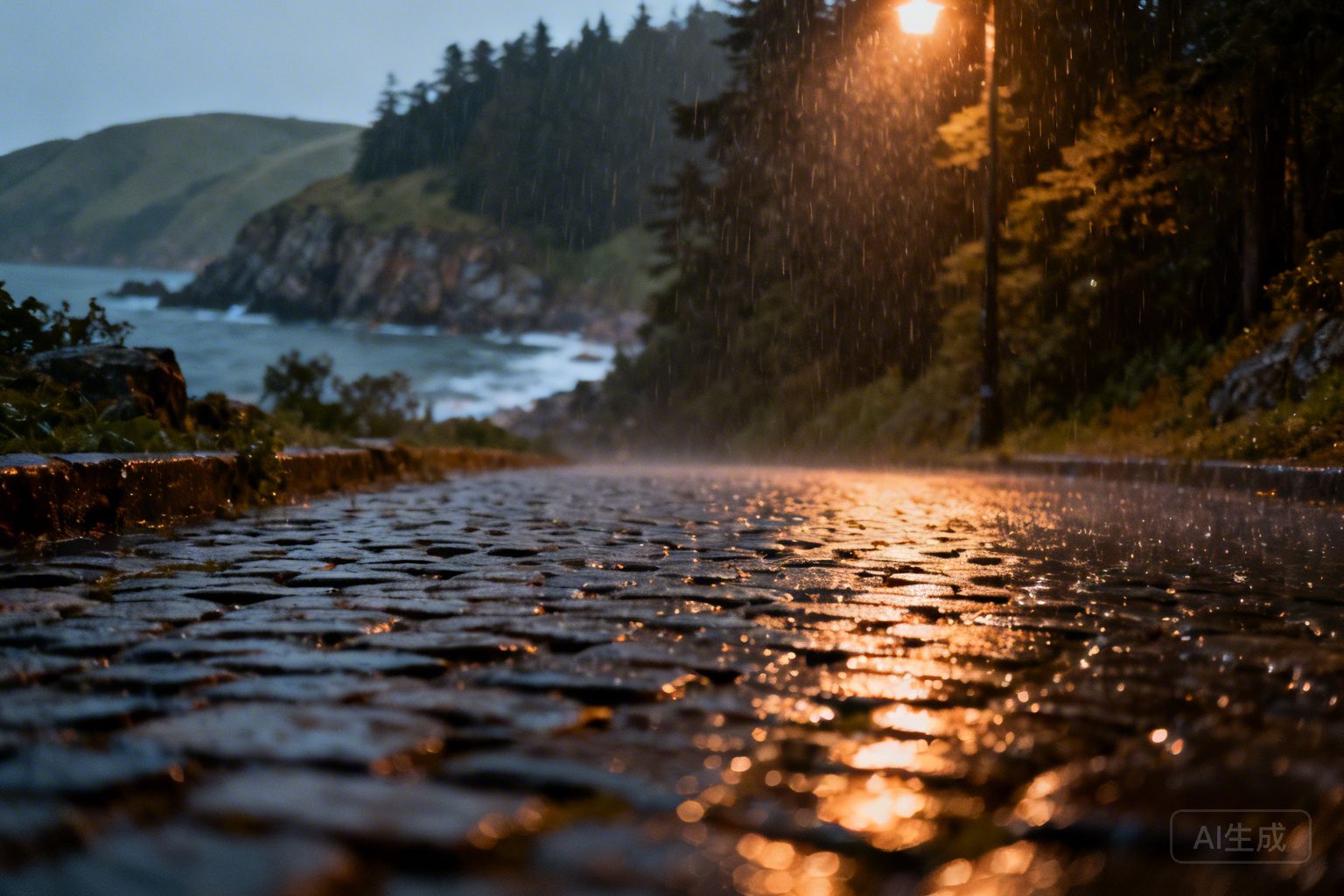
The cobbles are the first thing you feel. They are not the polite, rounded stones of a European plaza; they are treacherous, uneven teeth of basalt that vibrate through the soles of your shoes. I watched a young woman in silk slip-on mules attempt to navigate the 5th Avenida Norte, her ankles buckling with every step as she clutched a rose-colored latte. She was searching for the light. We all are. In Antigua, the light is a currency more valuable than the Quetzal.
1. The Santa Catalina Arch: The Saffron Sentinel
You begin at the Arch. Everyone begins at the Arch. It is the yellow heartbeat of the city, a saffron-hued span that once allowed cloistered nuns to pass from one side of the street to the other without being seen by the scandalous eyes of the public. Today, it is the most photographed monument in the country, but to see it properly, you must arrive at 5:45 AM.
The air is bitingly cold at dawn, a thin, highland chill that smells of damp earth and roasting coffee. I stood there as the first charcoal-grey light touched the peak of Volcán de Agua, which looms at the end of the street like a silent, brooding deity. A street sweeper with a broom made of bundled twigs scratched a rhythmic shush-shush against the stones. His face was a map of deep Andean furrows, eyes narrowed against a wind that hadn’t yet arrived. He didn’t look at the Arch; to him, it was just a shadow he had to clean around. When the sun finally crested the rim of the valley, the yellow paint of the Arch didn’t just brighten—it ignited. It became a liquid gold, a beacon that demanded you look up, even as the uneven ground tried to trip you.