Instagram Gold: 15 Most Photo-Worthy Spots in Bruges!
The Liquid Mirror: Chasing the Ghost of a Golden Hour
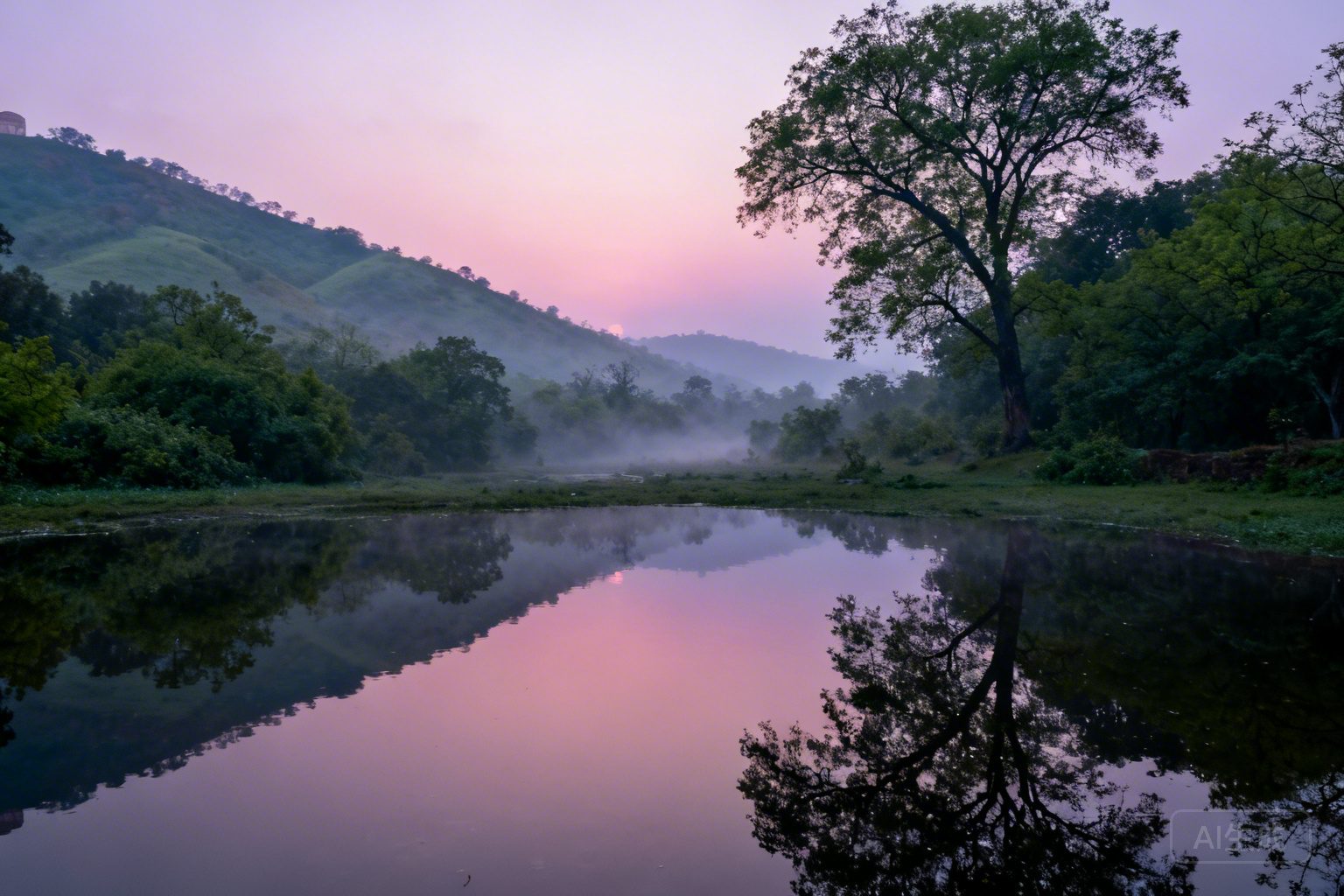
Bruges does not belong to the present. It is a city of soft-focus masonry and calcified silence, a place where the air tastes of damp limestone and the ghosts of 15th-century wool merchants seem to hover just beyond the peripheral vision of your Leica. To arrive in the West Flanders capital is to step into a Flemish Primitive painting, but one that has been varnished over by the relentless, saturated hunger of the digital age. They call it the Venice of the North, a tired cliché that does a disservice to the specific, brooding gravity of the Belgian fog. Here, the light doesn’t just fall; it descends like a heavy velvet curtain, turning the stagnant canal water into a dark, obsidian glass that reflects every jagged crow-stepped gable with terrifying, high-definition clarity.
I stood at the edge of the Minnewater, the Lake of Love, at five-thirty in the morning. The wind at this specific corner of the park is a thin, biting needle that smells of wet willow bark and cold silt. The tourists were still entombed in their high-thread-count linens at the Hotel de Tuilerieën, and for a brief, flickering moment, the city felt raw. This is where the hunt begins—not just for the “shot,” but for the texture of a place that has been photographed a billion times and yet remains fundamentally unknowable.
1. Minnewater: The Threshold of Despair and Grace
The bridge over the Minnewater is the first essential frame. Legend dictates that a young girl named Minna died here of a broken heart, and the water supposedly holds her grief in its slow, green eddies. The stones of the bridge are slick, moss-furred ribs that vibrate slightly when the occasional early-morning cyclist rattles over them on a rusted frame. I watched a lone swan—a creature of pure, aggressive whiteness—cut a silent, V-shaped wake through the mist. The texture of the water at this hour is not liquid; it is a heavy mercury that clings to the brick foundations of the gunpowder tower. To capture this is to capture the melancholy of Flanders. It is a quiet, expensive kind of sadness.
2. The Beguinage: A Study in White and Silence
Walk north, and the world loses its color. The Prinselijk Begijnhof Ten Wijngaerde is a sanctuary of whitewashed facades and tall, skeletal poplars that lean away from the North Sea winds. The silence here is physical. It is a thick, woolen blanket that muffles the sound of your own heartbeat. I encountered a woman here—not a nun, but a resident of the almshouses—wearing a coat the color of boiled beets. She moved with a calculated, glacial slowness, her hand trailing over a 100-year-old door where the paint was peeling in brittle, grey flakes, revealing the pale, sun-bleached wood beneath. She didn’t look at me. In the Beguinage, to acknowledge a camera is to break a centuries-old contract with the divine. The light here is flat and egalitarian, perfect for those who want their feed to reflect a monastic, minimalist discipline.