Instagram Gold: 15 Most Photo-Worthy Spots in El Nido!
The Calcified Cathedral of the Sulu Sea
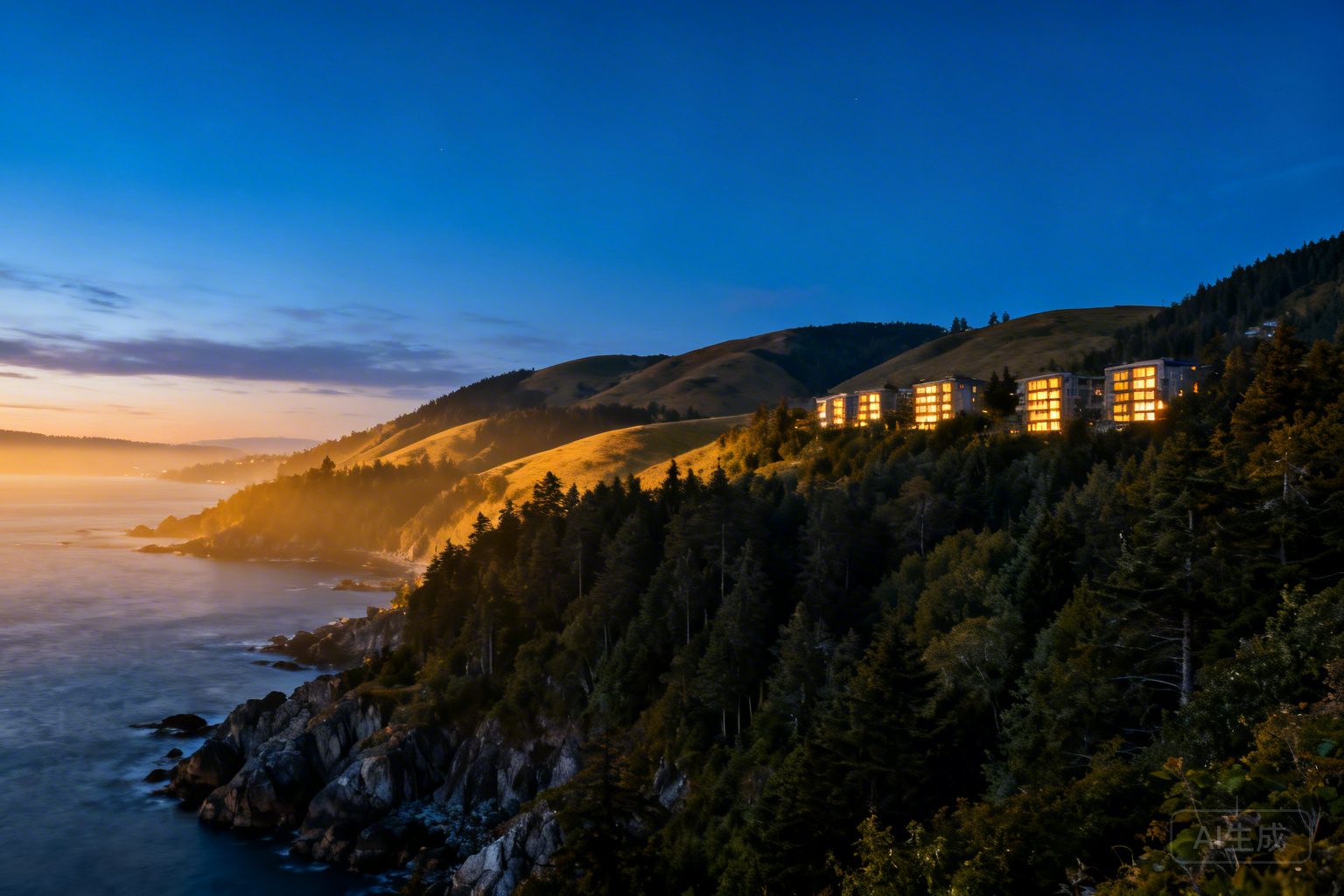
The dawn in El Nido does not arrive with a roar, but with a rhythmic, percussive slapping of turquoise water against the barnacled hulls of outrigger boats. I am standing on the balcony of a limestone-clinging villa, the air smelling of toasted garlic and the metallic tang of salt-crusted diesel engines. Below, the town of Bacuit wakes with a twitch. The sand here is not yet white under the grey-blue veil of first light; it is the color of wet cement, littered with the skeletal remains of coral washed up by the midnight tide. A local fisherman, his skin the texture of a sun-dried date and his eyes clouded by the permanent cataracts of a life lived on the glare of the horizon, mends a nylon net with fingers that move like frantic spiders. He does not look up. He knows the tourists are coming.
They call this “Instagram Gold,” a title that feels both transactional and reductive, yet undeniably accurate. To arrive in El Nido is to enter a theater of the sublime, where the scenery is so impossibly dramatic it feels like a digital rendering. But beneath the saturated blues of the grid lies a gritty, humid reality. The 15 spots that define this archipelago are more than mere backdrops; they are the altars of a modern pilgrimage. I begin my descent into the humid labyrinth of the town, where the paint on the 100-year-old shutters of the ancestral homes peels away in curls of sea-green and ochre, revealing the grey, weary wood beneath.
1. The Gateway: Helicopter Island’s Northern Tip
We push off in a bangka, the engine a deafening, rhythmic heartbeat. Our first stop is Dilumacad, or Helicopter Island. From a distance, the limestone cliffs mimic the shape of a grounded chopper, but up close, the rock is a jagged, unforgiving grey. I climb the northern ridge, where the wind whistles through the porous stone with the pitch of a distant flute. The temperature here is five degrees cooler than on the water, a sharp, bracing draft that smells of wet moss. I watch a young woman in a flowing silk dress attempt to balance on a razor-sharp outcrop. Her photographer—a frantic man with three cameras swinging from his neck like heavy pendulums—shouts instructions over the crashing surf. This is the first spot: the juxtaposition of soft silk against the serrated edge of ancient karst.
The history of these rocks is written in the silence of the sea. Geologists tell us they are part of a 250-million-year-old formation that drifted from mainland China. The locals tell a different story. They say the islands are the petrified remains of a giant who tried to swallow the moon. Looking at the sheer verticality of the cliffs, the giant feels more plausible.