Instagram Gold: 15 Most Photo-Worthy Spots in Granada!
The Amber Hour in the City of Pomegranates
Granada does not reveal itself to the casual observer; it demands a surrender of the senses. To arrive here is to step into a fever dream of Moorish geometry and Catholic austerity, a place where the air smells of roasting chestnuts and ancient dust. It is a city of verticality, where the streets don’t so much run as they climb, gasping, toward the snow-capped peaks of the Sierra Nevada. Everyone comes for the “shot”—that perfect, backlit frame of the Alhambra glowing like a discarded copper coin against the violet dusk—but to find the gold, one must be willing to get lost in the labyrinth.
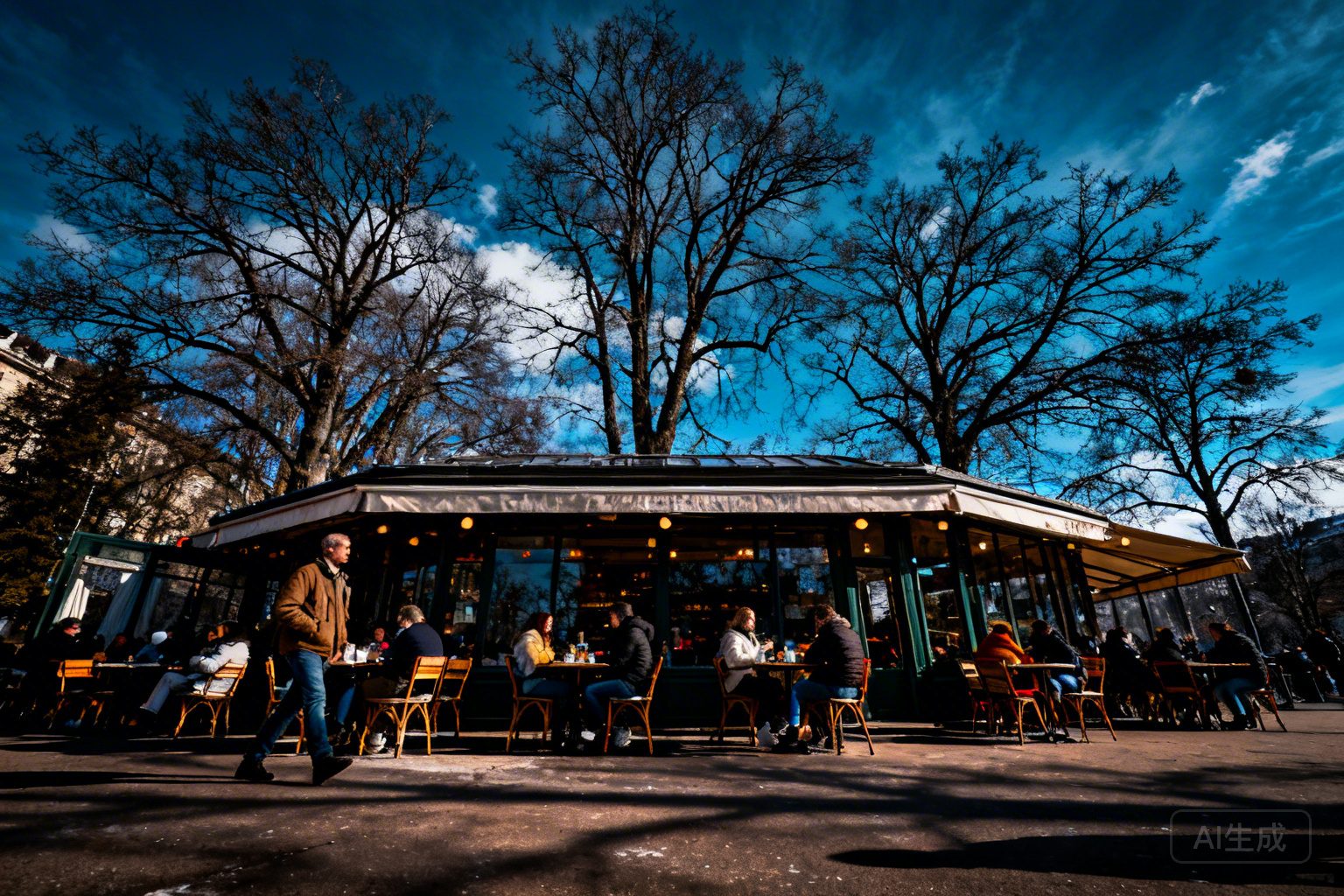
The morning begins in the Plaza de Bib-Rambla, where the light is still thin and watery. Here, the flower stalls are just opening, their corrugated metal shutters shrieking against the stone. I watch a waiter at a corner café—let’s call him Paco, though his name tag is obscured by a spill of espresso. He moves with a brusque, rhythmic hostility, slamming saucers onto marble tables with a percussion that echoes the heartbeat of the city. He doesn’t look at the tourists. He looks through them, his eyes fixed on some invisible point in 1984. He is the guardian of the churro, a man who treats fried dough with the solemnity of a high priest.
1. The Fountain of Lions (Plaza de Bib-Rambla)
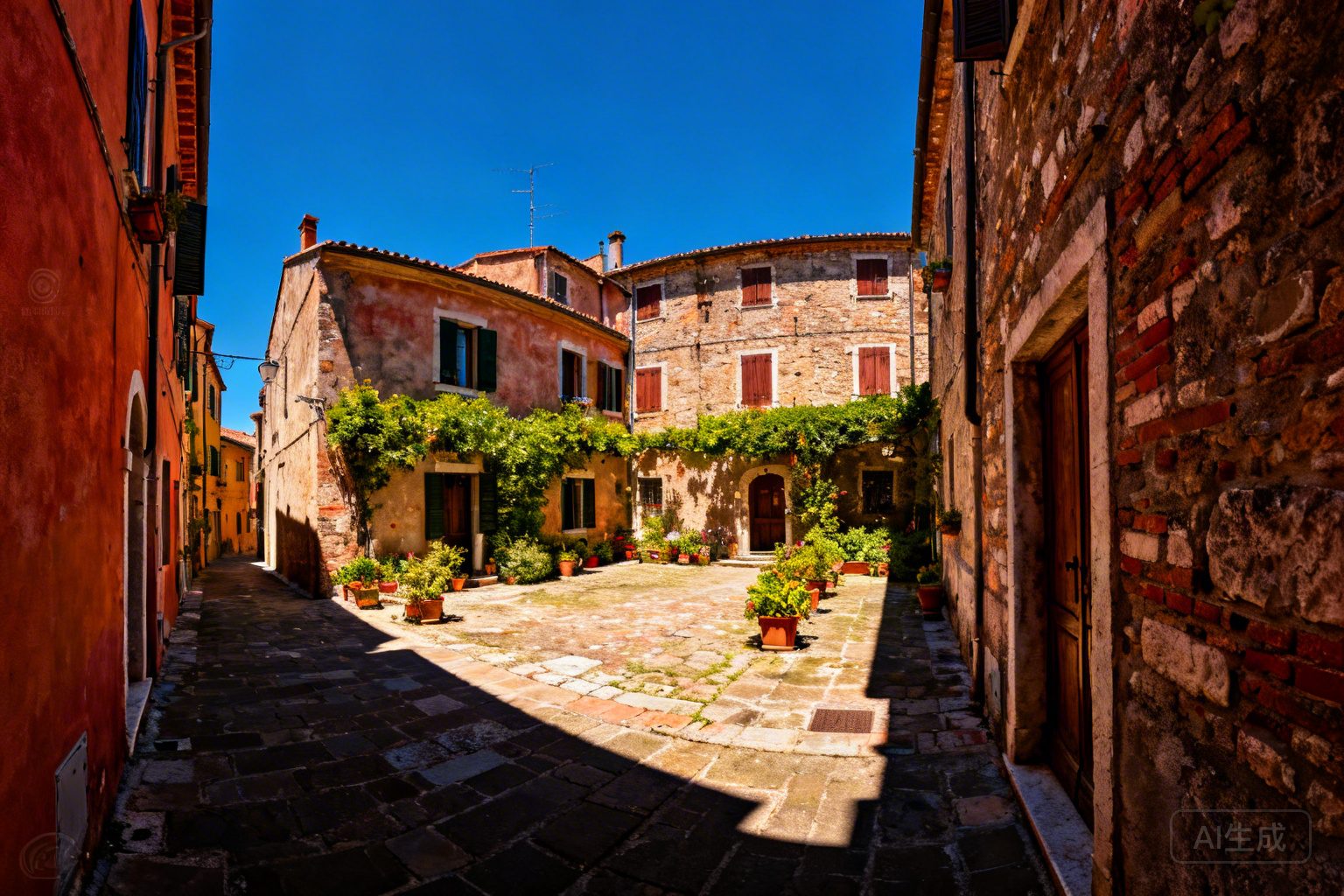
The first “grammable” moment isn’t the palace; it’s the life blooming around the 17th-century fountain. The water doesn’t splash; it murmurs. The texture of the stone is pitted, worn smooth by centuries of hands seeking a moment’s coolness. To capture this, one must go low, catching the reflection of the surrounding 19th-century townhouses in the puddles left by the flower sellers. The colors here are muted—sage green shutters, ochre walls, the shocking scarlet of a single geranium falling from a balcony.
2. The Alcaicería: A Kaleidoscope of Silk
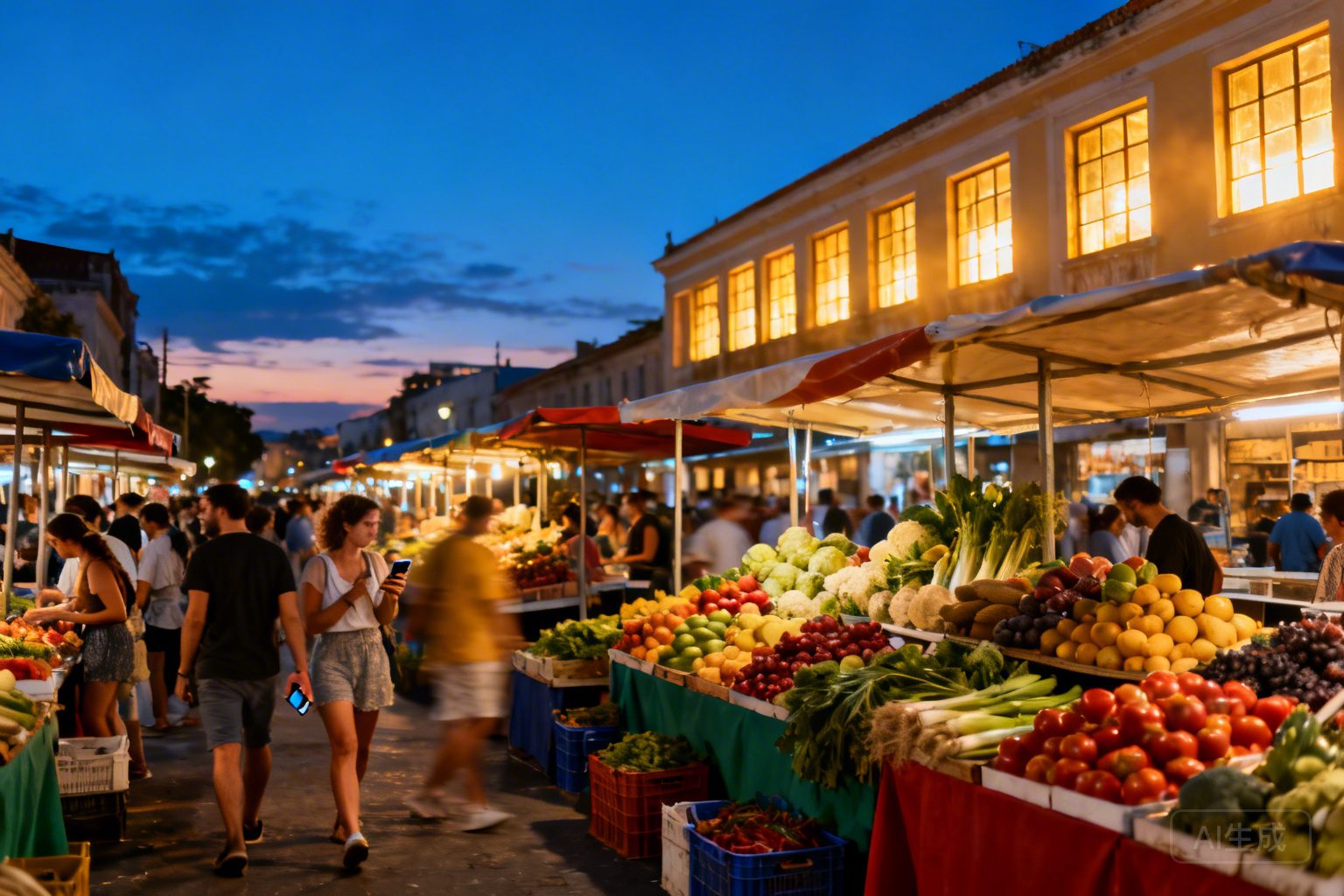
Step ten yards away and the world narrows. The Alcaicería, the old Moorish silk market, is a throat of a street. It is tight, claustrophobic, and dizzying. The light here is fractured by thousands of hanging lanterns—mosaic glass in cobalt, amber, and blood-red. The walls are lined with “fajalauza” ceramics, the blue-and-white pottery that is the DNA of Granadino craft. I run my thumb over a plate; the glaze is thick, slightly uneven, cool to the touch even in the rising heat.