Is Antigua Overrated? 10 Brutally Honest Reasons Why You Should Go!
The Cobalt Hour and the Volcanic Ghost
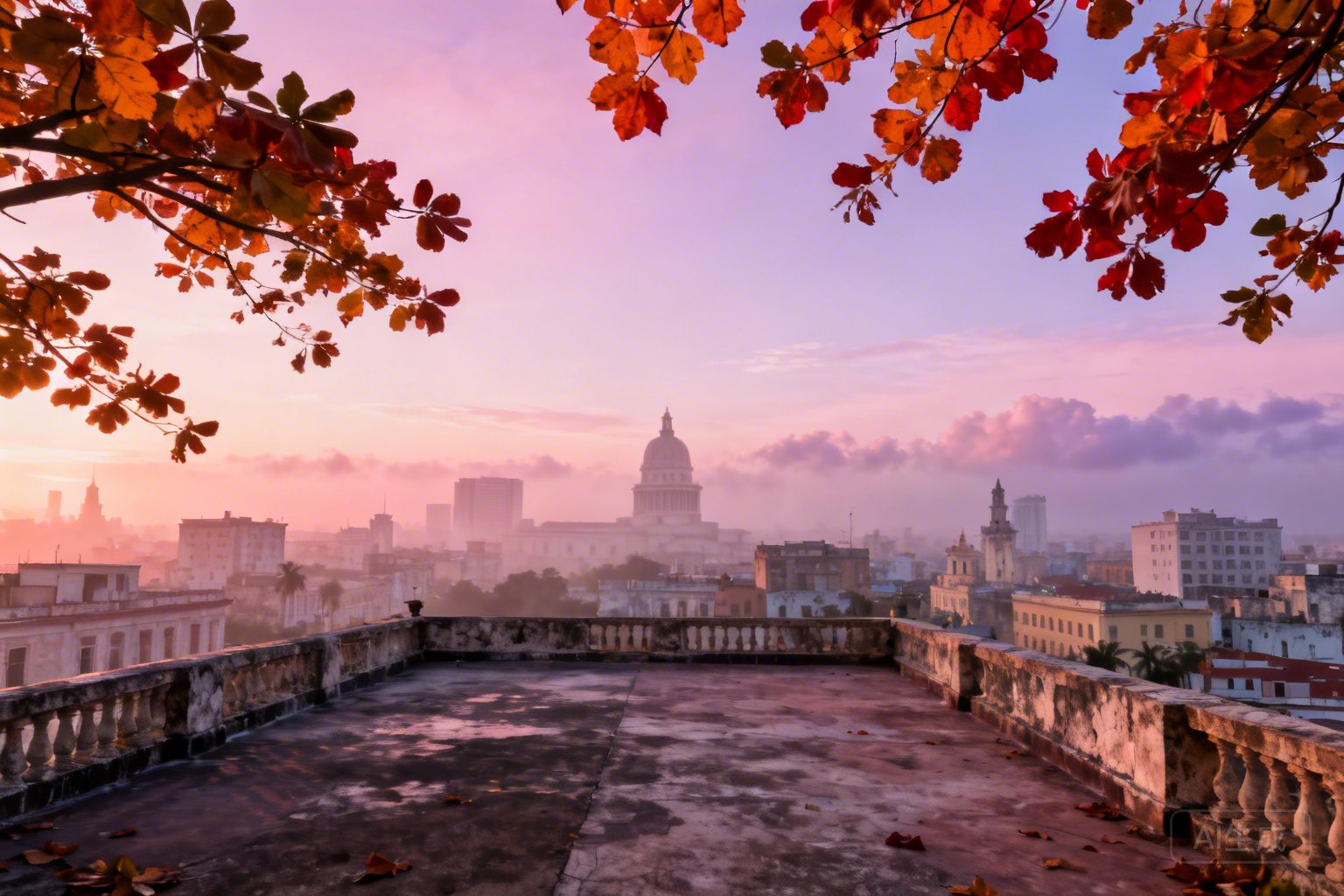
The dawn in Antigua, Guatemala, does not break; it hemorrhages. It begins with a bruised violet light that spills over the serrated peaks of Agua, Fuego, and Acatenango, trickling down into the valley like spilled wine on a dusty velvet rug. At 5:15 AM, the air is not merely cold; it is thin and sharp, tasting faintly of cedar smoke and the damp, mineral breath of ancient stone. I stand on the corner of 5a Calle Oriente, watching a stray dog—a rib-thin creature with the stoic dignity of a fallen prince—navigate the uneven cobblestones with more grace than any tourist in $300 hiking boots ever could.
Is Antigua overrated? The question is a jagged pebble in my shoe. To the cynical traveler, it is a curated Disney-fication of the colonial past, a labyrinth of Instagram backdrops painted in “Mayan Yellow” and “Pompeian Red.” But as the first rays of sun hit the crumbling stucco of the Iglesia de la Merced, revealing the intricate, cake-frosting plasterwork that has survived centuries of tectonic violence, the cynicism begins to melt. Antigua is a city of layers—of history built upon ruins, built upon myths, built upon the stubborn refusal to be erased by the very earth it sits on.
1. The Tyranny of the Cobblestone
Your ankles will hate this city. There is no middle ground with the streets of Antigua; they are a tectonic battlefield of rounded basalt river stones, polished to a treacherous sheen by five hundred years of footsteps and mule hooves. This is not a city for the delicate. I watch a woman in a pencil skirt, clearly a frantic office worker commuting from the nearby sprawling chaos of Guatemala City, attempt to navigate the 4th Avenue crossing. Her heels click-clack in a frantic, syncopated rhythm, a desperate morse code sent to the gods of stability. She loses. A stumble, a sharp intake of breath, a muttered “Dios mío,” and she recovers with a ferocity that defines the local spirit.
The stones are a physical manifestation of the city’s stubbornness. They reject the smoothness of modernity. They demand that you look down, that you acknowledge the ground you walk on, that you slow your pace to a meditative crawl. To walk Antigua is to engage in a constant, low-stakes negotiation with gravity.