Is Bogotá Overrated? 10 Brutally Honest Reasons Why You Should Go!
The Grey Labyrinth of the Andes
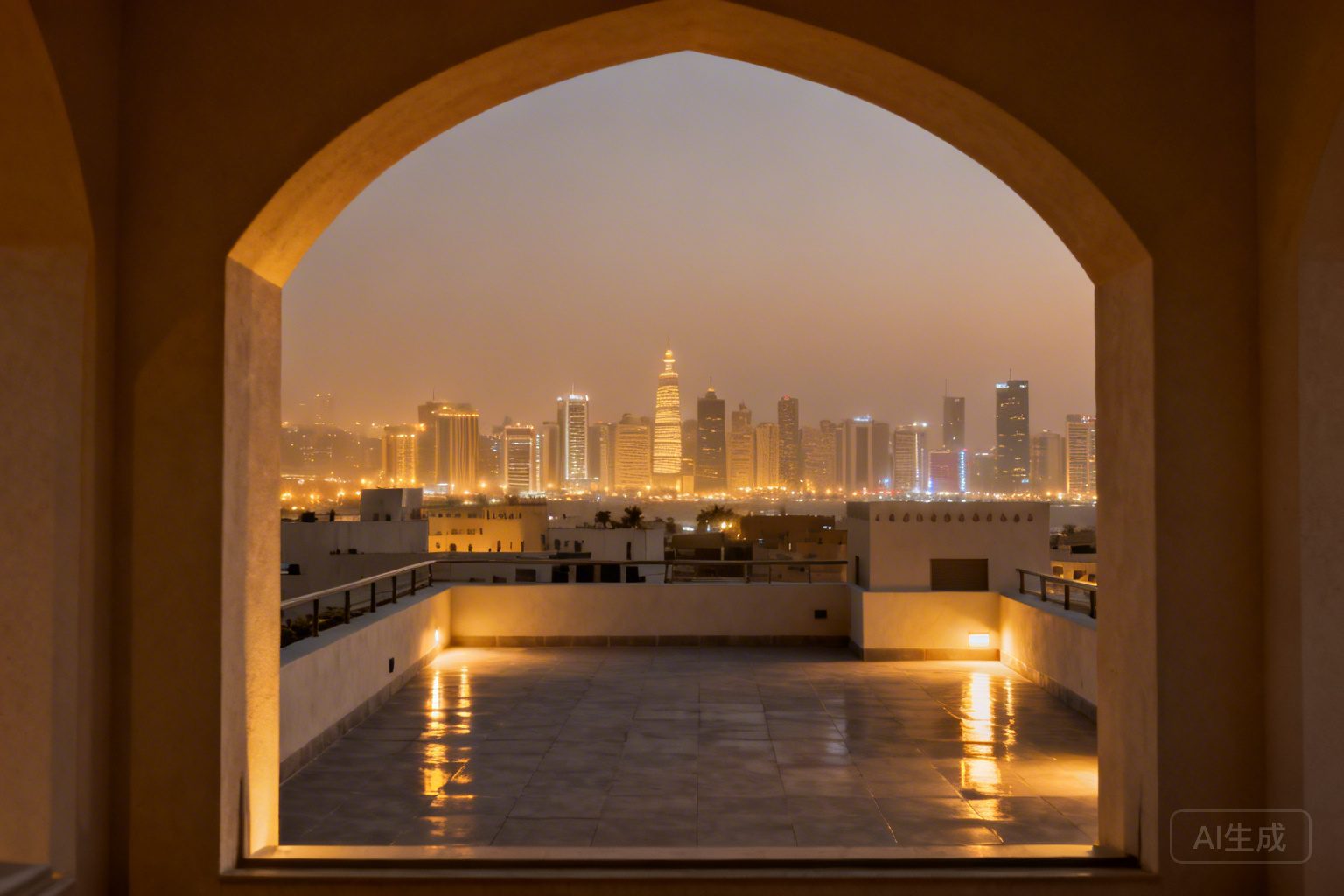
The descent into El Dorado International Airport is less a flight and more an act of submission. You are dropping into a high-altitude bowl carved from the Cordillera Oriental, a place where the clouds don’t just float; they loiter. They press against the glass of the fuselage like wet wool, heavy with the scent of eucalyptus and diesel. As the wheels kiss the tarmac, the cabin fills with that distinct, thin-air vibration. This is Bogotá: a city of eight million souls perched 8,660 feet closer to the stars, and yet, it is a place perpetually grounded in the grit of the earth.
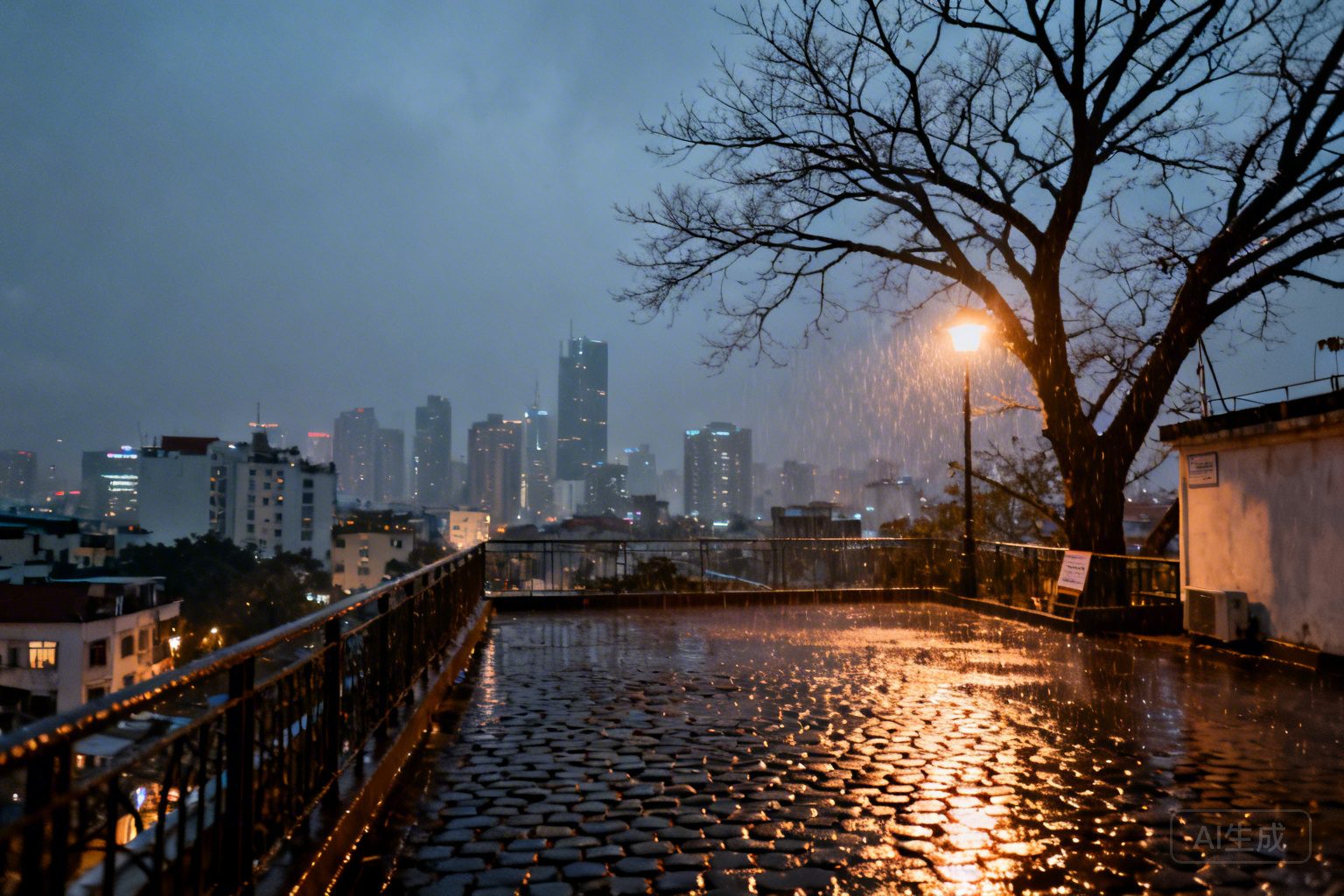
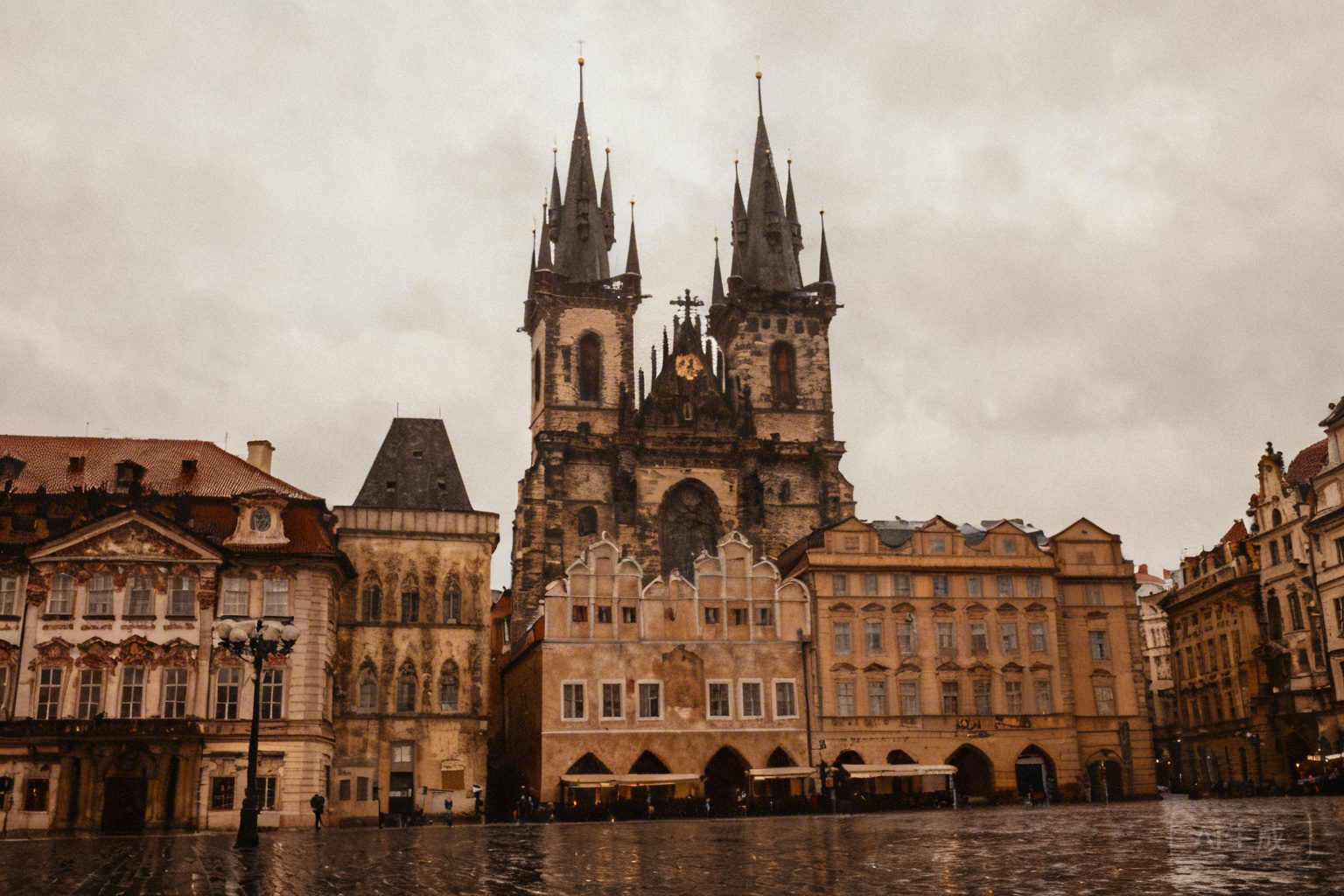
Is Bogotá overrated? The question is a favorite of the digital nomad set, those tanned travelers who scuttle between the tropical heat of Medellín and the colonial charm of Cartagena. They complain about the rain. They bemoan the traffic—a snarling, prehistoric beast known as the trancon. They find the city’s facade too brutalist, its weather too moody, its streets too chaotic. And they are, in many ways, entirely correct. Bogotá is not a city that wants to be liked. It does not perform for you. It does not offer the easy smile of a Caribbean port. It is a city of layered sweaters, of hidden courtyards, and of a profound, bone-deep melancholy that the locals call la nevera—the refrigerator.
But the “overrated” label is the shield of the lazy traveler. If you are looking for a postcard, go to the Swiss Alps. If you are looking for the soul of a continent—raw, bleeding, poetic, and utterly relentless—you stay right here. Here are ten brutally honest reasons why you must subject yourself to the beautiful friction of Bogotá.
1. The Architecture of Scar Tissue
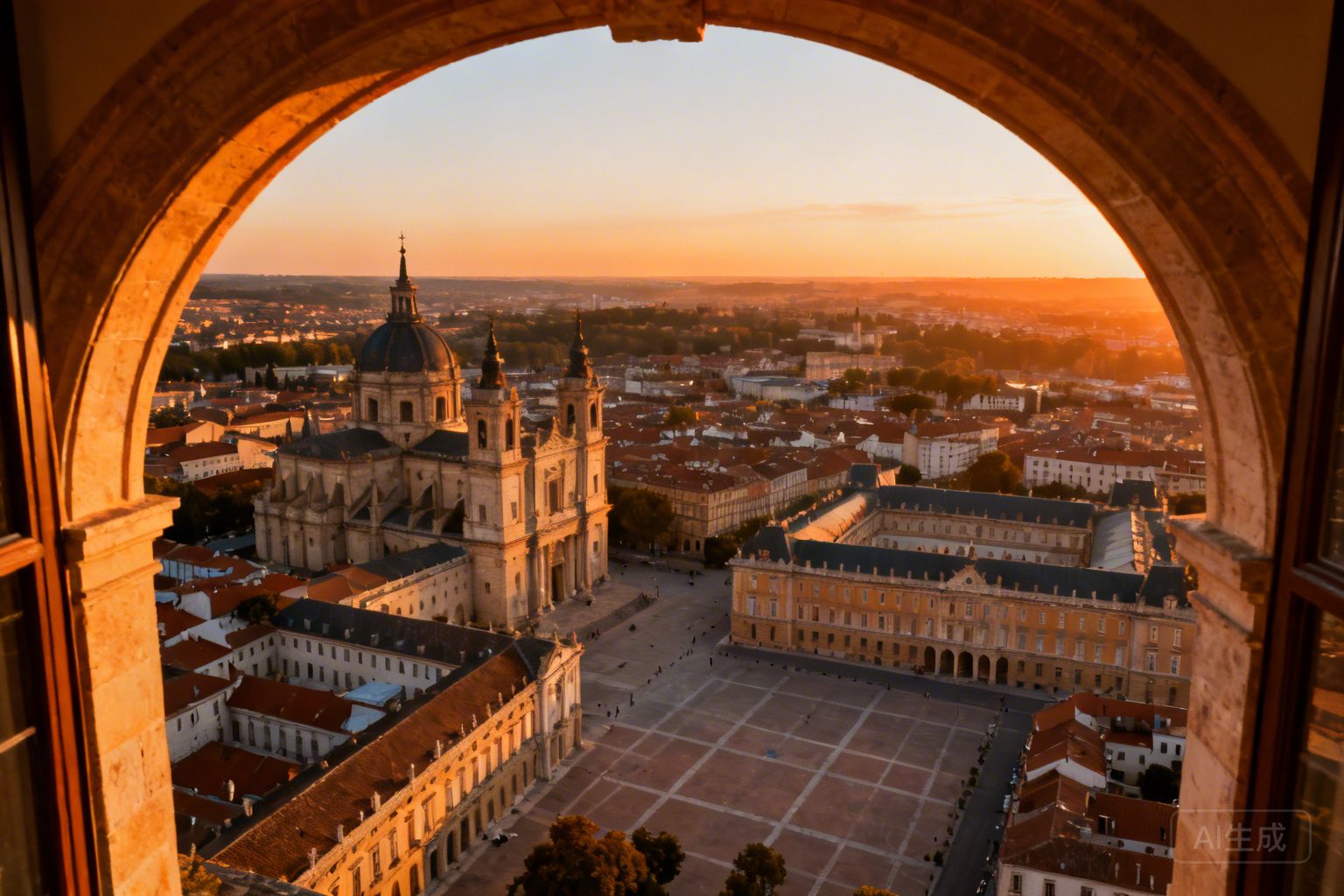
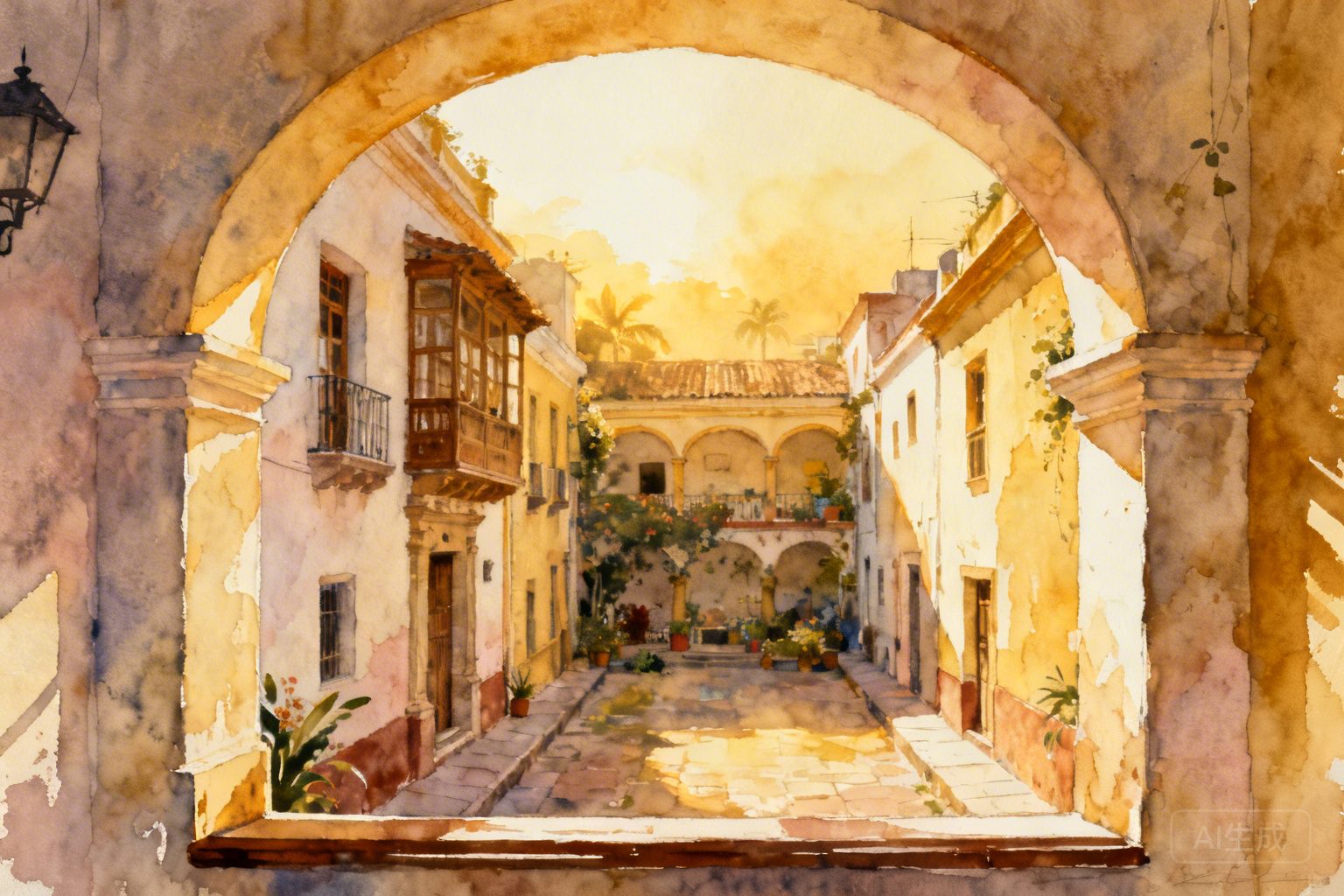
Walking through La Candelaria is an exercise in temporal vertigo. The paint on the heavy cedar doors—some nearly three centuries old—doesn’t just peel; it flakes off in thick, calcified shards, revealing layers of salmon, ochre, and oxblood. You run your hand over the cold limestone of a colonial wall and feel the pockmarks of history. This is the district of the silent monk. I saw him near the Iglesia de Nuestra Señora del Carmen, a man whose habit was the color of dried mud, moving with a terrifying stillness while the world around him screamed in neon graffiti.