Is El Nido Overrated? 10 Brutally Honest Reasons Why You Should Go!
The Bacuit Archipelago: A Fever Dream in Limestone
The propeller plane descends into El Nido with a violent, shuddering grace, its shadow dancing over a sea the color of a bruised peacock’s neck. From twelve hundred feet, the limestone karsts of the Bacuit Bay rise like the jagged teeth of a prehistoric god, moss-slicked and terrifyingly steep. You land on a strip of tarmac that feels reclaimed from the jungle by sheer force of will. The air that hits you when the cabin door cracks open isn’t just air; it is a physical weight, a humid shroud scented with decomposing frangipani, kerosene, and the salt-crusted promise of the South China Sea.
Is El Nido overrated? The question is a constant hum in the backpacker hostels of Bangkok and the air-conditioned lounges of Makati. It is the cynical refrain of the “travel purist” who laments the loss of a paradise they never truly owned. They point to the skyrocketing prices, the swarms of orange life vests, and the fragile ecology buckling under the weight of Instagram fame. And they are right. They are also profoundly, tragically wrong.
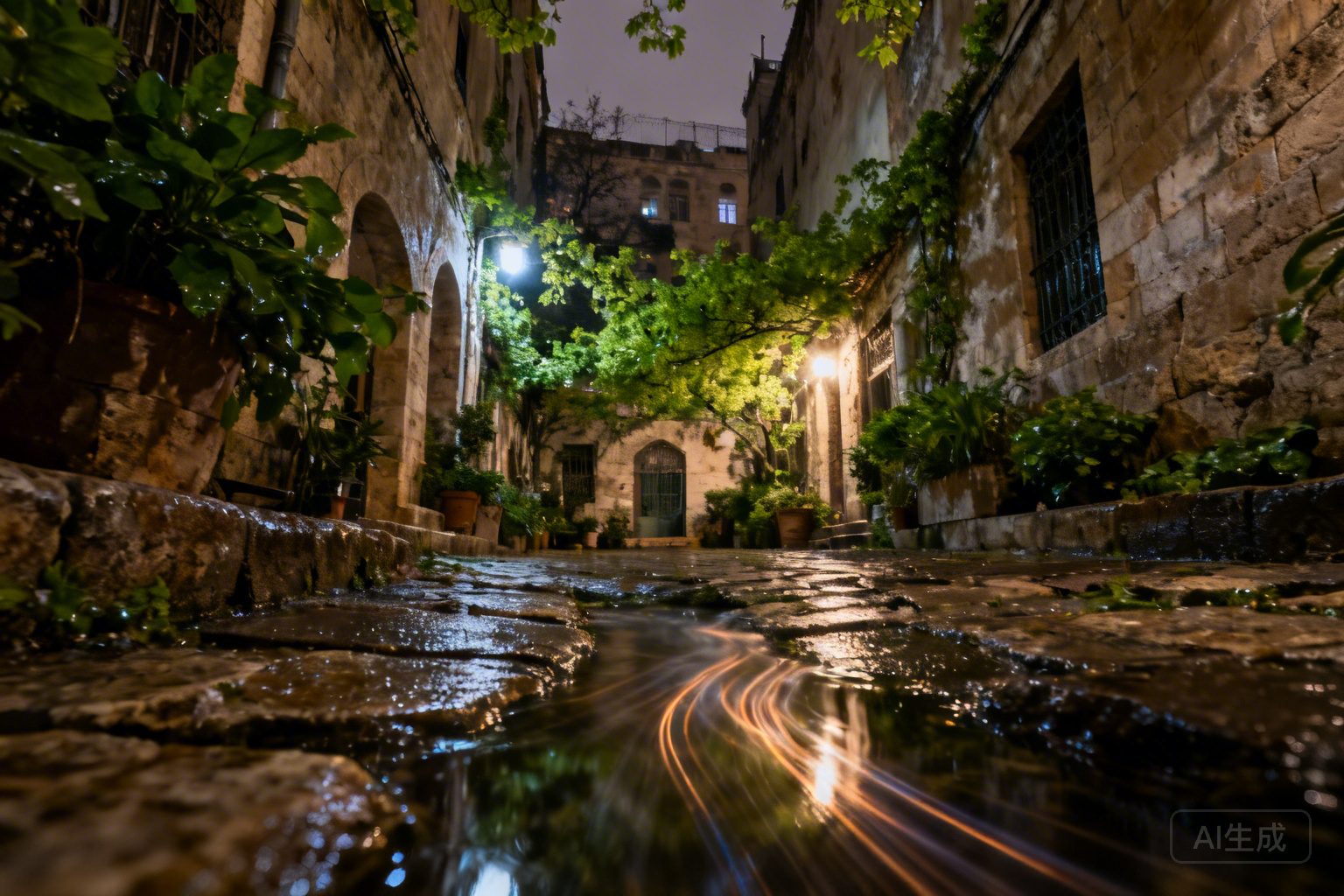
To understand El Nido, you must first survive the tricycle ride from Lio Airport into the town proper. My driver, a man named Efren whose skin is the texture of aged saddle leather, navigates the potholes with a nihilistic indifference to physics. We swerve past a hundred-year-old door in the Spanish style, its turquoise paint peeling in long, curled strips like sunburnt skin, revealing the gray, weathered wood beneath. The pitch of the street vendors’ cries here is a sharp, percussive staccato—“Balut! Balut!”—cutting through the low-frequency thrum of two-stroke engines. The wind at the corner of Calle Hama is cooler, a sudden gift from the bay that carries the metallic tang of drying fish and the sweet, cloying smoke of grilled pork fat.
1. The Tyranny of the Tour Boat
The “overrated” argument begins at 9:00 AM on the main beach. It is a spectacle of orchestrated chaos. Thousands of tourists, sun-dazed and smelling of SPF 50, are funneled onto wooden outriggers (bangka). You will see the “Professional Nomad,” identifiable by his threadbare linen shirt and an expensive Leica he treats with more tenderness than his own skin. You will see the “Frantic Honeymooners,” clutching their waterproof phone pouches like talismans against the inevitable realization that their marriage requires more than a sunset to survive.