Is Havana Overrated? 10 Brutally Honest Reasons Why You Should Go!
The Ghost in the Machine: A Fever Dream of the Malecón
The humidity in Havana does not merely sit upon you; it inhabits you. It is a wet wool blanket thrown over a radiator, smelling faintly of diesel exhaust, sea salt, and the caramel musk of tobacco that has been curing in a basement since the Eisenhower administration. Standing on the corner of Prado and Neptuno, the air feels thick enough to carve with a dull knife. To the uninitiated, the city is a postcard of frozen time—a candy-colored fleet of Chevrolets and Buicks buffed to a high shine. But look closer, beneath the glossy lacquer of the tourist brochures, and you see the oxidation. The rust is the city’s true heartbeat. It is a slow, methodical consumption of metal and stone by the Caribbean salt air.
Is Havana overrated? The question itself feels like an insult to a city that has survived revolution, embargo, and the relentless march of tropical entropy. Yet, in the age of the curated Instagram feed, the gap between the myth and the grit has become a canyon. People come here for the Hemingway fantasy, expecting a daiquiri and a sunset, but they find instead a labyrinth of shortages and soaring prices. Havana is a masterpiece painted on a crumbling wall. If you are looking for the seamless luxury of a Cayman Islands resort, you will find this city not just overrated, but exhausting. But for the traveler who finds beauty in the dissonance of a collapsing empire, Havana is the only place left on earth that still feels real.
1. The Architecture of Decay
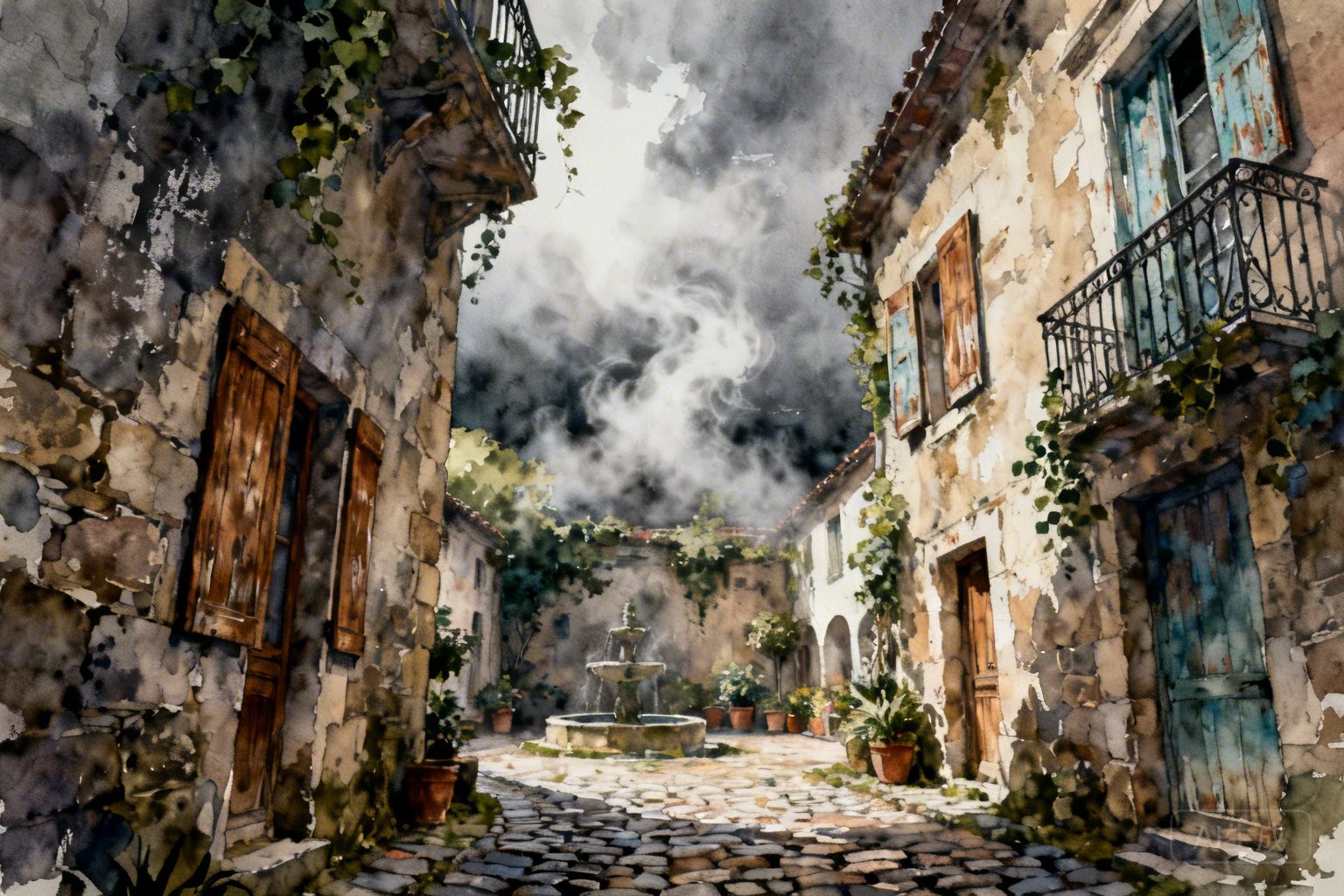
Walking through Old Havana—Habana Vieja—is an exercise in sensory overload. The buildings are skeletons of Spanish colonial grandeur, their baroque facades peeling away like the skin of a sunburnt giant. I watched a man in a grease-stained undershirt leaning out of a fourth-story window that had no glass, only a pair of splintered shutters held together by a prayer and a length of rusted wire. Below him, the street vibrated with the roar of a 1954 Plymouth Belvedere, its engine a Frankenstein’s monster of Soviet tractor parts and improvised hoses.
The paint on the doors is the most striking feature: layers upon layers of turquoise, ochre, and magisterial reds, now flaking off to reveal the raw, grey limestone beneath. It is a palimpsest of history. You touch a wall and the dust of 1920 clings to your fingertips. This isn’t a museum; it is a living organism that is being reclaimed by the elements. The “overrated” label usually comes from those who cannot see past the rubble. But there is a specific, haunting melody in the way a marble staircase spirals into a room filled with laundry lines and the smell of frying garlic.