Locals Only: 12 Hidden Hangouts in Budapest You Won’t Find on Google!
The Cobblestone Fever Dream: A Descent into the Real Budapest
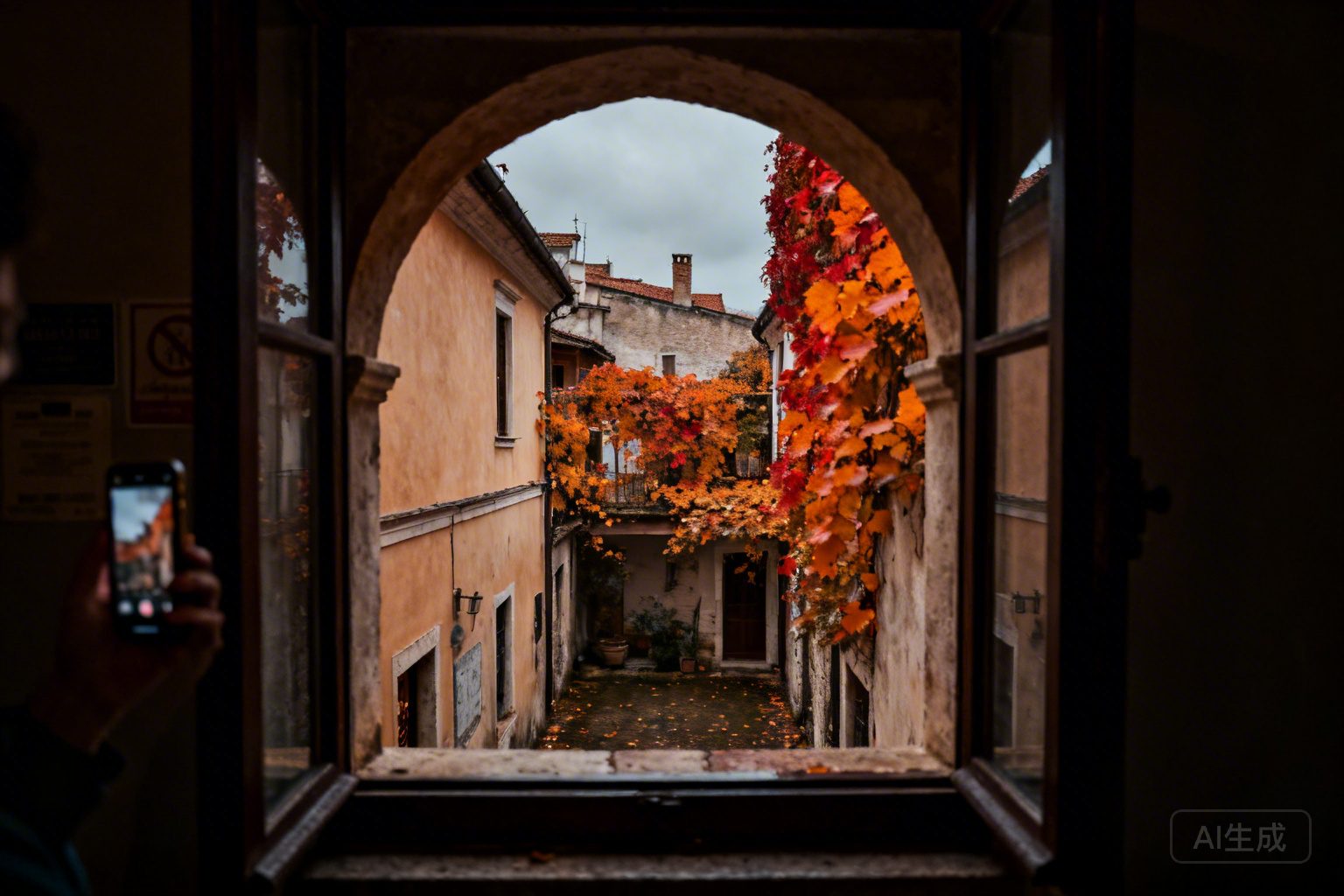
Budapest does not reveal itself to the impatient. It is a city of heavy, soot-stained limestone and iron gates that moan with the weight of empires lost. To the casual traveler, it is the Parliament’s Gothic lace or the neon frenzy of Király utca. But those are the masks. The true city lives in the damp shadows of inner courtyards, in the smell of unwashed wool and stale tobacco, and in the peculiar, defiant silence of a basement bar where the menu is written in a script that looks like jagged lightning. To find the “Locals Only” version of this Danubian mistress, you must learn to walk with your eyes half-closed, following the scent of roasting coffee and the low thrum of a cello echoing through a ventilation shaft.
The wind at the corner of Wesselényi and Akácfa smells of rain and old bread. It is a sharp, biting draft that whistles through the gaps in the masonry, carrying the metallic tang of the trolleybus wires. Here, the city isn’t a postcard; it is a living, breathing lung. I watch a frantic office worker, her heels clicking a desperate staccato against the uneven stones, clutching a leather briefcase as if it contains the secrets of the Hapsburgs. She vanishes into a doorway that looks like a wound in the side of a building—a peeling, ochre-colored portal where the paint flakes off in the shape of forgotten islands. This is where we begin.
1. The Archivist’s Alibi: Könyvudvar
Tucked into a courtyard that Google Maps insists is a dead end, Könyvudvar is less a bookstore and more a cemetery for paper. The air inside is thick, heavy with the vanilla-rot scent of decaying lignin. There is no organization here, only gravity. Stacks of Hungarian poetry from the 1920s lean precariously against technical manuals for Soviet tractors. The proprietor, a man whose skin has the texture of wet parchment, doesn’t look up when you enter. He sits behind a desk piled high with yellowing maps, his glasses thick enough to ignite a fire if the sun ever dared to penetrate this deep. You buy a book not for the words, but for the pressed wildflower you find on page 42, left there by a lover in 1956.
2. The Ghost of the Ghetto: Kisüzem
In the Klauzál tér, while the tourists are queuing for overpriced goulash, the locals are drifting toward Kisüzem. The lighting is the color of a bruised peach. It is a “ruin pub” stripped of the kitsch—no bathtubs cut in half, no disco balls. Just raw brick and the kind of art that makes you feel slightly uncomfortable. Here, the waiters are brusque, possessing a specific type of Budapestian indifference that borders on a spiritual practice. They move with a weary grace, slamming heavy glass mugs of Arany Ászok onto scarred wooden tables. You sit here and listen to the artists argue about the death of the avant-garde, their voices rising and falling in the rhythmic, melodic cadence of the Magyar tongue.