Locals Only: 12 Hidden Hangouts in Madrid You Won’t Find on Google!
The Gilded Grit of the Five O’Clock Shadow
Madrid does not reveal itself to the punctual. It is a city designed for the procrastinator, the flâneur, and the ghost. If you arrive at a destination in the Spanish capital via a blue-dotted line on a glass screen, you have already lost the war. To know the Villa y Corte is to understand that the map is a lie, and the real city exists only in the spaces between the coordinates—the “interstitial Madrid” where the smell of rendered ibérico fat meets the cold, ozone-heavy draft of the Metro vents.
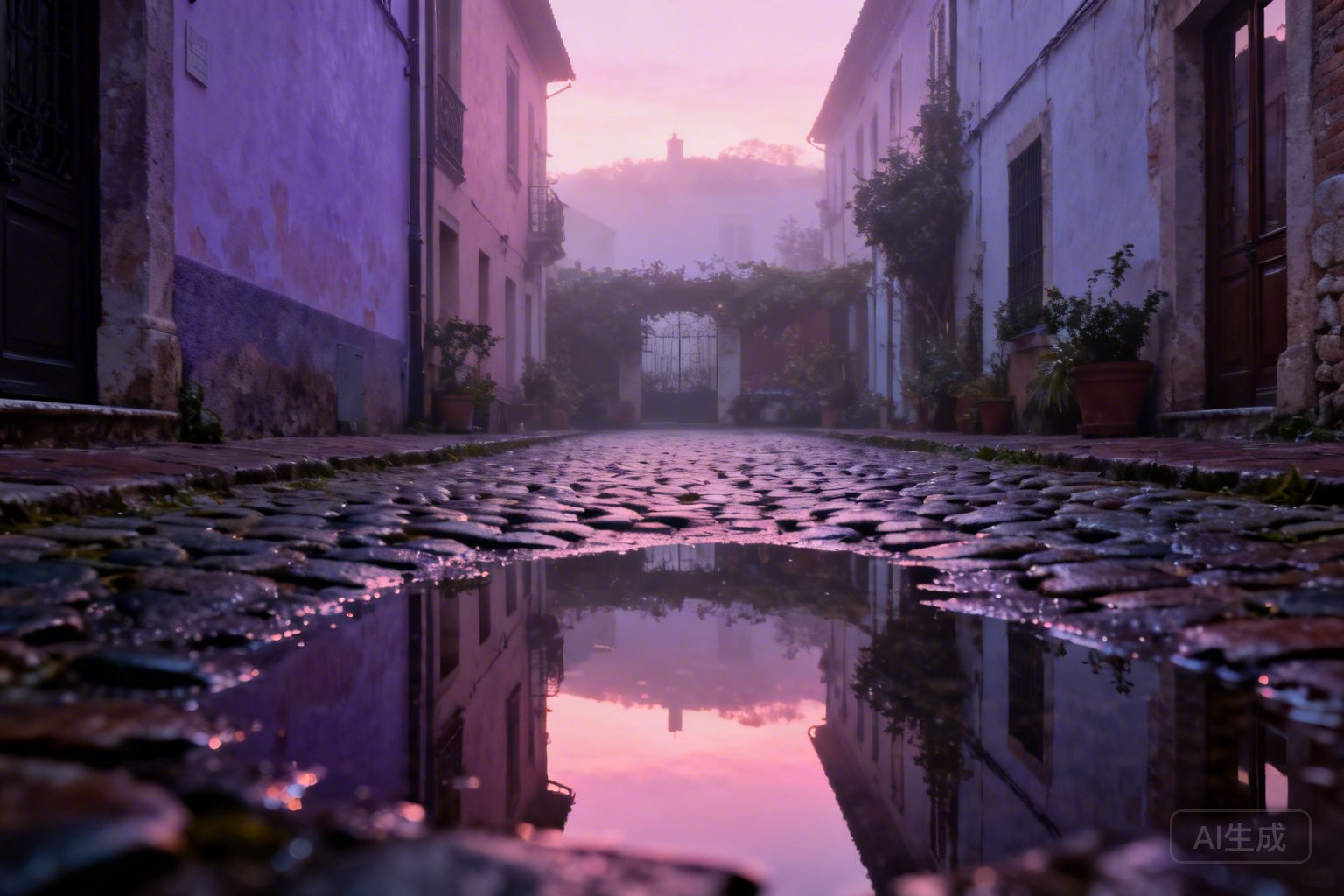
I found myself standing on the corner of Calle de la Palma as the sun began its slow, bruised descent over the Guadarrama mountains. The light here doesn’t just fade; it thickens, turning the crumbly limestone facades into slabs of toasted saffron. A man with skin the color of an espresso bean and fingers stained yellow by Ducados tobacco leaned against a rusted bollard. He wasn’t waiting for a bus. He was waiting for the evening to forgive him. This is where the Google car turns back, intimidated by the narrowness of the cobblestones and the sheer density of secrets.
1. La Carbonería: The Chapel of Smoke
In the belly of Conde Duque, behind a door so nondescript it looks like a maintenance hatch for the city’s sewer system, lies La Carbonería. It is not the famous one in Seville; this is the Madrid variant, a place where the air is stagnant with the ghosts of coal heavers. The walls are not painted; they are cured by decades of cheap wine fumes and the breath of poets who haven’t published since the death of Franco. Inside, the light is a jaundiced yellow, provided by bulbs that seem to be struggling for oxygen. There is no menu. You drink what the barman—a man named Faustino with eyebrows like two startled caterpillars—decides you deserve. To sit here is to feel the weight of the city’s subterranean history pressing against your temples. The wood of the stools is worn smooth, polished by a thousand restless thighs, and the floor is a mosaic of sawdust and olive pits.
2. The Garden of the Silent Nuns
Move south, toward the grit of La Latina, but veer off before you hit the tourist-choked spray of the Cava Baja. There is a convent—I will not name it, for the sake of the silence—where the high walls are topped with jagged glass shards from 1950s soda bottles. If you knock on the heavy oak door between the hours of 4:00 and 5:30 PM, you will hear the slide of a wooden panel. You do not see a face. You see a rotating wooden cylinder, a torno. Here, the cloistered sisters sell almendrados—almond cookies that taste of orange blossom and prayer. The exchange is silent. You place your crumpled Euros on the wood, the wheel spins, and the cookies appear. The wind at this specific corner always smells of damp stone and incense, a cold draft that seems to blow directly from the 17th century.