Locals Only: 12 Hidden Hangouts in New York City You Won’t Find on Google!
The Concrete Palimpsest: Chasing Shadows in the Five Boroughs
New York City does not reveal itself to the polite or the patient; it yields only to the obsessive. To live here is to engage in a perpetual act of archaeology, scraping away the neon laminate of the present to find the soot-stained grit of the past. The city most visitors see is a curated illusion—a high-definition simulation of glass towers and $18 salads. But there is another city, a clandestine map etched into the memories of those who have survived more than a dozen winters here. This is the “Locals Only” ledger, a collection of spaces that exist in the blind spots of the digital panopticon. These are the places where the paint is peeling in patterns that resemble topographical maps, and where the air smells of roasted chicory and ancient, damp limestone.
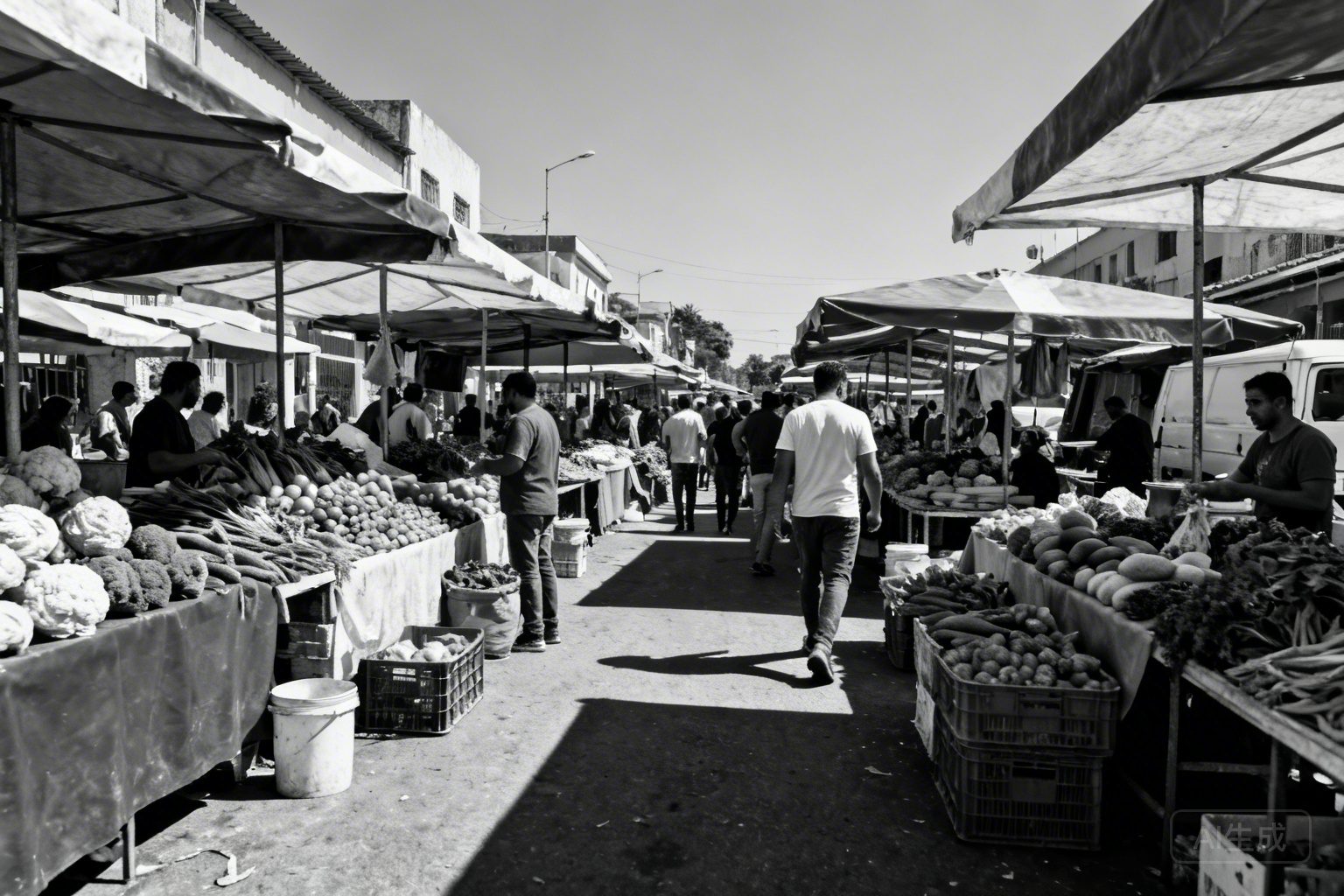
I began my journey at 5:00 AM, when the sky was the color of a fresh bruise. The wind at the corner of Canal and Mott was a razor, slicing through wool and skin, carrying the briny, sharp scent of dead fish and diesel exhaust. A street vendor, his face a roadmap of deep-set wrinkles and sun-faded scars, shouted his morning mantra in a dialect of Cantonese that felt rhythmic, percussive, almost violent. This is the New York that doesn’t care if you like it. This is the New York that breathes.
1. The Subterranean Scriptorium (Chinatown)
Hidden beneath a dry cleaner whose windows are perpetually fogged with the ghost of steam, there is a basement that smells of ozone and vinegar. It isn’t on a map. You find it by following the man with the ink-stained cuticles. Inside, the walls are lined with floor-to-ceiling shelves of hand-bound journals and nibs for fountain pens that haven’t been manufactured since the Truman administration. The lighting is a jaundiced yellow, provided by flickering fluorescent tubes that hum in the key of B-flat.
Here, the “Silent Monk” of Pell Street sits. He isn’t actually a monk, but a former typesetter for a defunct newspaper who speaks only in nods. He watches you with eyes that have seen the neighborhood change from an enclave of sailors to a fortress of commerce. He sells paper that feels like dried skin—thick, toothy, and demanding of a steady hand. In this cellar, the frantic pace of the city above dissolves into a heavy, meditative silence.