Manaus Travel Guide: How to Experience the City Like a VIP!
The Gilded Decay: A VIP’s Descent into the Heart of the Solimões
Manaus does not greet you; it stickily embraces you. As the cabin door of the private charter unseals, the air hits with the weight of a wet wool blanket—a humid, heavy vapor that smells of crushed hibiscus, diesel exhaust, and the ancient, rotting breath of the Rio Negro. This is the capital of the state of Amazonas, a sprawling metropolis of two million souls dropped into the middle of the world’s most formidable wilderness. It is a city that shouldn’t exist, a monument to the 19th-century rubber boom’s hubris, where the architecture of Paris was dragged kicking and screaming into the mud of the equator. To experience Manaus like a VIP is not merely to seek luxury; it is to master the art of the contradiction, to find the velvet within the chaos.
The black sedan weaves through a labyrinth of cracked pavement and neon-lit pharmacies. Outside, the city is a blur of motion. There is a specific pitch to the street vendors’ cries near the Adolfo Lisboa Municipal Market—a rhythmic, staccato barking in Portuguese that cuts through the thick air like a machete through undergrowth. “Abacaxi! Abacaxi!” they shout, their voices vibrating with a desperate, sun-soaked energy. You watch a frantic office worker, his white shirt translucent with sweat, dodging a rusted motorbike while clutching a leather briefcase as if it held the secrets to the rubber barons’ lost fortunes. He is the pulse of the modern city, a sharp contrast to the silent, indigenous woman sitting on a curb nearby, peeling an orange with a stillness that seems to stop time itself.
The Jewel in the Jungle: Teatro Amazonas
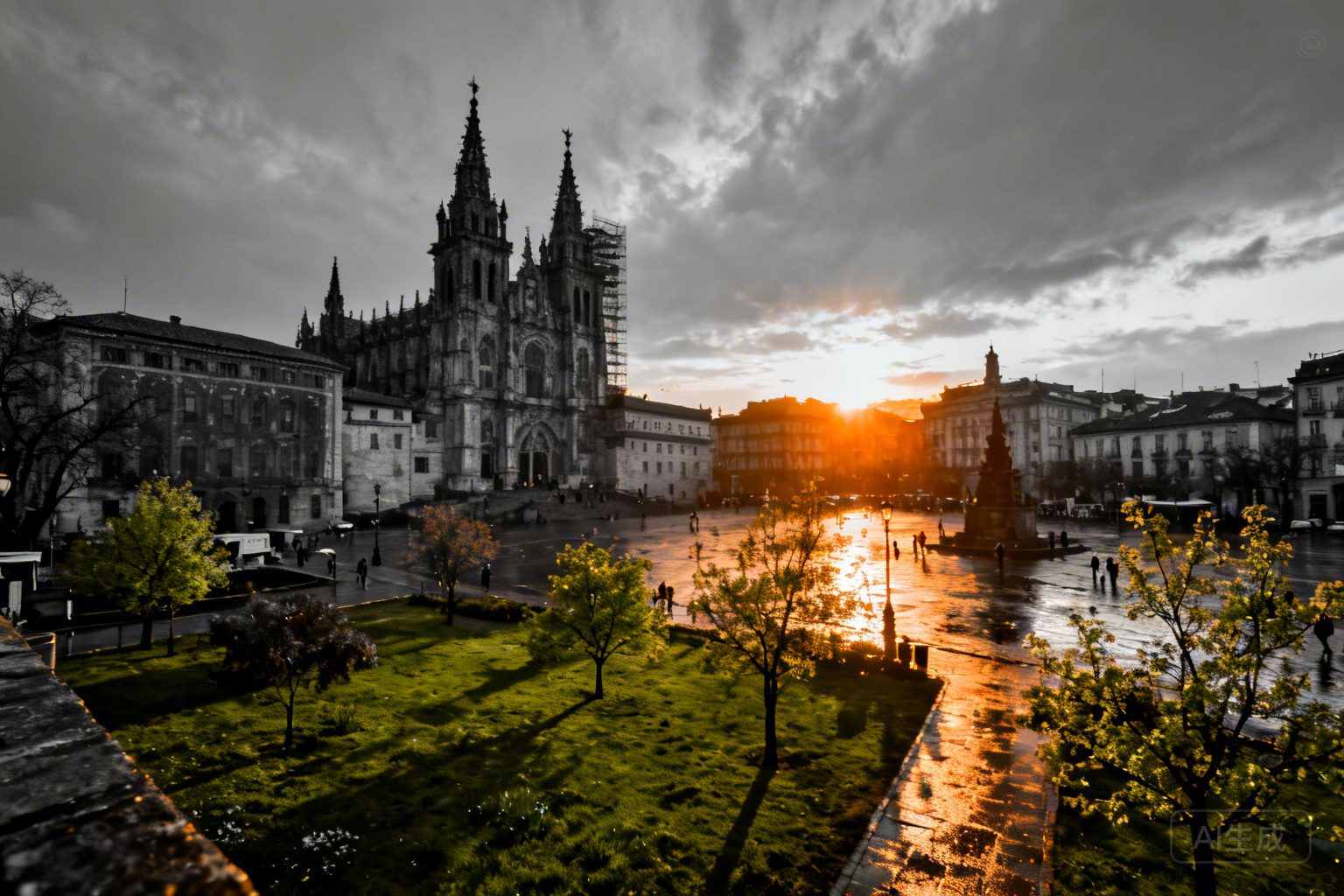
Your journey begins where the ghost of the Gilded Age lingers most palpably: the Largo de São Sebastião. The square is paved in the ondas—wavy black-and-white mosaics that mimic the meeting of the waters. At its center stands the Teatro Amazonas, a pink-and-white wedding cake of an opera house topped with a dome of 36,000 glazed ceramic tiles in the colors of the Brazilian flag. This is not just a building; it is an act of defiance. In 1896, the rubber kings wanted to hear Caruso sing while the jaguars screamed in the distance. They imported Italian marble, French glass, and English steel, paying for it with the “white gold” bled from the Hevea brasiliensis trees.
To enter the Teatro as a VIP is to arrange a private, after-hours viewing when the tour groups have retreated to their air-conditioned hotels. The air inside is cooler, smelling faintly of old floor wax and the ghosts of a thousand perfumes. Run your hand along the 100-year-old doors; the paint is peeling in microscopic flakes, revealing layers of history like the rings of a tree. The wood is hard, dense tropical mahogany that has survived a century of humidity that would have rotted European pine in a week. The brusque usher, a man named Edmilson with eyebrows like thickets of charred brush, nods toward the royal box. He has worked here for forty years, and his movements are as choreographed as the ballets that grace the stage.