Montevideo Travel Guide: How to Experience the City Like a VIP!
The Lavender Hour in Ciudad Vieja
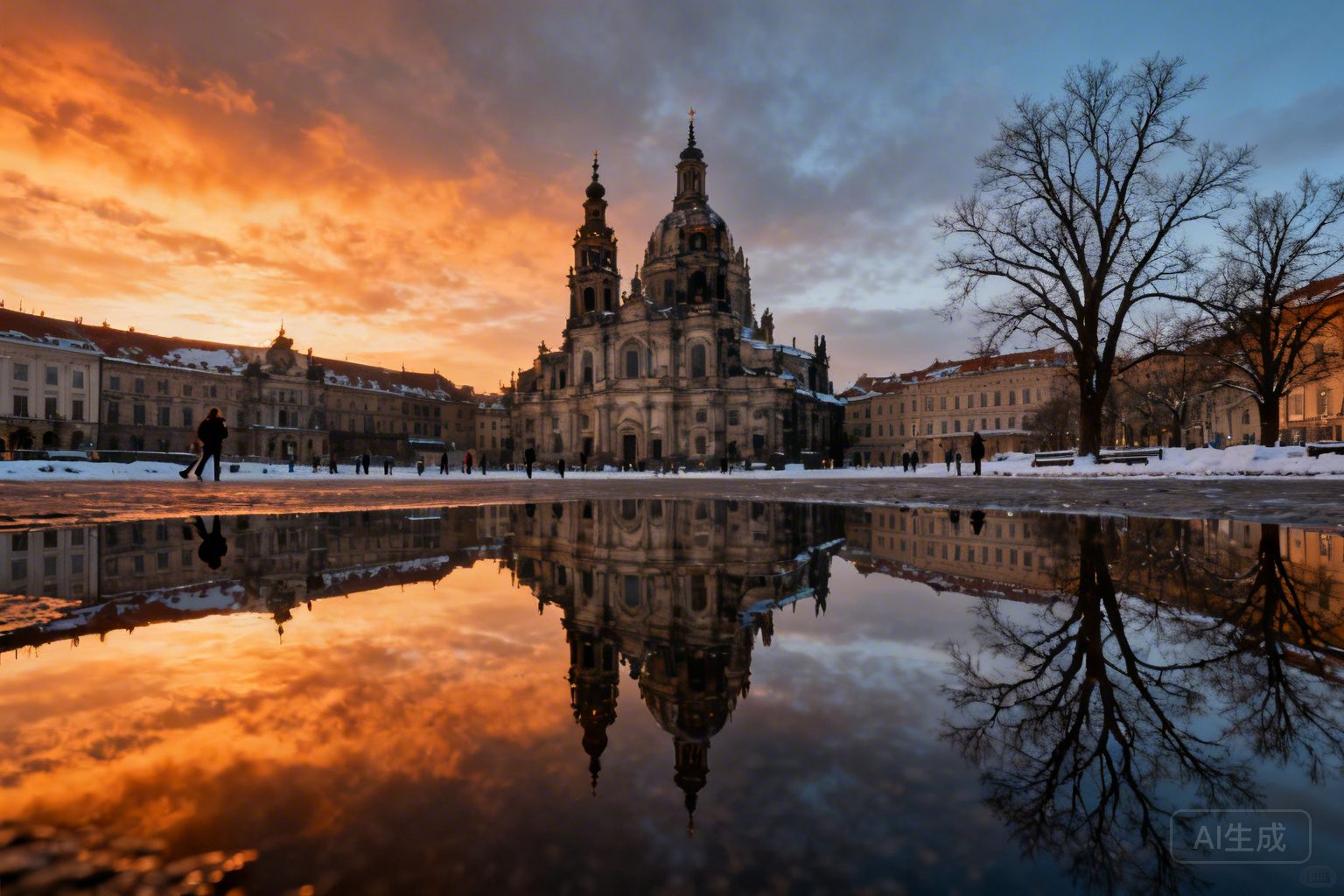
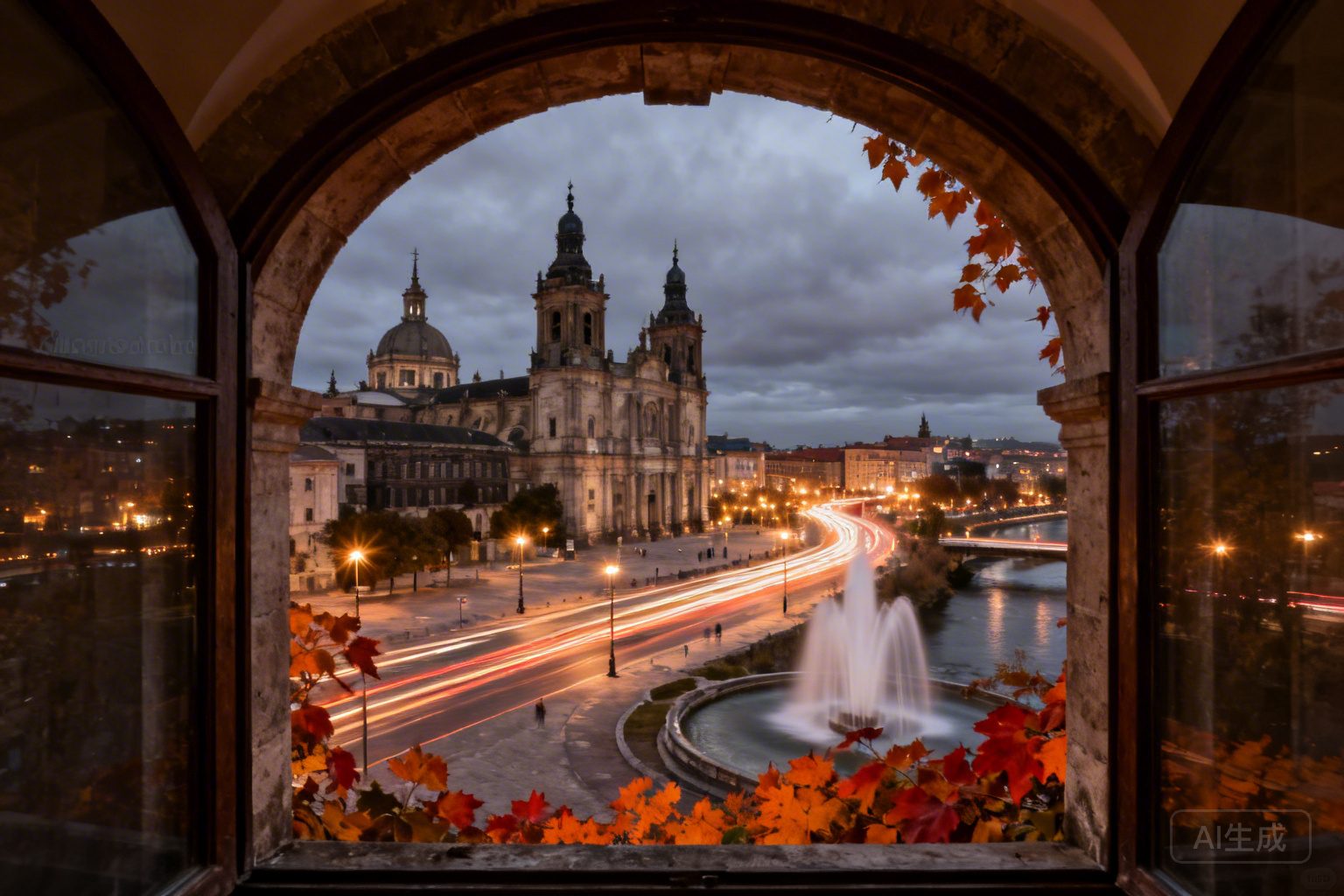
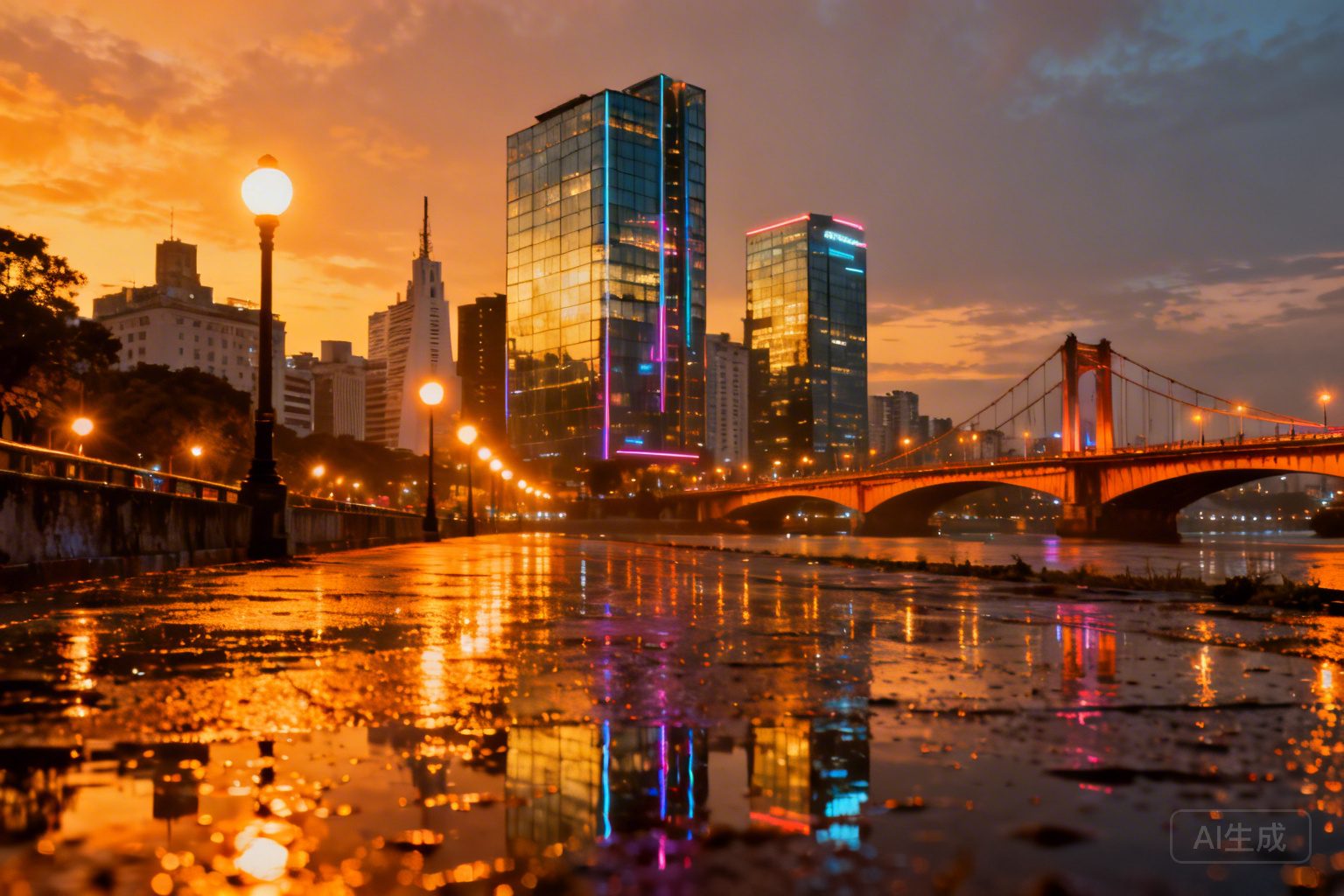
The light in Montevideo does not merely set; it dissolves. It is a slow, syrupy hemorrhage of violet and burnt gold that bleeds across the Rio de la Plata, a river so vast it masquerades as an ocean, its waters the color of a lion’s mane. To arrive here is to step into a cinematic frame that has been left out in the sun too long—faded, slightly curled at the edges, yet impossibly elegant. If Buenos Aires is the frantic, tango-obsessed elder sibling demanding your undivided attention, Montevideo is the quiet, cigarette-smoking intellectual leaning against a crumbling limestone balustrade, watching the tide come in with a smirk.
To experience this city like a VIP is not about skipping lines or flashing black cards. In Uruguay, ostentation is a social sin. No, the true “Very Important Person” here is the one who understands the luxury of the slow burn. It is the traveler who knows which unmarked door leads to a private cellar of Tannat grapes, and which street corner offers the perfect vantage point to hear the haunting, polyrhythmic ghost-call of the candombe drums. We begin where the city began: the Ciudad Vieja.
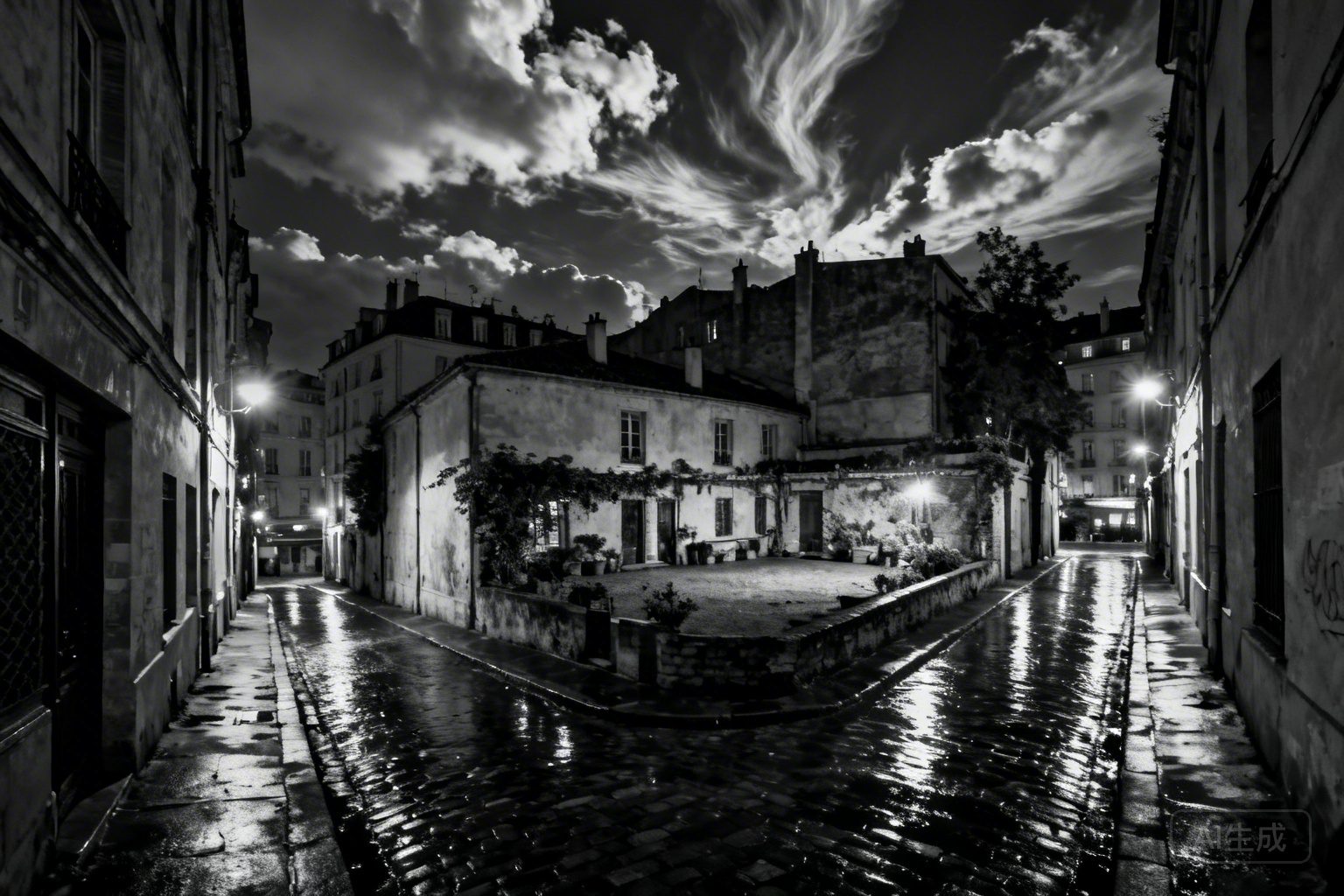
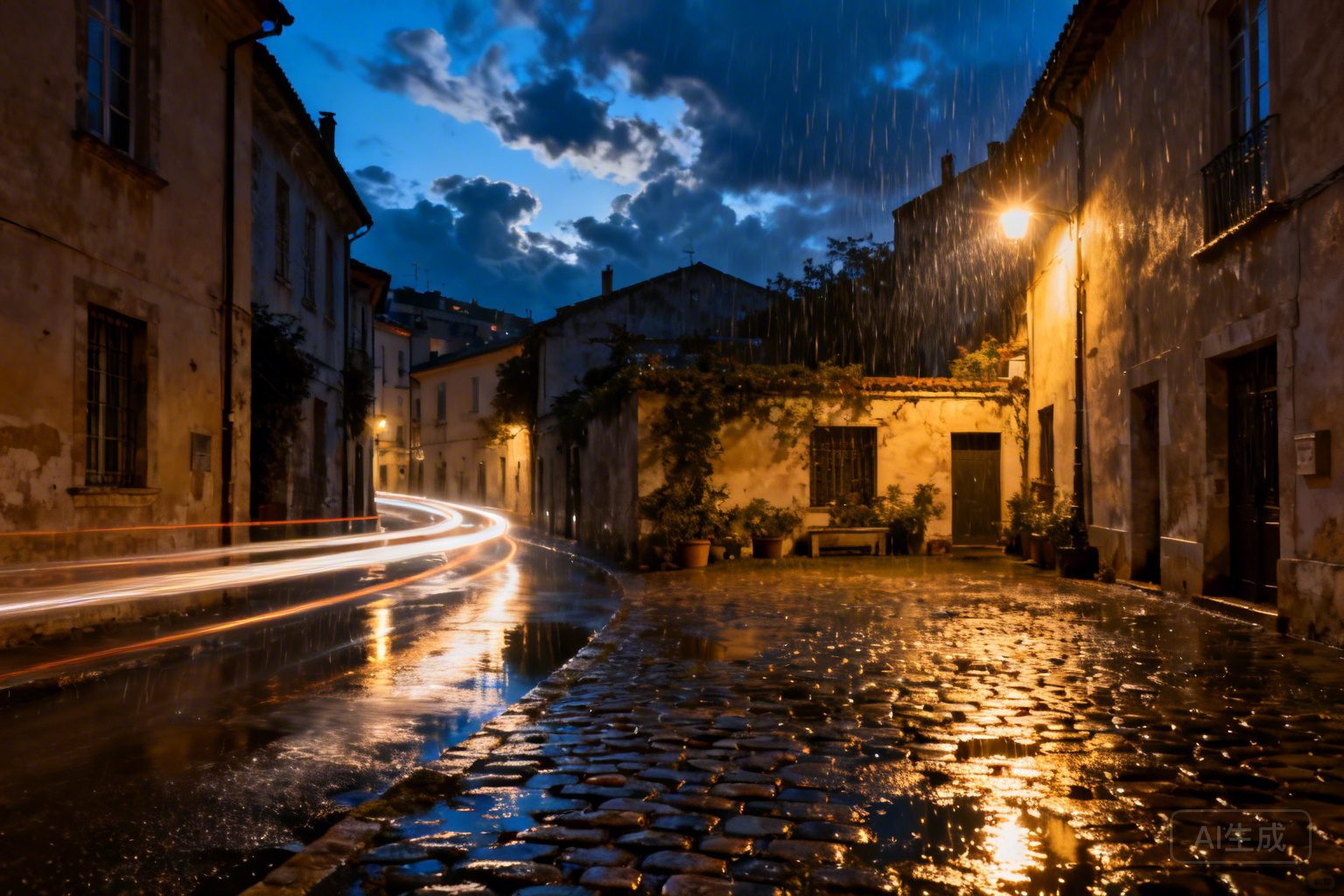
Walking through the Gateway of the Citadel is a sensory immersion into a decaying grandeur. The air smells of charred eucalyptus wood and the salt spray of the Atlantic. Here, the pavement is a mosaic of basalt and history. I find myself tracing the texture of a 100-year-old door on Calle Sarandí; the wood is quebracho, hard as iron, with layers of cerulean paint peeling back like the skin of a ripening fruit to reveal the grey timber beneath. The brass knocker, shaped like a lion’s paw, is cold and pitted by decades of humid sea air.
The rhythm of the morning is dictated by the street vendors. There is a specific, mournful pitch to the cry of the man selling diarios—a gravelly baritone that vibrates against the Art Deco facades. He wears a newsboy cap that has seen better decades and moves with the deliberate, heavy grace of a retired boxer. He ignores the frantic office workers—men in sharp, slim-cut navy suits who check their Rolexes while dodging the erratic trajectory of a stray dog—and focuses instead on the silent monk crossing the Plaza Independencia, whose brown wool habit catches the wind, billowing like a sail against the towering, eccentric shadow of the Palacio Salvo.