Night Owl’s Guide: 10 Alexandria Landmarks That Look Magical After Dark!
The Indigo Hour: A Nocturnal Cartography of Alexandria
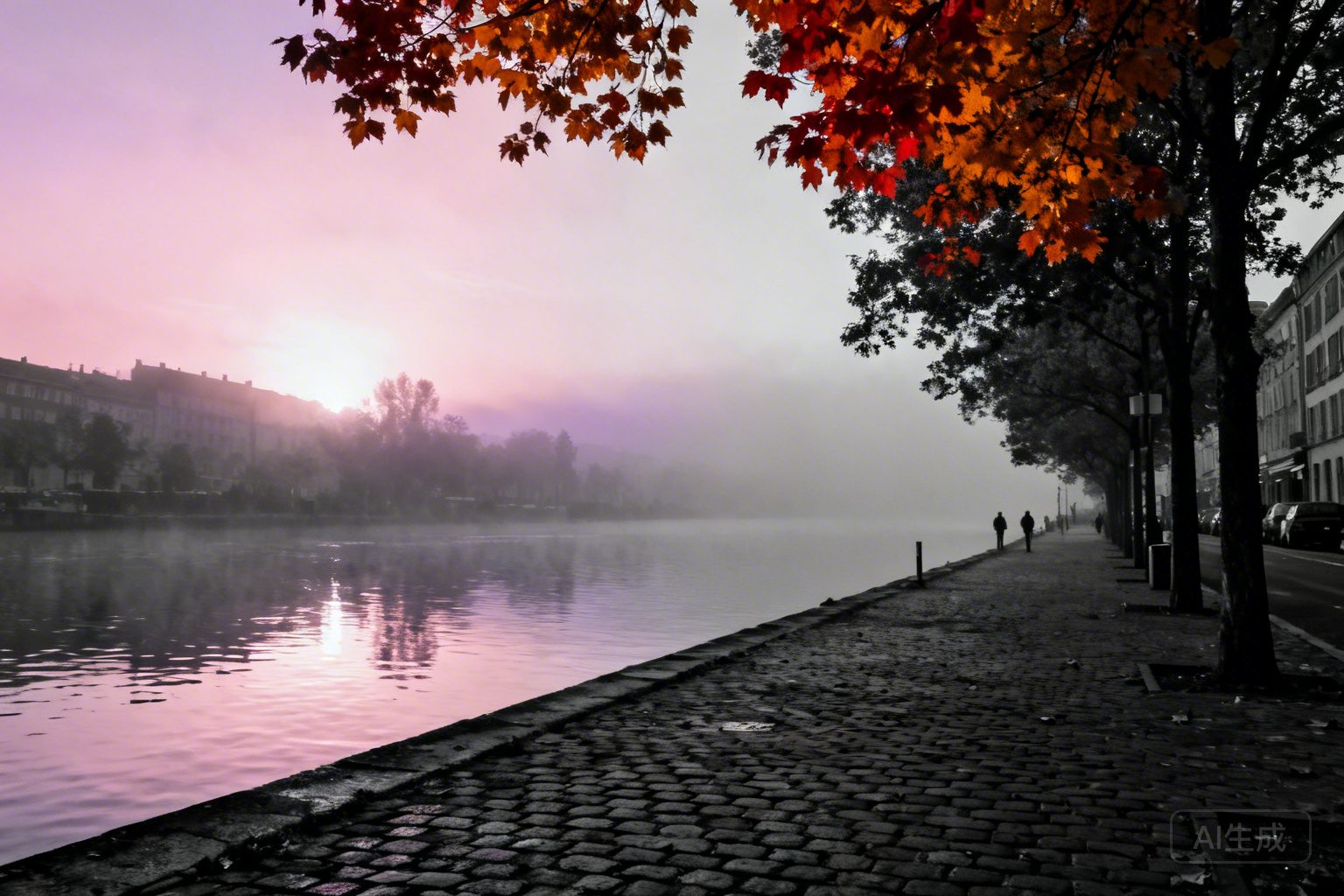
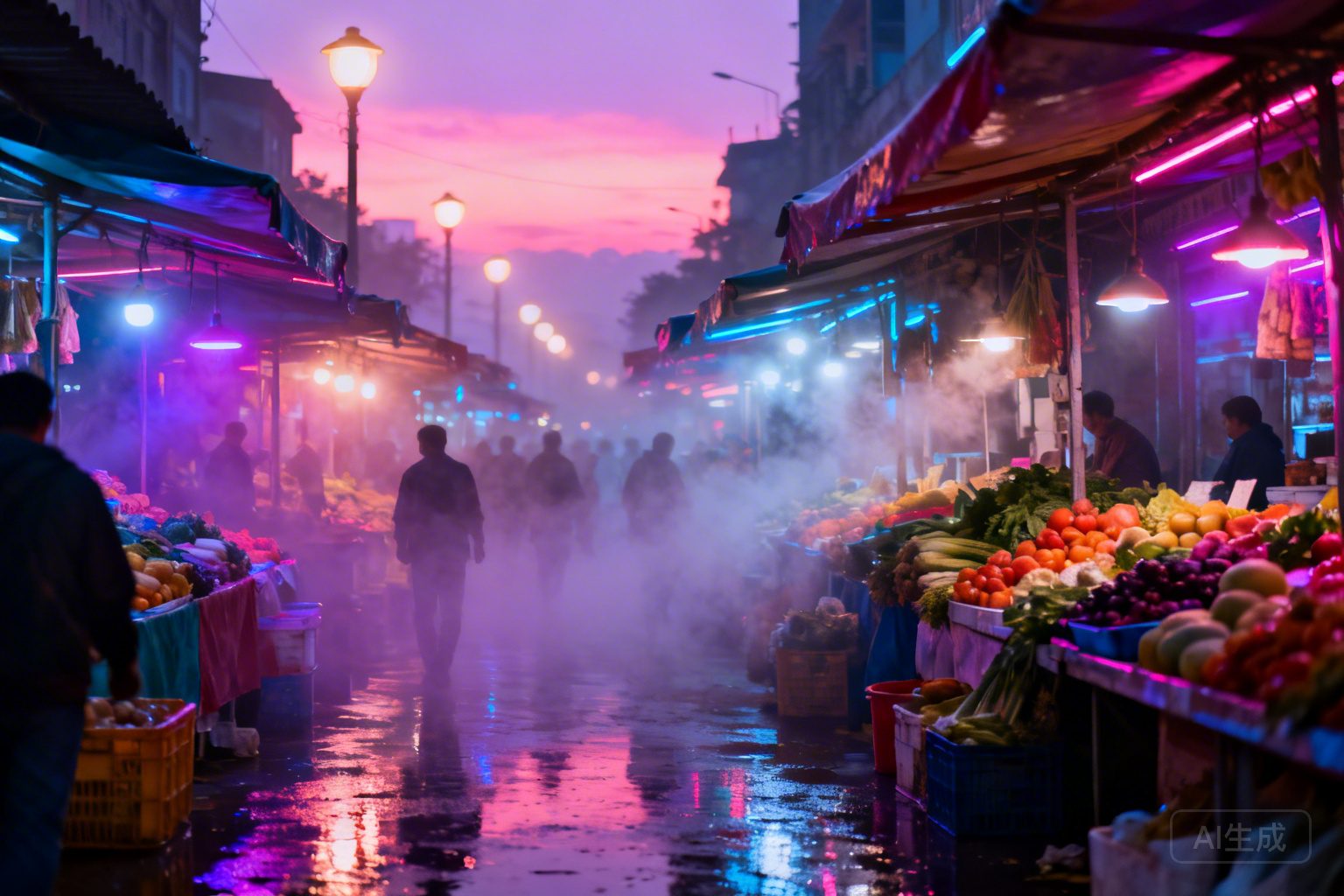
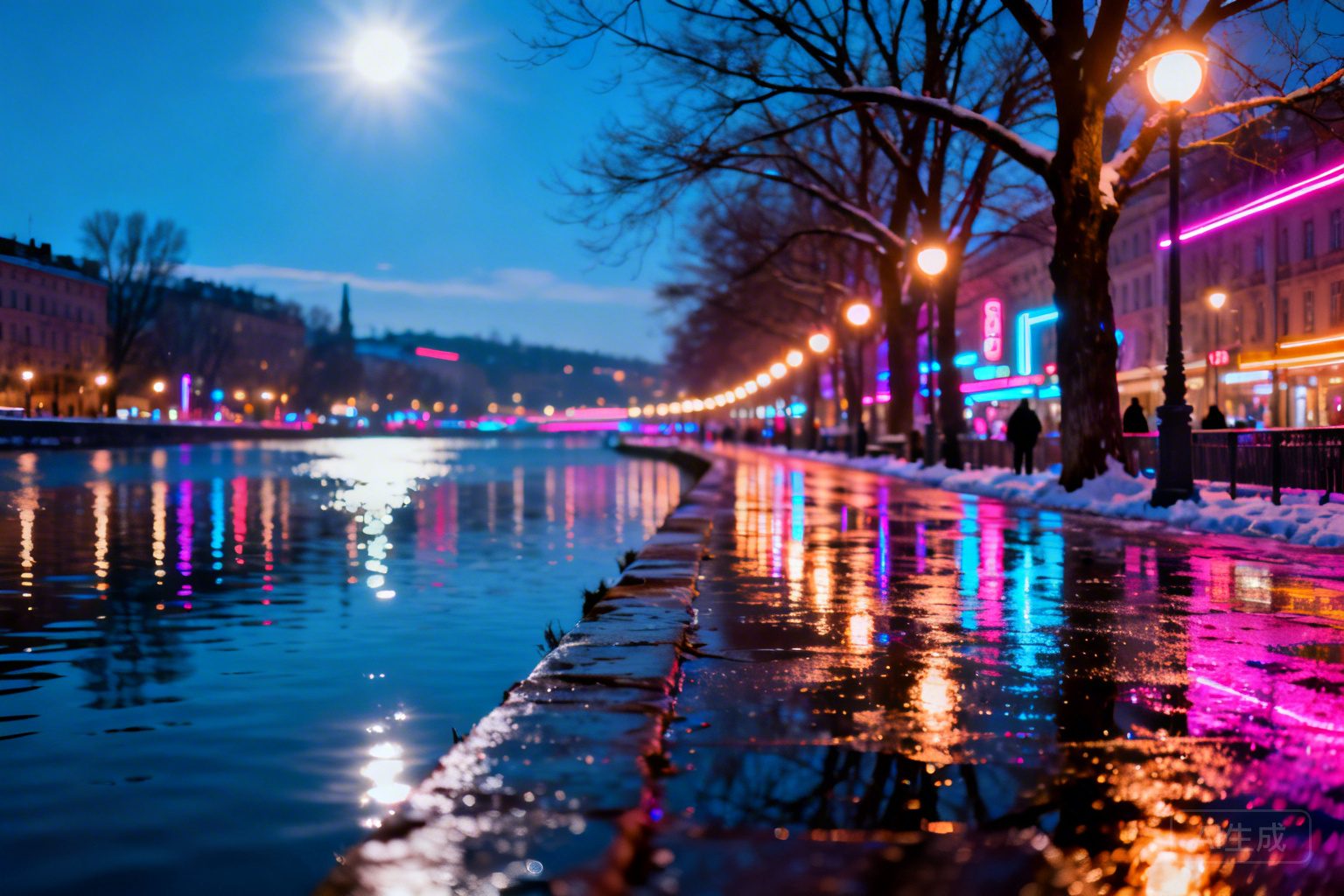
The Mediterranean does not simply meet Alexandria; it interrogates it. As the sun dips below the horizon, shedding its bruised oranges and violent violets for a deep, ink-wash indigo, the city sheds its frantic, dust-choked daytime skin. By day, Alexandria is a cacophony of screeching microbuses and the relentless glare of the Egyptian sun reflecting off pale limestone. But at night? At night, the city softens into a sprawling, salt-crusted dreamscape where the ghosts of Cleopatra and Cavafy whisper through the humid vents of basement coffee shops. To walk through Alexandria after dark is to navigate a labyrinth of memories, where the smell of brine mingles with the scent of roasted corn and the charcoal breath of water pipes.
I begin my pilgrimage at the edge of the world, or at least where the world ends in the Alexandrian imagination. The wind here, at the tip of the Corniche, is a living thing—damp, assertive, and smelling of ancient shipwrecks and rotting kelp. It carries the weight of a thousand miles of open water, cooling the sweat on my neck until it feels like a phantom finger tracing my spine.
1. Citadel of Qaitbay: The Silent Sentinel
Standing before the Citadel of Qaitbay at 9:00 PM, one realizes that stone can hold a grudge. The fortress rises from the foundations of the vanished Pharos Lighthouse, its honey-colored blocks now bleached silver by the moon. Under the floodlights, the texture of the masonry is revealed in brutal detail—the pockmarked scars of Ottoman cannonballs, the crystalline glitter of salt deposits, and the smooth, oil-slicked patches where decades of leaning shoulders have polished the rock.
Near the entrance, I encounter a man named Mahmoud. He is a vendor of luminous plastic toys, but he stands with the stillness of a statuary. His skin is the color of scorched teak, deeply lined around eyes that seem to be permanently squinting against a gale that ended forty years ago. He doesn’t shout. He simply flickers a neon-blue helicopter into the air, a lonely spark against the backdrop of the 15th-century ramparts. “The sea is angry tonight,” he mutters, not to me, but to the waves crashing against the tetrapods below with the rhythmic thud of a giant’s heartbeat. “She remembers what we’ve buried.”