Night Owl’s Guide: 10 Geneva Landmarks That Look Magical After Dark!
The Indigo Hour: A Midnight Cartography of Geneva
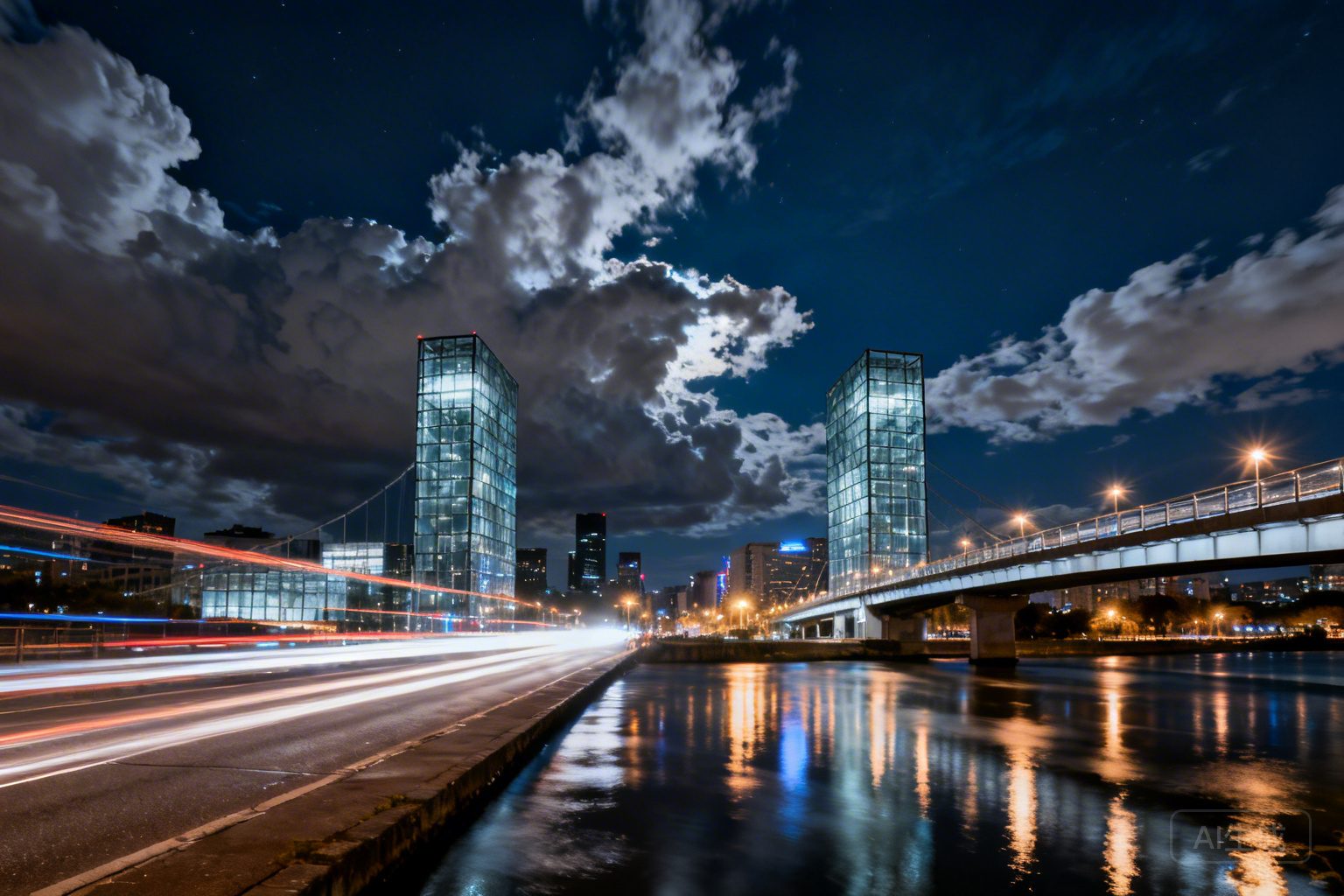
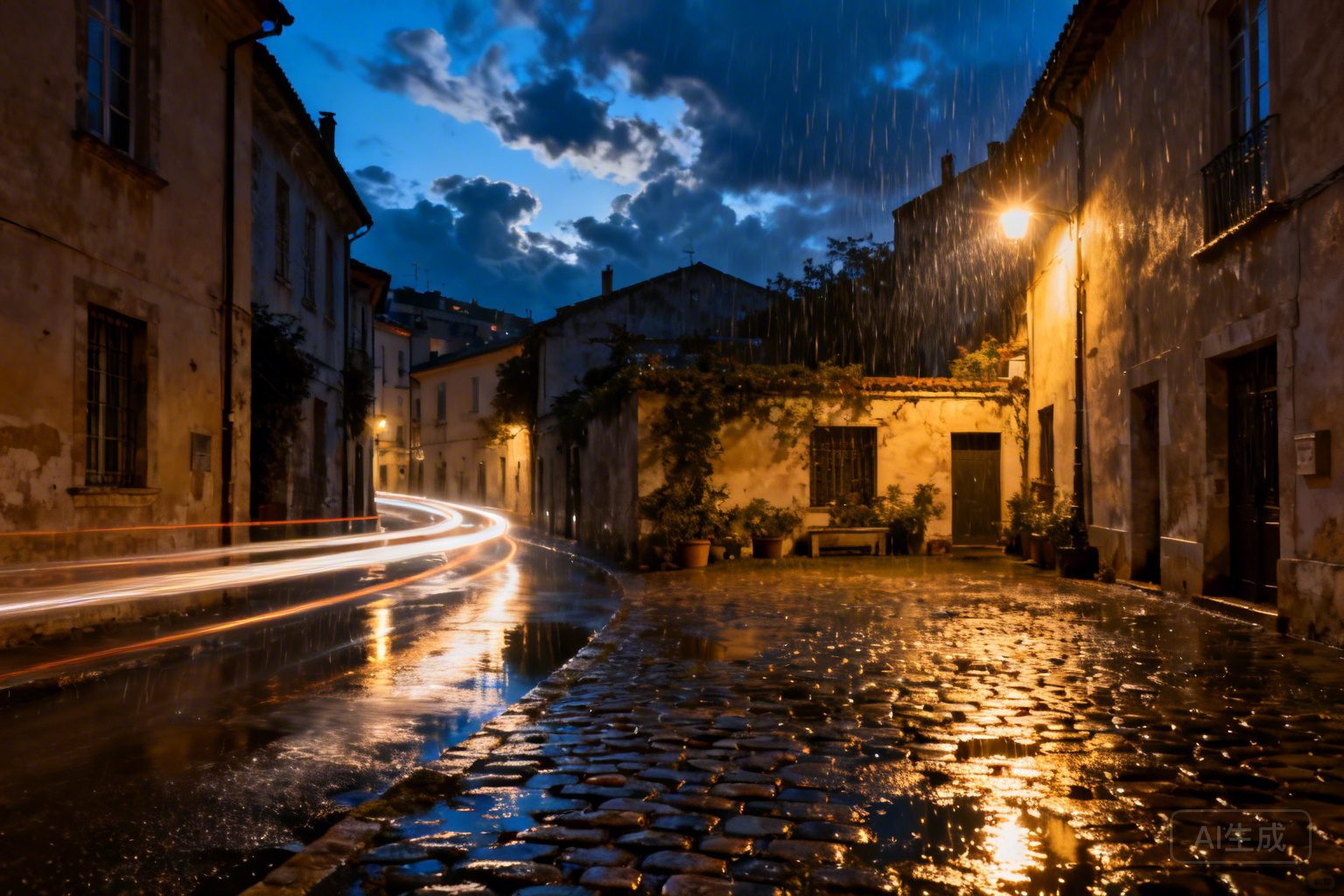
The transition happens precisely when the last orange sliver of sun dips behind the Jura Mountains, a jagged silhouette that looks, from the shoreline of Lac Léman, like the spine of a sleeping dragon. In daylight, Geneva is a city of Protestant rectitude—a clockwork landscape of private banks, steel-pressed suits, and the relentless, clinical pursuit of diplomacy. But as the streetlamps flicker to life with a collective, electric hum, the city undergoes a cellular change. The sharp edges of the Calvinist architecture soften. The lake, previously a functional turquoise, turns into a sheet of hammered obsidian. The air loses its crisp alpine bite and takes on the scent of roasting chestnuts, damp stone, and the faint, metallic tang of the trams sparking against overhead wires.
To walk Geneva at night is to navigate a city of ghosts and gold. It is a place where the silence is heavy, expensive, and punctured only by the rhythmic slap-slap of water against the hulls of wooden taxiboats. This is not the neon chaos of Tokyo or the frantic grime of New York. This is a controlled burn. A nocturnal theater where the past doesn’t just haunt the present—it polishes it.
1. The Jet d’Eau: A Pillar of Ghostly Light
I begin at the edge of the Quai Gustave-Ador. In the daytime, the Jet d’Eau is a tourist’s shorthand, a 140-meter plume of water that serves as a convenient compass point. But at night, when the floodlights hit the spray, it transforms into something celestial. It is no longer just water; it is a vertical river of crushed diamonds suspended against the black velvet of the sky. The sound is a low, subterranean thrum that vibrates in the soles of your shoes—a reminder of the five hundred liters of water being propelled skyward every second.
Standing near the jetty, I encounter the first of the night’s inhabitants: a lone fisherman, his face a map of deep creases and silver stubble, wearing a wax-coated jacket that smells of salt and old tobacco. He doesn’t look at the water fountain. He stares into the dark depths of the lake, his rod a thin needle of carbon fiber. He is a silent sentinel, indifferent to the grandeur behind him. The mist from the fountain drifts over the quay, settling on the skin like cold needles. The wind here, at the corner of the pier, is a restless thing—it tastes of snow-melt and distance.