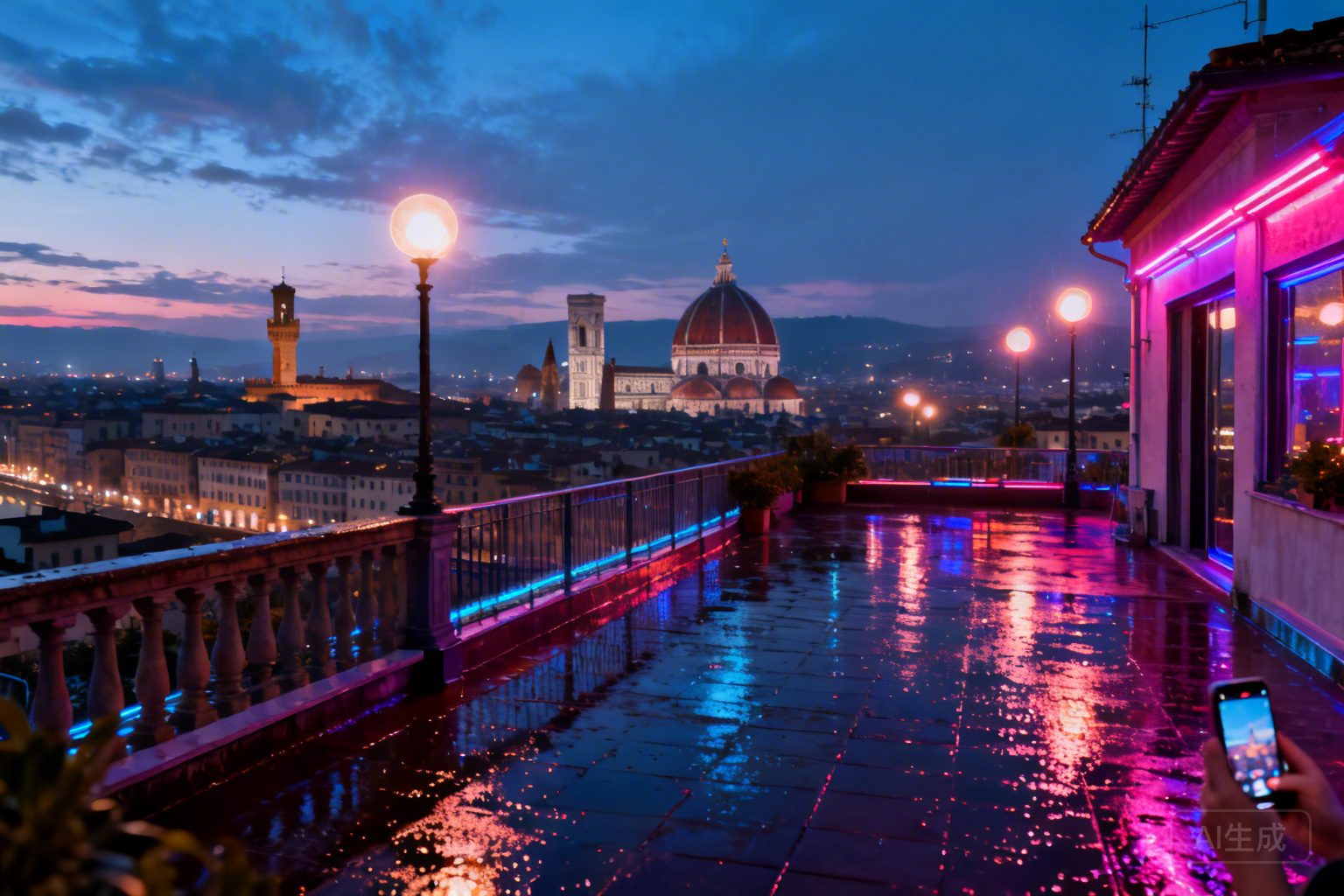
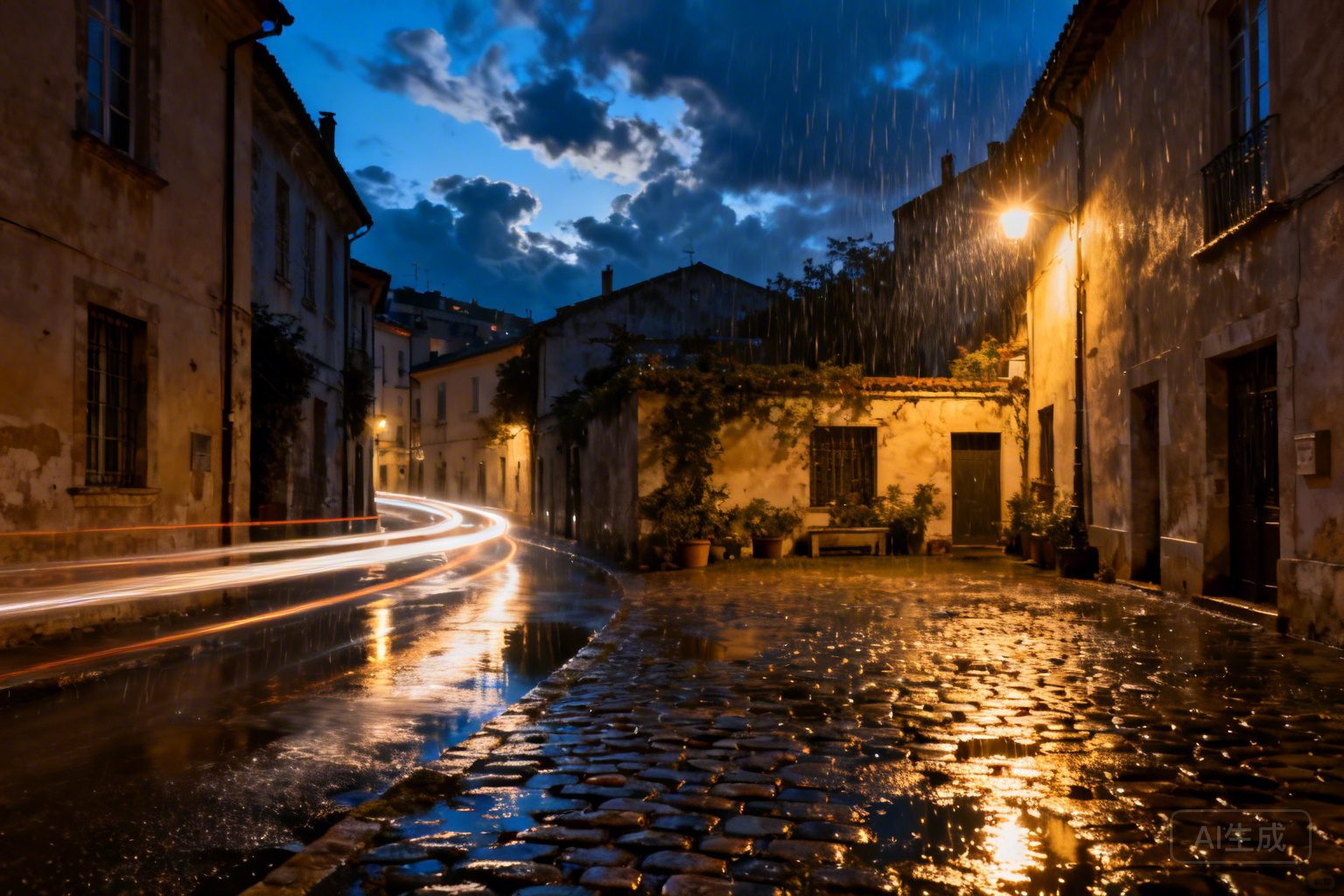
Night Owl’s Guide: 10 Nara Landmarks That Look Magical After Dark!
The Night Owl’s Masterclass: Nara After Dark
Most tourists treat Nara as a half-day appendage to their Kyoto itinerary. They arrive at 10:00 AM, get harassed by deer for two hours, snap a blurry photo of the Great Buddha, and flee back to Osaka by 4:00 PM. They are making a catastrophic mistake. When the sun dips behind Mt. Wakakusa, Nara transforms from a chaotic school-trip destination into a silent, cinematic masterpiece of shadow and stone. This is the definitive guide for the high-efficiency traveler who wants to see the soul of the ancient capital without the crowds.
1. Nigatsu-do Balcony (The Golden Hour Sentinel)
While the main Todai-ji hall closes early, the Nigatsu-do sub-complex remains open 24/7. This is the highest point in the temple grounds and offers a panoramic view of the Nara basin. After dark, the bronze lanterns lining the wooden veranda are lit, casting a flickering amber glow that hasn’t changed in centuries.
- Fact Sheet:
- Exact Location: 406-1 Zoshicho, Nara (Upper East side of Todai-ji).
- Opening Hours: 24/7 (Balcony access).
- Best Arrival Time: 5:14 PM (to catch the transition from blue hour to total darkness).
- Ticket Pricing: ¥0 (Free).
- Logistics: From Kintetsu Nara Station, take Bus #2 or #6 to “Todaiji Daibutsuden.” Walk 12 minutes uphill past the main hall.
2. Kasuga Taisha’s Stone Lantern Path
The approach to Kasuga Taisha features over 2,000 stone lanterns (ishi-doro). During the day, they look like mossy rocks. At night, with the moonlight filtering through the cedar canopy, the atmosphere is borderline supernatural. While the inner sanctuary closes, the main paths remain accessible, providing a silent, meditative hike.