Night Owl’s Guide: 10 Zanzibar Landmarks That Look Magical After Dark!
The Indigo Hour: A Descent into Zanzibar’s Nocturnal Soul
The sun does not merely set in Zanzibar; it surrenders. It collapses into the Mozambique Channel in a bruised palette of violet and burnt ochre, leaving behind a humidity that clings to your skin like a damp silk shroud. As the final call to prayer echoes from the minarets of Stone Town—a polyphonic weave of devotion that vibrates in the marrow of your bones—the island undergoes a cellular shift. The daytime tourists, with their zinc-slathered noses and frantic souvenir lists, retreat to the sanitized safety of their air-conditioned resorts.
That is when the Night Owls emerge. That is when the labyrinth breathes.
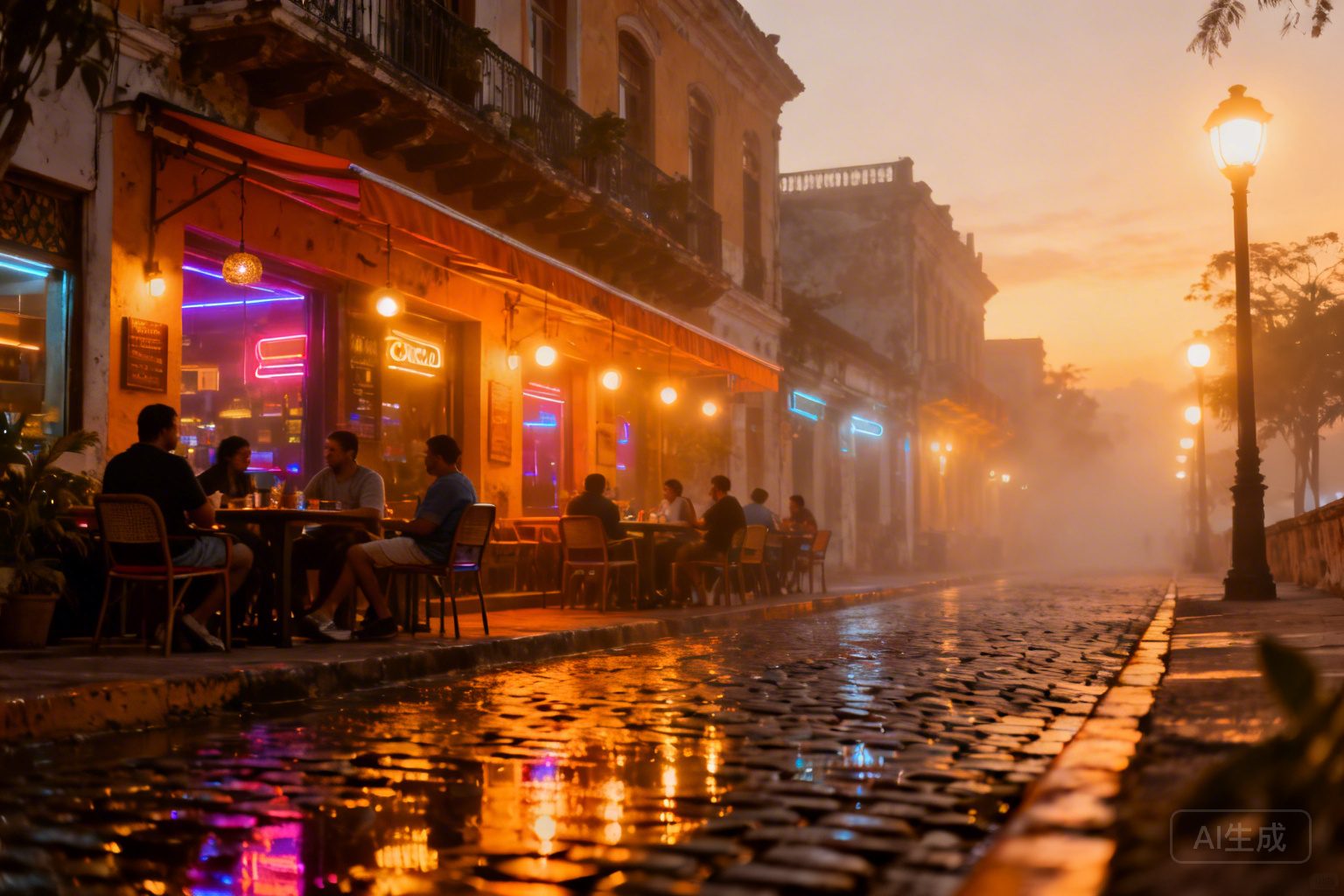
To walk Zanzibar after dark is to navigate a geography of shadows and spice. The air is no longer just air; it is a soup of clove, drying octopus, charcoal smoke, and the briny, ancient breath of the Indian Ocean. The limestone walls of Stone Town, porous and crumbling, seem to exhale the heat they’ve stored since the nineteenth century. I find myself standing at the mouth of a narrow alleyway, my fingers tracing the jagged topography of a brass-studded Omani door. The wood is weathered to the texture of a sun-bleached bone, yet it feels hum with a secret, dormant energy. This is not a city of straight lines. It is a city of curves, whispers, and ten specific landmarks that demand a moonlit audience.
1. The Forodhani Gardens: A Culinary Seance
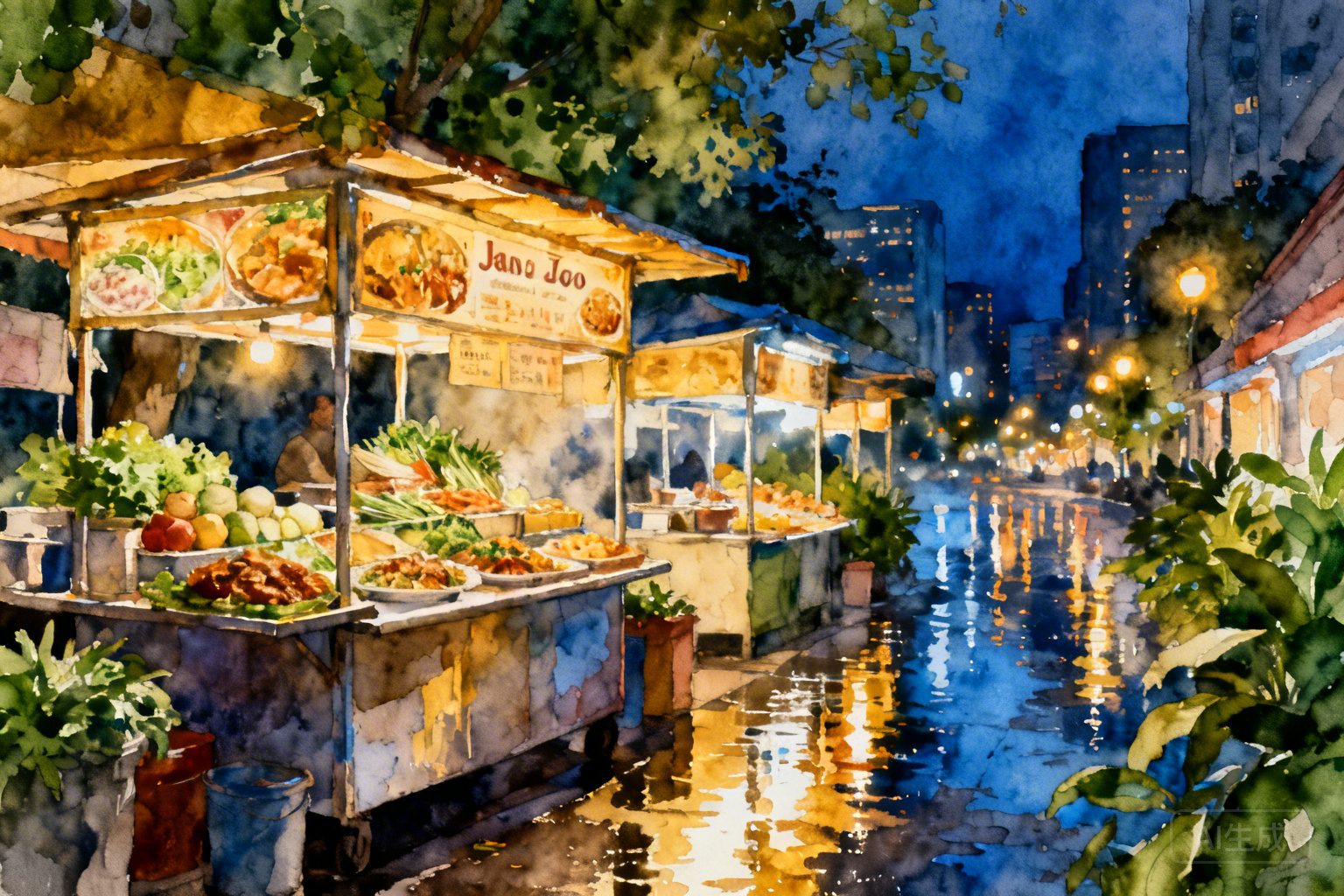
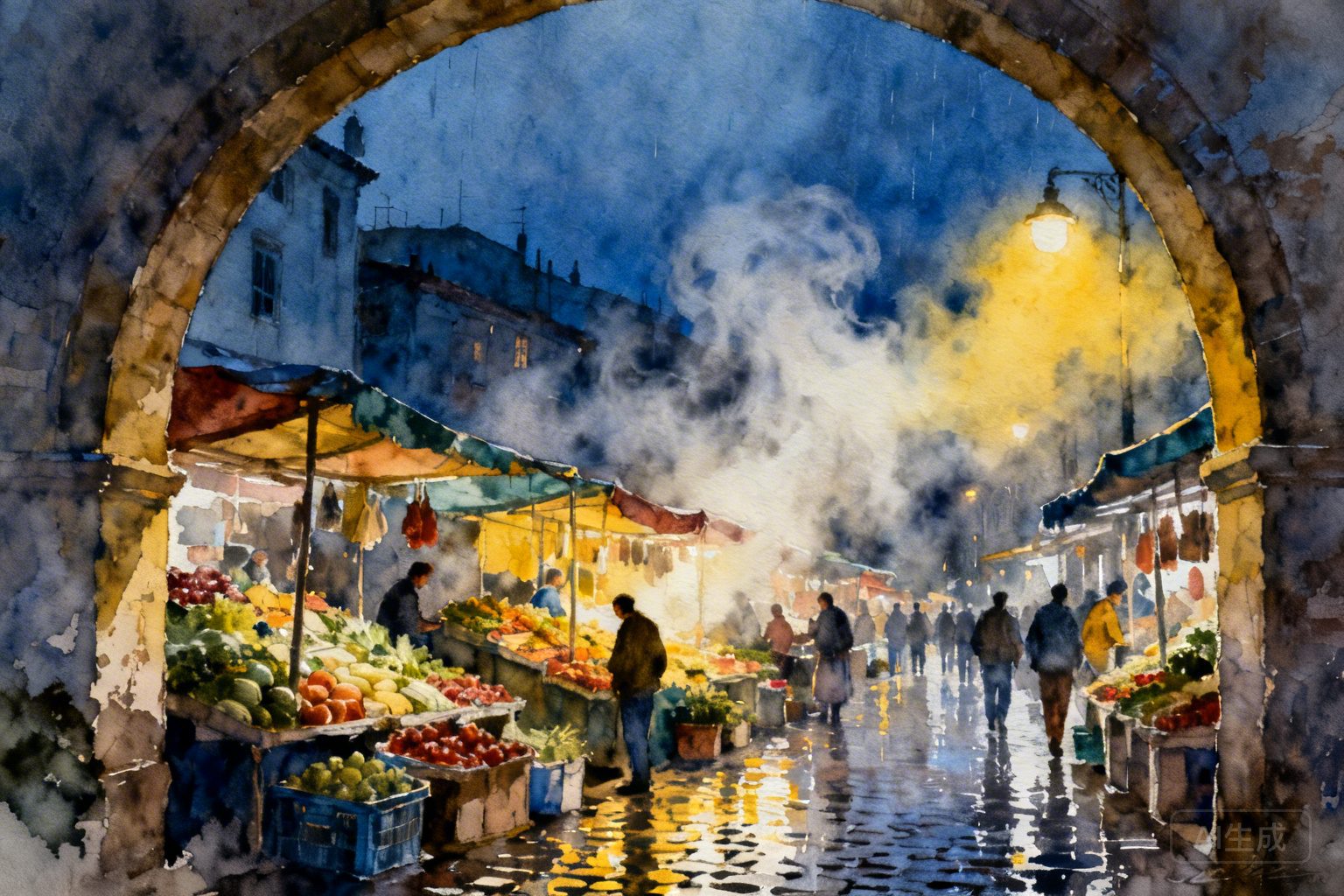
My journey begins where the land meets the liquid abyss. By day, Forodhani is a dusty park; by night, it is a theater of fire. The transformation is heralded by the rhythmic thwack-thwack of dough hitting wooden boards. I watch a chef, his apron stained with the chronicles of a thousand crepes, flip a Zanzibar pizza with the nonchalance of a card sharp. He is a man of frantic efficiency, his brow glistening with a fine dew of sweat that reflects the flickering kerosene lamps.