Oslo on a Shoestring: 15 Incredible Things to Do for Under $20!
The Silver-Blue Silence of the North
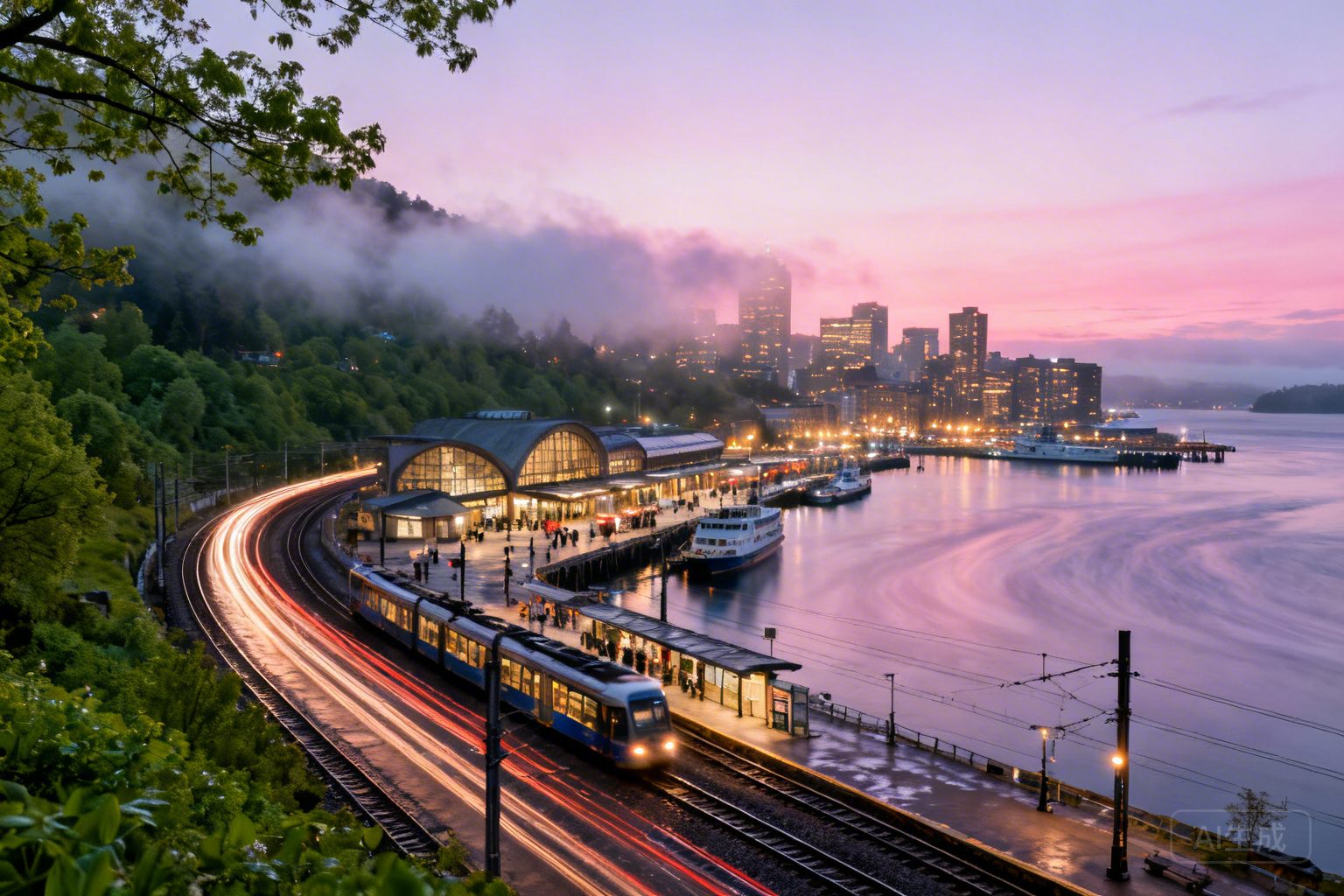
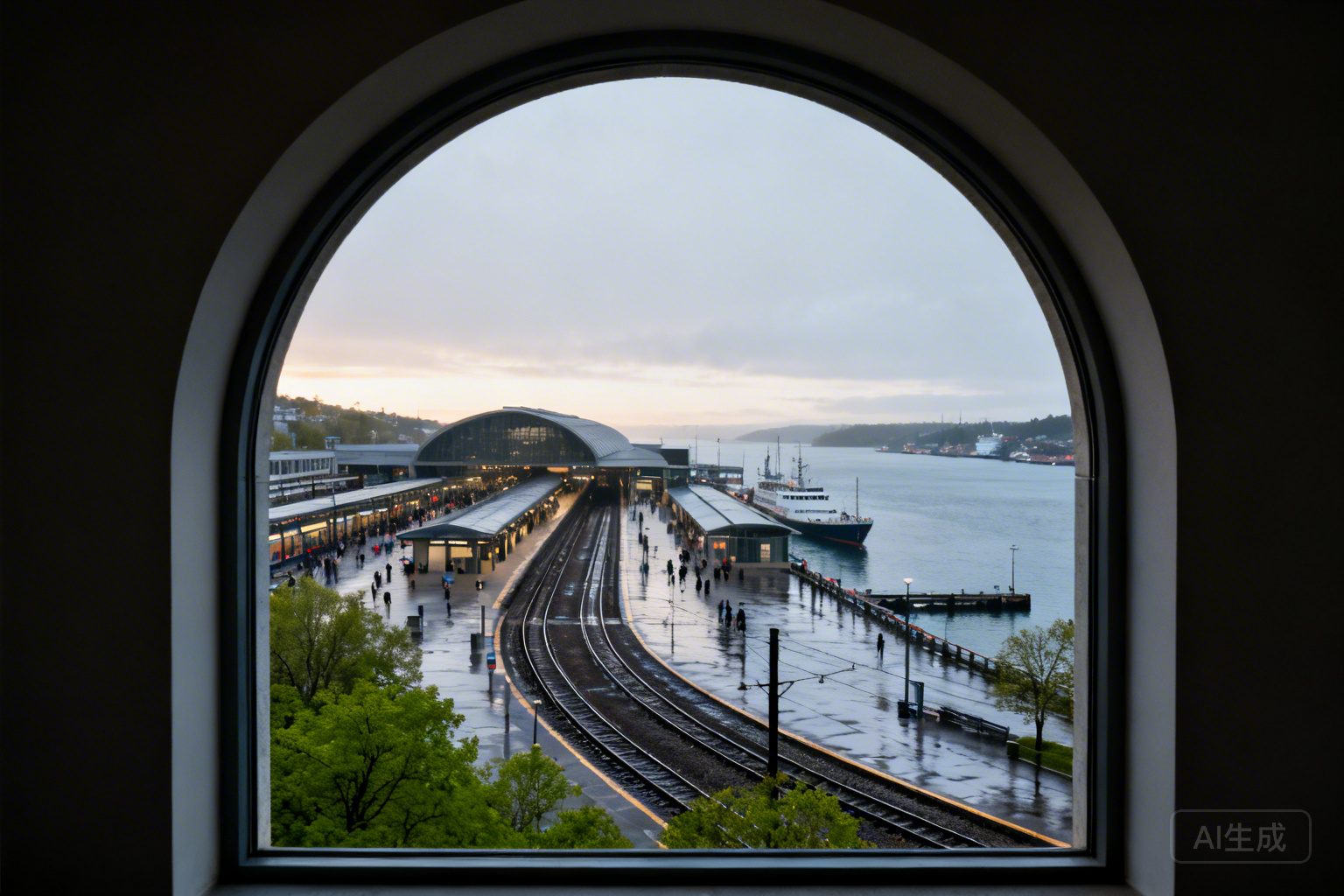
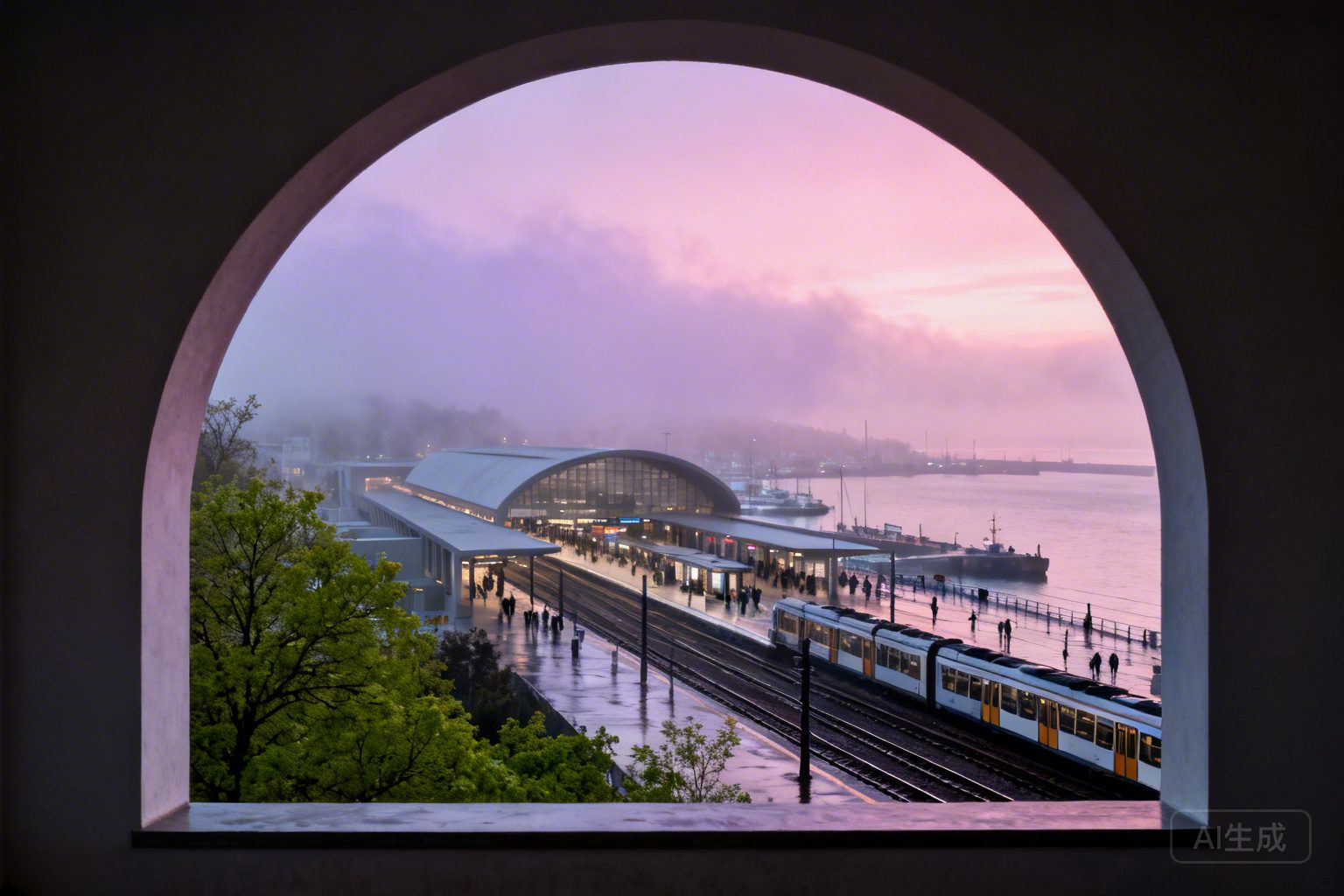
The dawn over the Oslofjord is not a sunrise in the traditional, postcard sense; it is a slow, agonizing bruise of violet and slate that eventually heals into a pale, translucent blue. I stood on the pier behind the Aker Brygge complex, the wind slicing through my wool coat with the precision of a surgical blade. It is a common misconception that Oslo is a city designed exclusively for the billionaire class, a glittering playground of electric Porsches and $18 lattes. But as the fog began to lift, revealing the jagged, geometric silhouette of the Opera House, I realized that the city’s true soul is remarkably accessible, provided you are willing to walk until your shins ache and look where the tourists do not.
Norway is a country built on the concept of Allemannsretten—the right to roam. It is a legal mandate for the spirit. Here, the land belongs to everyone, and the city, by extension, yields its secrets to those who approach it with a certain frugal reverence. My pockets were light, but the air felt heavy with the scent of brine and roasting coffee, a combination that defines the sensory architecture of this Nordic capital.
1. The Floating Glacier: Scaling the Opera House
My journey began at the Operahuset, a building that looks less like a theater and more like a tectonic plate sliding into the sea. It cost nothing to climb its sloping white marble roof. The stone beneath my boots was textured, slightly sandblasted to prevent a disastrous slide into the icy waters of the Bjørvika. I watched a frantic office worker—a man in a sharp navy suit, his tie fluttering like a dying bird over his shoulder—sprint across the marble, checking his watch with a grimace that suggested the entire Norwegian economy might collapse if he were thirty seconds late for his meeting.
From the crest, the city reveals its contradictions. To the left, the “Barcode” district—a series of high-rise buildings that mimic a literal supermarket scan code—gleams with the cold indifference of late-stage capitalism. To the right, the ancient Akershus Fortress stands guard, its stone walls moss-grown and stoic. The wind up here has a specific pitch, a low, melodic hum as it whistles through the steel cables of the nearby footbridges. It is a place to stand and breathe for free, watching the ferries churn the water into a frothy, caffeinated white.