Phuket’s Best Restaurants: 10 Culinary Hotspots You Simply Can’t Miss!
The Turmeric-Stained Soul of the Pearl
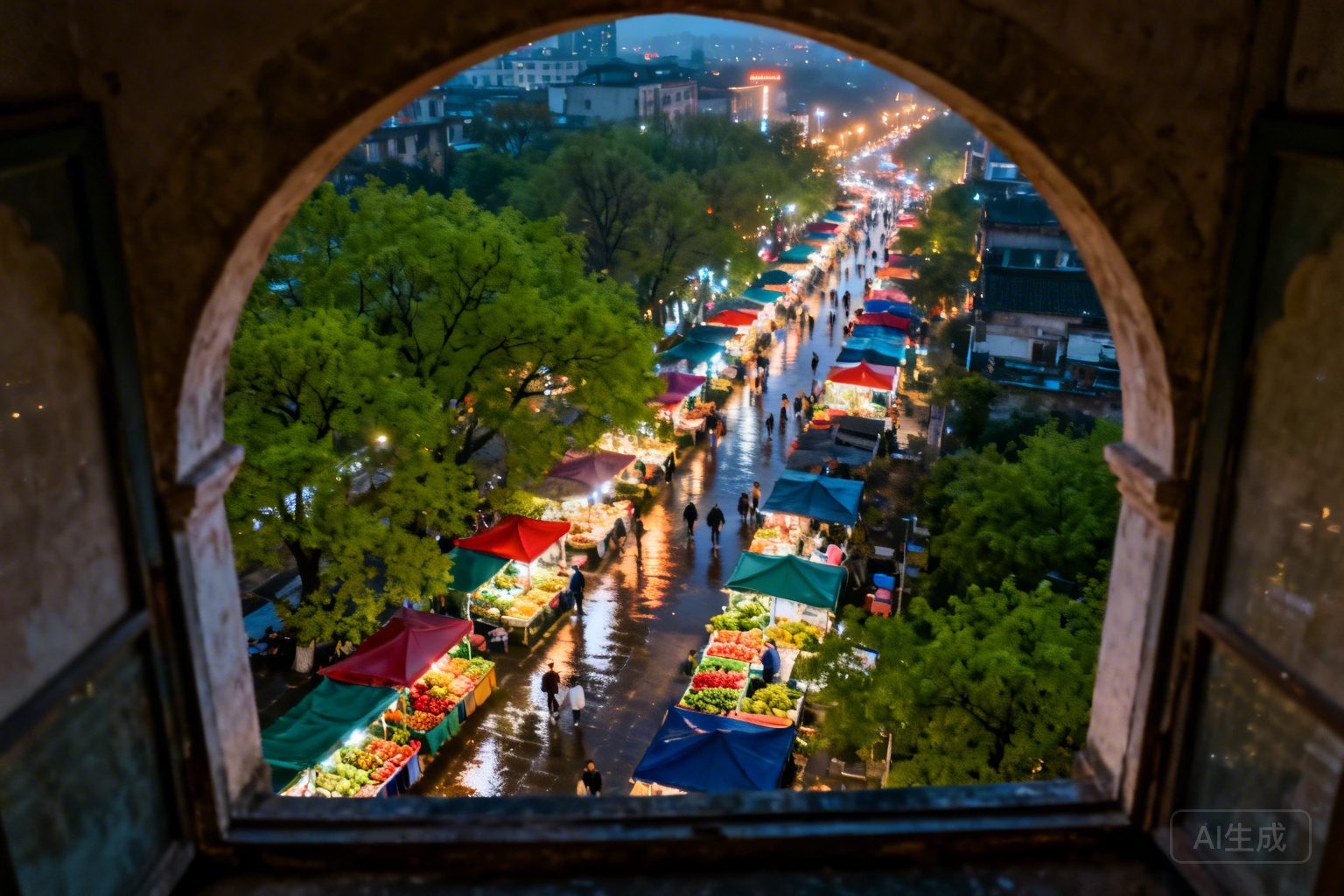
The humidity in Old Phuket Town doesn’t just sit on your skin; it drapes itself over you like a heavy, sodden velvet curtain, smelling faintly of diesel exhaust, fermenting shrimp paste, and the ghost of the tin-mining boom that built this labyrinth. I stand on the corner of Thalang Road, where the Sino-Portuguese shophouses lean against one another like tired, elegant grandmothers in faded pastel dresses. The paint on a hundred-year-old teak door is peeling in jagged, salt-crusted flakes, revealing layers of indigo, ochre, and crimson—a stratigraphic record of a century’s worth of monsoon rains. A silent monk passes, his saffron robes a startling, vibrant shock against the grey macadam, the soles of his bare feet making no sound as they navigate the blistering pavement.
Phuket is often dismissed as a neon-lit playground for the sunburned and the weary, a place of plastic buckets and overpriced jet skis. But to eat here—truly eat here—is to engage in a sensory excavation of a culture that sits at the crossroads of the Hokkien Chinese, the seafaring Malays, and the indigenous Thais. The air vibrates with the specific, rhythmic tock-tock-tock of a heavy cleaver meeting a wooden chopping block. It is a high-pitched, percussive symphony that signals the start of the day’s ritual.
1. Raya: The Ancestral Altar of Spice
Entering Raya is less like walking into a restaurant and more like trespassing into the private memories of a vanished aristocracy. Housed in a converted 20th-century mansion, the floor tiles are cold, patterned encaustic squares that have been smoothed to a dull sheen by a million passing footsteps. I watch a brusque waiter—a man whose face is a roadmap of permanent skepticism—flick a white linen cloth over a table with the practiced indifference of a croupier.
You come here for the Moo Hong. It is not merely braised pork belly; it is a masterclass in the chemistry of patience. The fat has been rendered until it possesses the structural integrity of a cloud, shimmering in a dark, viscous pool of soy, garlic, and black pepper. Across the room, a frantic office worker in a crisp white shirt hunches over his bowl, his tie tucked into his placket, inhaling the steam as if it were oxygen. The Crab Meat Curry with Betel Leaves arrives next, a yellow so intense it looks radioactive. The heat doesn’t scream; it blooms, a slow-release fire that starts at the back of the throat and radiates toward the ears, tempered by the metallic, peppery bite of the leaves.