Shop ‘Til You Drop: The Coolest Stores in Oaxaca You Need to Check Out!
The Ochre Labyrinth: A Slow Burn Through Oaxaca’s Creative Soul
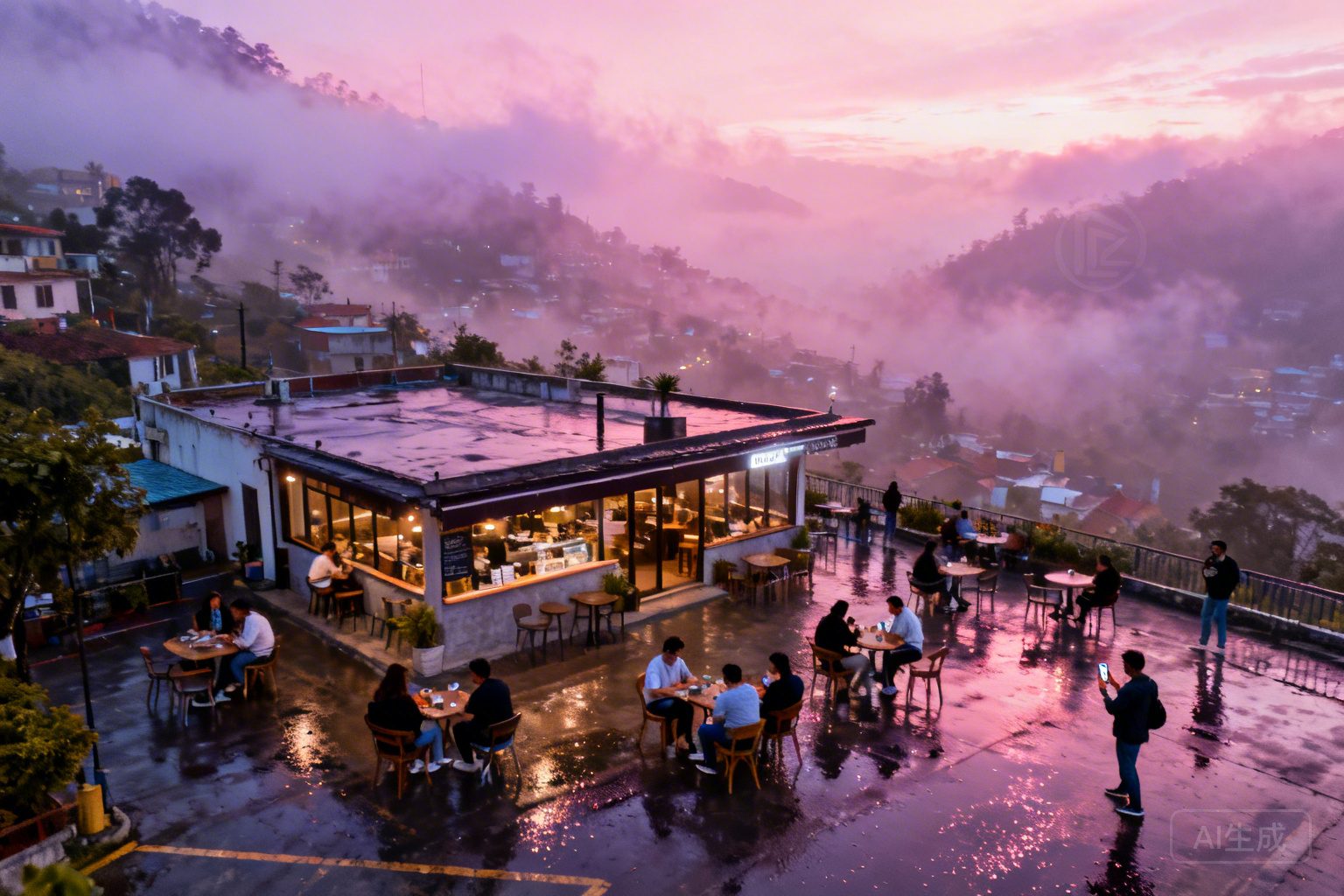
The dawn in Oaxaca de Juárez does not arrive with a whisper; it arrives with the percussive slap of masa against palms and the smell of roasting cacao that clings to the humid morning air like a second skin. At 6:30 AM, the light is a bruised violet, catching the jagged edges of the Sierra Norte mountains that frame this high-altitude valley. I am standing on the corner of Calle de Macedonio Alcalá, where the green volcanic cantera stone of the buildings seems to drink the remaining shadows. The air is cool, a sharp contrast to the liquid heat that will settle by noon, and it carries the metallic tang of exhaust from a passing 1980s Volkswagen Beetle, its engine sputtering a rhythmic staccato against the cobblestones.
To shop in Oaxaca is not an act of consumerism; it is a slow-motion excavation of a civilization. You are not buying objects; you are negotiating with ghosts, traditions, and the fierce, protective pride of the Zapotec and Mixtec lineages. Here, the “coolest” stores are not found in glass-fronted malls. They are hidden behind heavy, iron-studded doors where the paint peels in rhythmic flakes—shades of terracotta, indigo, and marigold layered like geological strata. Each door is a portal. You push, the rusted hinge groans a low D-minor, and suddenly, the roar of the street evaporates into a courtyard filled with ferns and the quiet drip of a stone fountain.
I. The Alchemy of Thread: Colectivo 1050° and the Earth Made Form
My first stop is a pilgrimage to the tactile. At Colectivo 1050°, the pottery isn’t just ceramic; it is the literal crust of the earth, fired in pits and polished with river stones until it glows with a prehistoric luster. I run my thumb over a barro negro carafe. The texture is impossibly smooth, yet it retains a certain grit, a memory of the mud.
The woman behind the counter—let’s call her Elena—is a study in stillness. She wears her silver hair in two tight braids, and she watches me with the weary patience of someone who has seen a thousand tourists try to understand the soul of a pot in five minutes. She doesn’t offer a sales pitch. She simply points to a smudge of carbon on a plate. “The smoke chose that spot,” she says, her voice a dry rasp. “We do not argue with the fire.”