Shop ‘Til You Drop: The Coolest Stores in Samarkand You Need to Check Out!
The Blue Dome Hallucination
The light in Samarkand does not simply illuminate; it interrogates. At 6:00 AM, the sun crests the horizon of the Zeravshan Range, hitting the turquoise tiles of the Registan with a frequency that feels less like optics and more like a physical weight. It is a blue so aggressive it demands a new vocabulary—cobalt, lapis, cerulean, and then something nameless, a shade born of ground minerals and fourteenth-century ego. I stand at the edge of the square, the air tasting of dry dust and the faint, yeasty exhales of the city’s many subterranean bakeries. A street sweeper, a woman in a floral headscarf whose face is a topographical map of eighty Central Asian winters, moves her broom of bundled twigs with a rhythmic shush-shush. She does not look at the monuments. To her, the gold-leafed interior of the Tilya-Kori Madrasah is merely the backdrop to the morning’s debris.
Samarkand is not a city you visit; it is a city you negotiate with. For three millennia, it has sat at the crossroads of the Silk Road, a place where commerce was never just about the exchange of currency for goods, but the exchange of soul for story. To shop here is to participate in an ancient theater of the absurd. You are not buying a rug; you are buying the three years a girl spent in a mountain village losing her eyesight to the intricate demands of a pomegranate pattern. You are not buying a knife; you are buying the resonance of steel forged in the memory of Tamerlane’s conquests.
I begin my descent into the city’s commercial heart, moving away from the curated majesty of the UNESCO sites and toward the grit of the living bazaar.
The Scent of Siyob: Where Bread is Currency
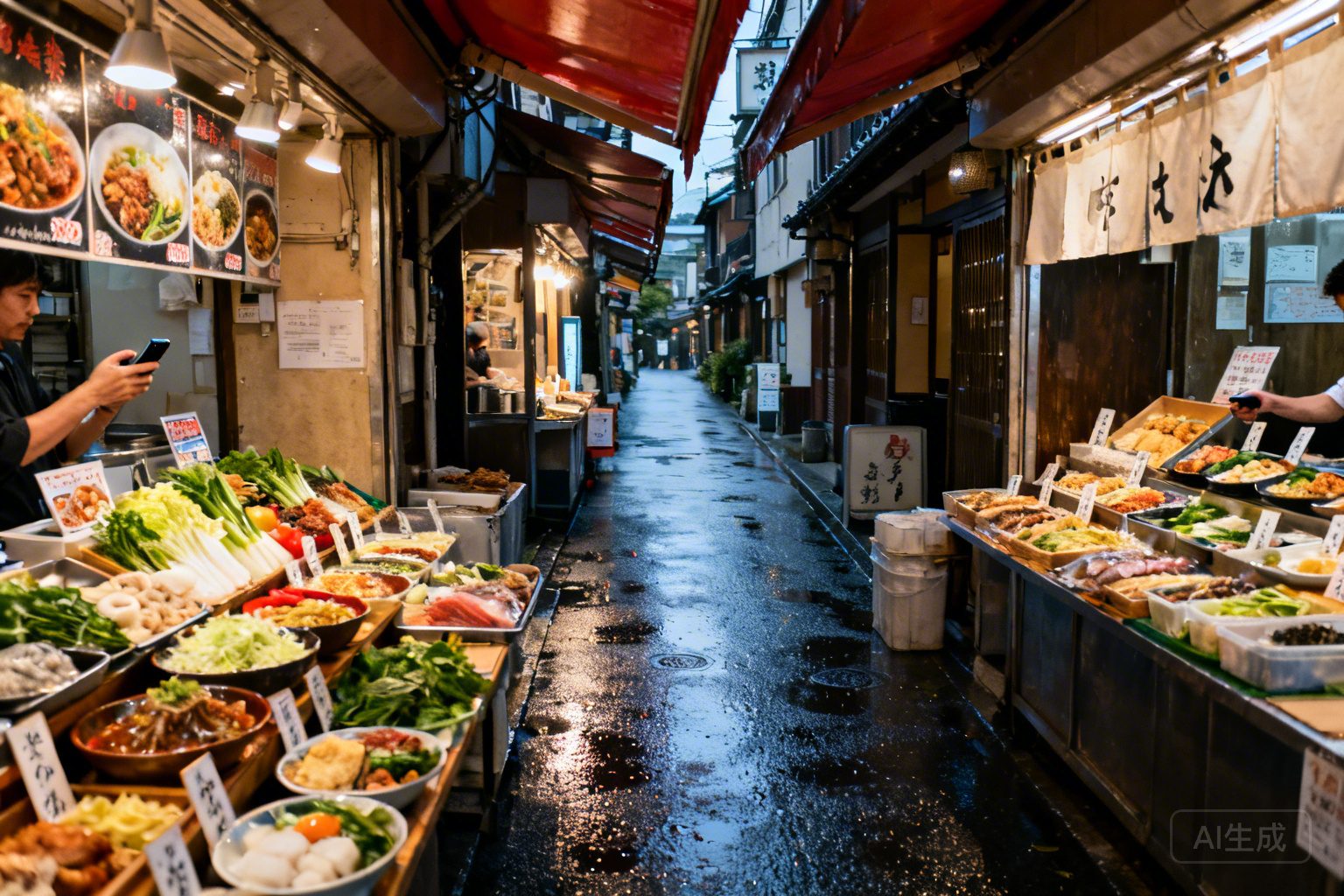
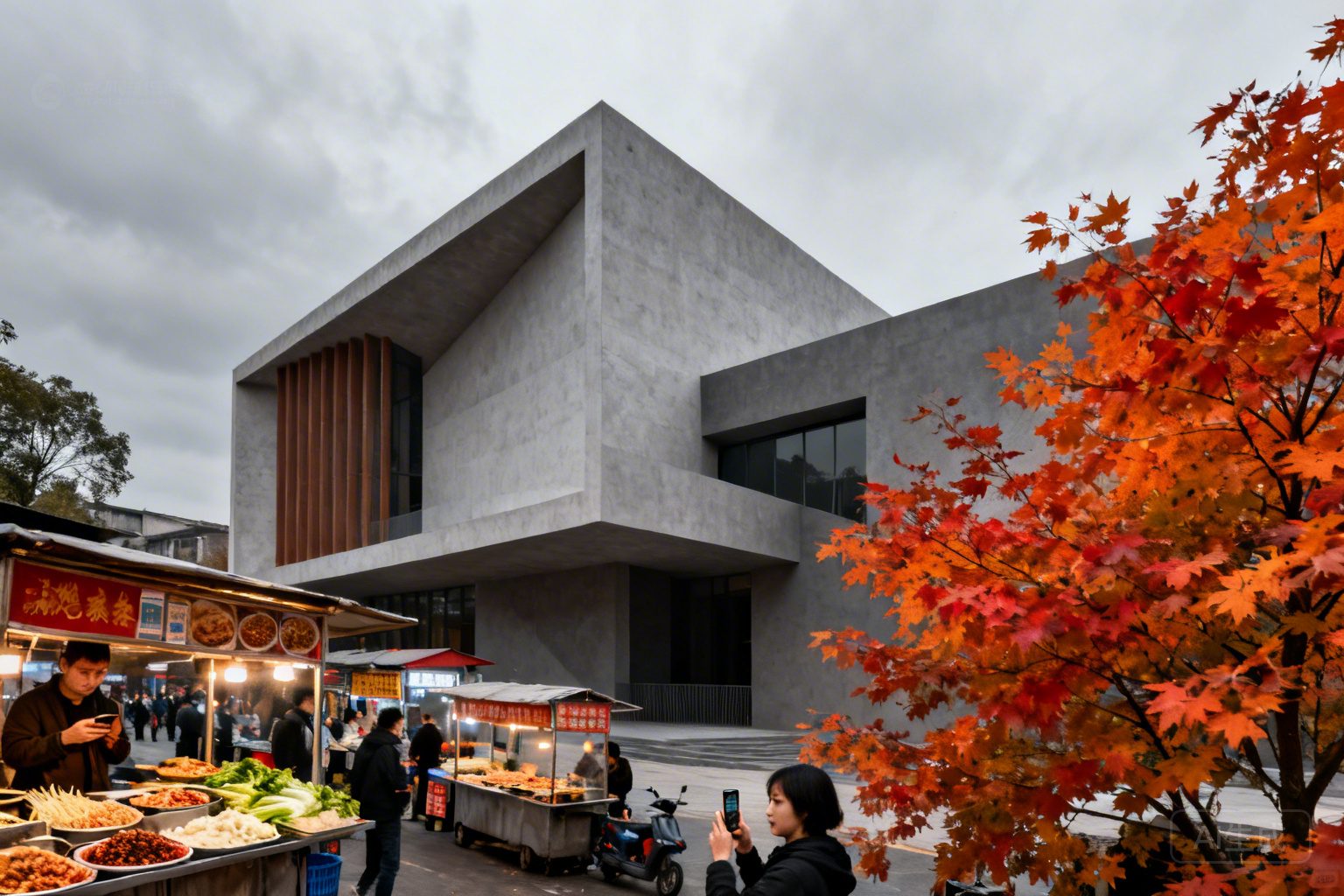
To understand the shopping culture of Samarkand, one must first confront the non. The Siyob Bazaar is an architectural riot of corrugated tin and ancient brick, situated next to the looming, cracked majesty of the Bibi-Khanym Mosque. The air here is thick, a humid soup of cumin, dried mulberries, and the charcoal smoke of a hundred clay ovens. I pass a brusque waiter at a roadside stall, a young man with a razor-thin mustache who slams plates of shashlik onto plastic tables with the choreographed aggression of a percussionist. He doesn’t offer a menu. He offers a stare that suggests you should already know your place in the universe.