Shop ‘Til You Drop: The Coolest Stores in Tel Aviv You Need to Check Out!
The White City’s Second Skin: A Flâneur’s Guide to the Soul of Tel Aviv
The Mediterranean does not merely lap at the shores of Tel Aviv; it exhales into it. It is a salt-crusted breath that snakes through the grid-locked arteries of the city, carrying with it the scent of diesel, overripe mangoes, and the metallic tang of construction cranes that seem to grow out of the Bauhaus rooftops like invasive steel weeds. To shop here is not an act of consumerism; it is a frantic, beautiful negotiation with history. You are not just buying a linen shirt or a hand-thrown ceramic bowl; you are participating in the frantic reconstruction of an identity that is only seventy-five years young, yet carries the weight of five millennia in its pocket.
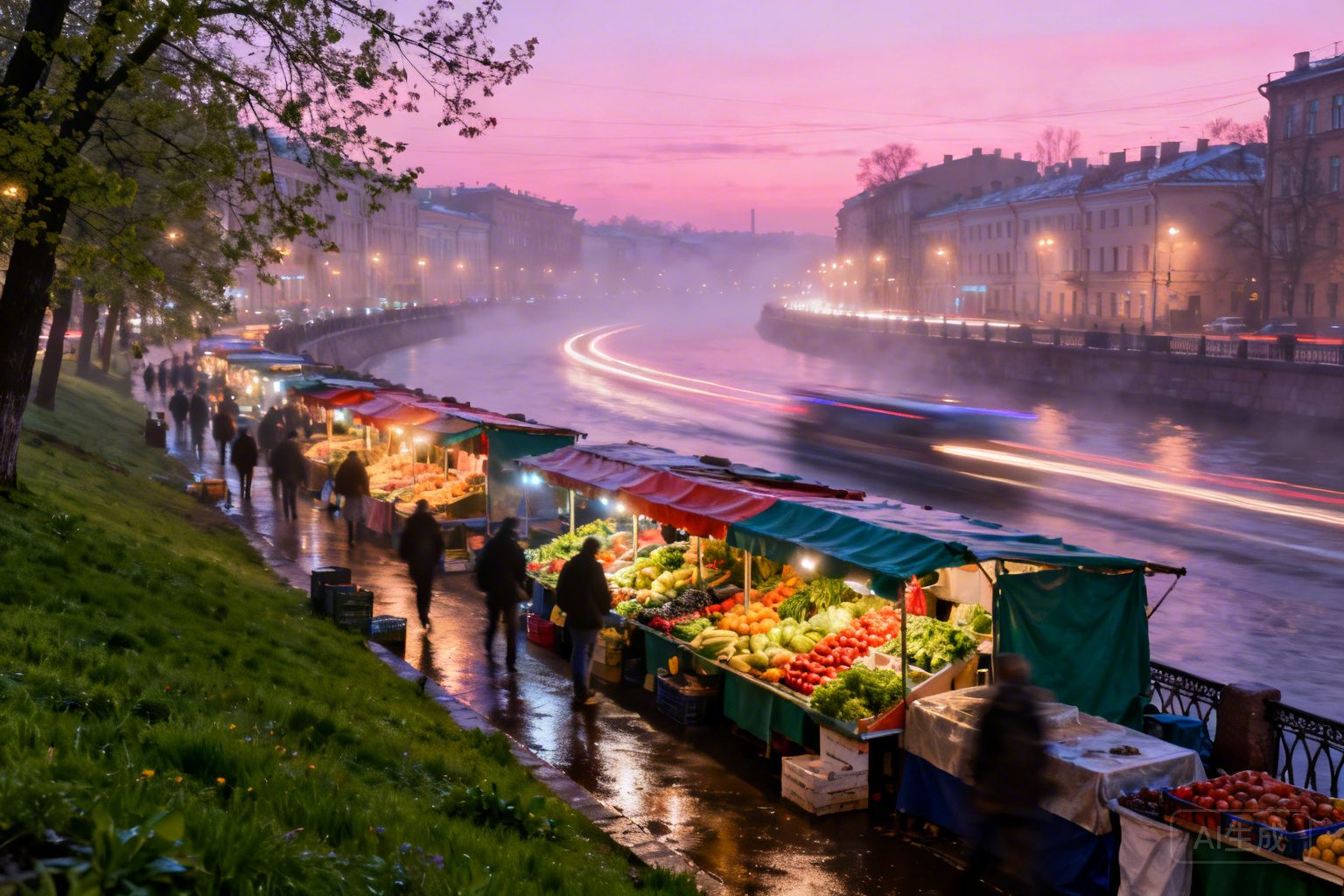
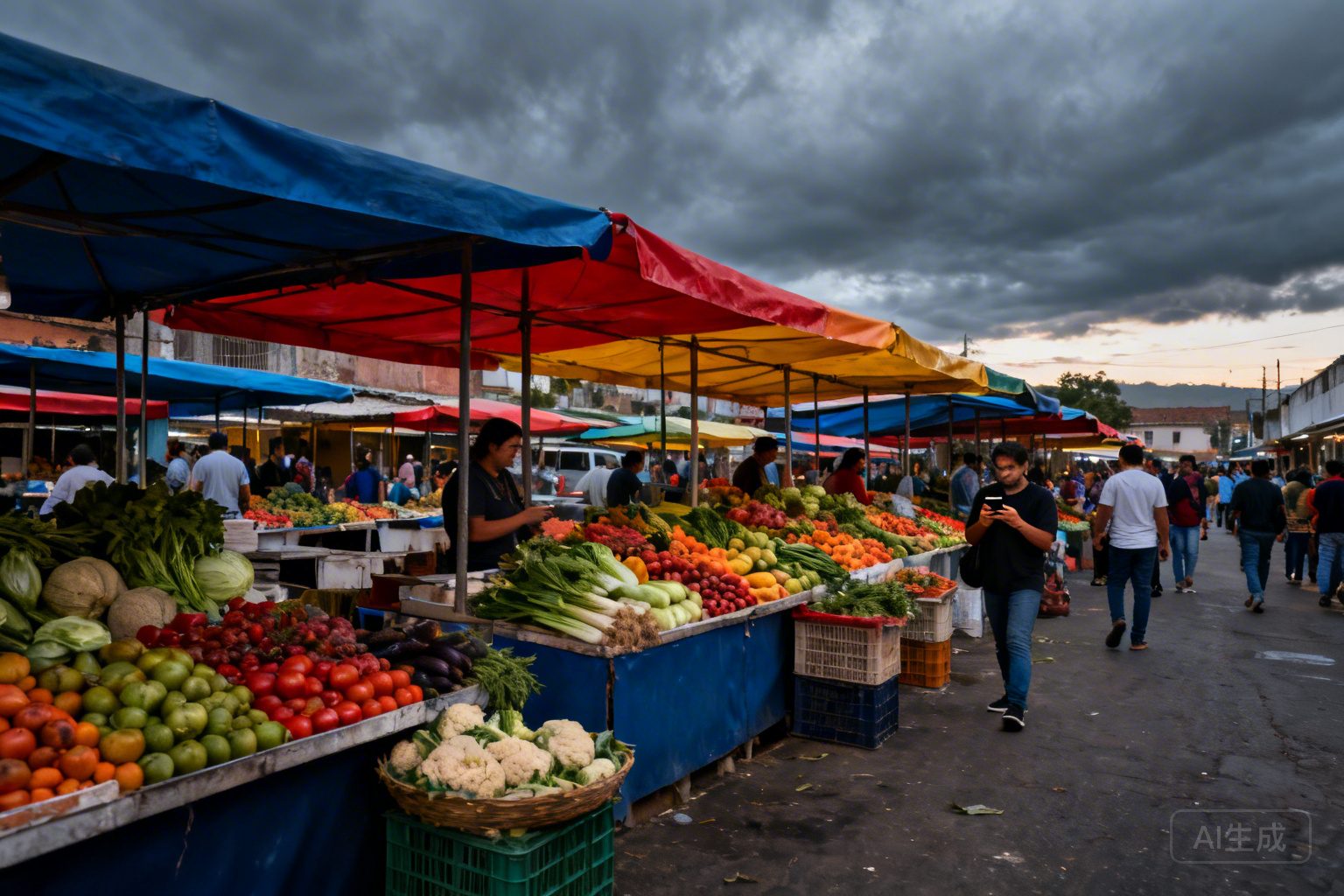
I started my morning where the city’s heart beats with a rhythmic, percussive thrum: the Shuk HaCarmel. The air here is a physical weight, thick with the smell of za’atar and the dampness of crushed mint leaves underfoot. It is 9:15 AM, and the sun is already a white-hot coin pressed against the back of my neck. The vendors do not invite you to look; they command you to witness. Their cries are not melodies but jagged shards of sound—staccato barks in Hebrew that rise above the shuffle of flip-flops on slick, grey stone.
At the mouth of the market, I saw her: the quintessential Tel Aviv grandmother. She wore oversized tortoiseshell spectacles and a floral dress that looked like it had survived the Siege of Jerusalem. Her skin was the texture of expensive, sun-cured leather. She didn’t walk; she carved a path through the tourists with the prow of her shopping trolley, a silent, indomitable force of nature. Beside her, a young man with a top-knot and a sleeve of geometric tattoos haggled over the price of a single pomegranate, his voice a low hum against her sharp, dismissive clicking of the tongue.
The Architecture of the Found Object
Leaving the roar of the Carmel, the city softens as you drift toward the Yemenite Quarter—Kerem HaTeimanim. Here, the streets narrow into limestone capillaries. The paint on the doors is not merely peeling; it is shedding its skin in flakes of turquoise and ochre, revealing layers of previous lives. I stopped in front of a nameless storefront where an old man sat on a plastic stool, repairing a vintage typewriter. The sound of his rhythmic tapping—*clack-clack-ping*—echoed off the low ceilings, a ghost of a pre-digital age.