Sightseeing 101: 12 Breathtaking Things to See in Jeju!
The Basalt Pulse: A Long-Form Descent into Jeju’s Volcanic Heart
The propeller plane from Gimpo makes a sharp, banking turn over the Korea Strait, and suddenly, the world turns a violent shade of viridian. To arrive in Jeju is to be forcibly reminded that the earth is still cooling, still breathing, still capable of spitting obsidian fire. This is not the sterilized neon of Seoul or the polished steel of Busan. Jeju is an island of jagged edges, where the wind—a relentless, salt-heavy entity locals call baram—carries the scent of fermenting citrus and pulverized seashells. I step onto the tarmac and the air hits me like a damp wool blanket: thick, mineral-rich, and humming with the low-frequency vibration of the sea.
Jeju is a topography of myths. They say eighteen thousand gods reside here, tucked into the crevices of basalt walls and the hollows of ancient camphor trees. To see this island is not merely to “sightsee” in the pedestrian sense; it is to engage in a slow, sensory excavation of a landscape that feels like it was conjured by a fevered cartographer. We begin at the edge of the world and move inward, spiraling toward the fire at the center.
1. The Obsidian Altar: Seongsan Ilchulbong
At 4:30 AM, the air at the base of Seongsan Ilchulbong—the “Sunrise Peak”—is the temperature of a cellar. The path upward is a series of grueling, uneven stone stairs that smell of wet earth and the faint, metallic tang of the volcanic tuff. I am surrounded by a silent procession of pilgrims: a middle-aged hiker in neon-pink Gore-Tex whose breath comes in ragged, rhythmic puffs, and a young couple clutching lukewarm cans of coffee, their eyes glazed with the universal stupor of the pre-dawn hours.
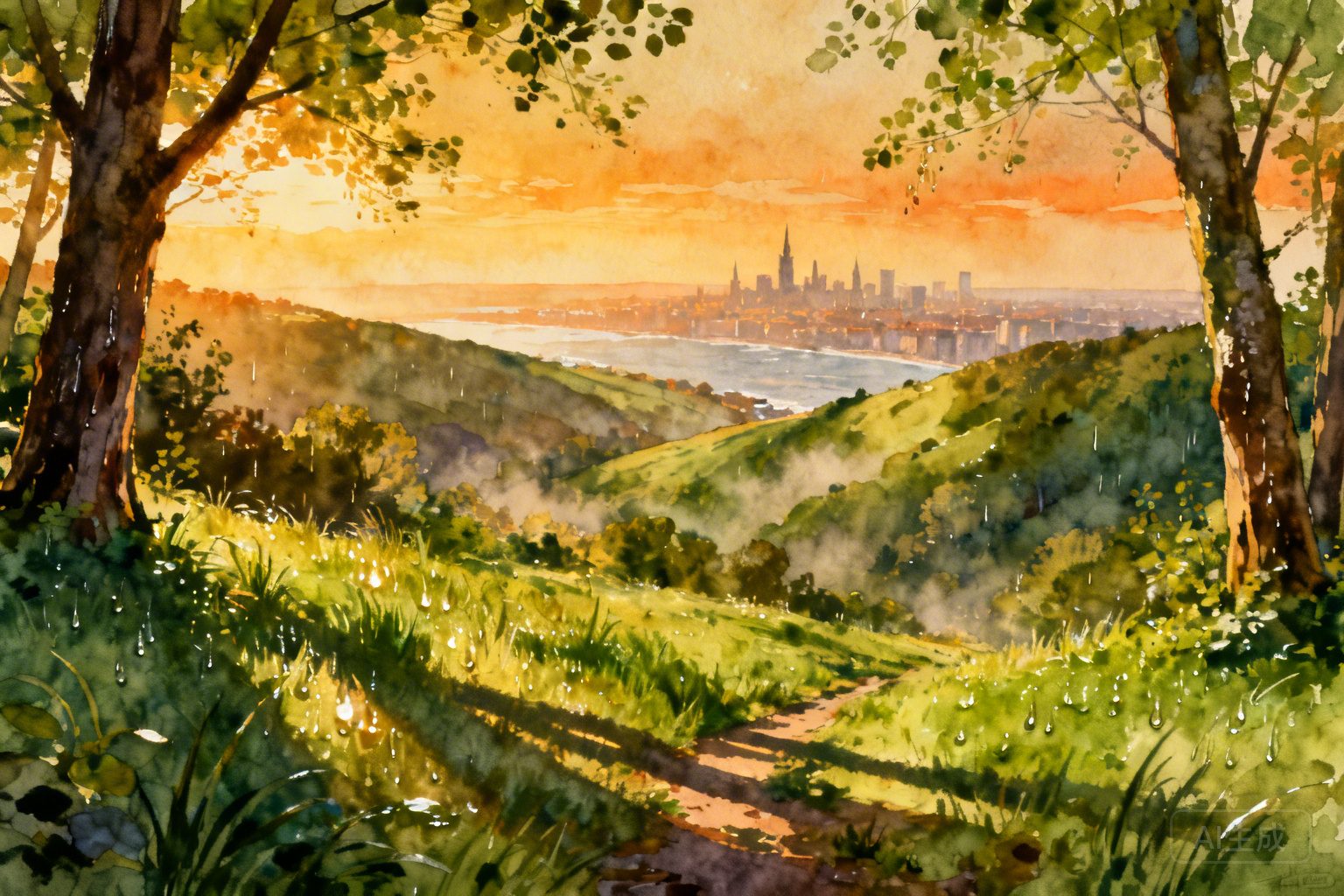
The peak is a hydrovolcanic tuff cone, a crown of jagged stone rising 180 meters above the churning foam. As the sun begins its ascent, the horizon doesn’t just brighten; it bleeds. The sky turns the color of a bruised plum, then a searing, cinematic apricot. Below, the village of Seongsan is a grid of flickering lights, but up here, looking into the grassy crater that spans 600 meters across, you realize you are standing on a prehistoric monument. The silence is absolute, broken only by the sharp scritch-scritch of a magpie’s claws on a wooden railing. It is a moment of profound, lonely clarity.