Sightseeing 101: 12 Breathtaking Things to See in Tel Aviv!
The Unwritten Rules of the White City
I’ve been here for six months, and I still feel like I’m vibrating at a different frequency than the locals. Tel Aviv doesn’t ask you to visit; it demands you participate. If you come here looking for a hop-on-hop-off bus tour, you’ve already failed. To live here—to actually “disappear”—you need to understand the friction. People will shout at you in the Shuk, not because they’re angry, but because that’s the baseline volume for affection. Tipping is a flat 12% to 15% (never on the card if you can help it; use the 7-Eleven-style apps or cash). And queueing? Forget it. A queue is a suggestion, a loose gathering of people where the person with the most chutzpah goes first. You have to learn the “gentle elbow.”
Before we hit the spots, let’s talk logistics. You can’t work from your Airbnb forever. The fastest WiFi I’ve found—stable enough for 4K video calls—is at Cafe Xoho or the public library in Beit Ariela. If you need a gym, skip the fancy hotel spas. Gordon Pool is the soul of the city, but a monthly pass at Holmes Place will run you about 350-400 NIS ($95-$110 USD). For laundry, don’t DIY it. Find a Makhbesa (laundry shop). There’s a tiny place on the corner of Yedidya Frenkel in Florentin where the owner, a man named Avi, will wash, dry, and fold your entire life for 60 NIS, and it’ll smell like lavender and Mediterranean sunshine. Buy your groceries at AM:PM for convenience, but if you want the real produce—the tomatoes that actually taste like tomatoes—you go to Shuk HaCarmel on a Tuesday morning when the crowds are thin.
1. The Abandoned Rooftops of South Tel Aviv
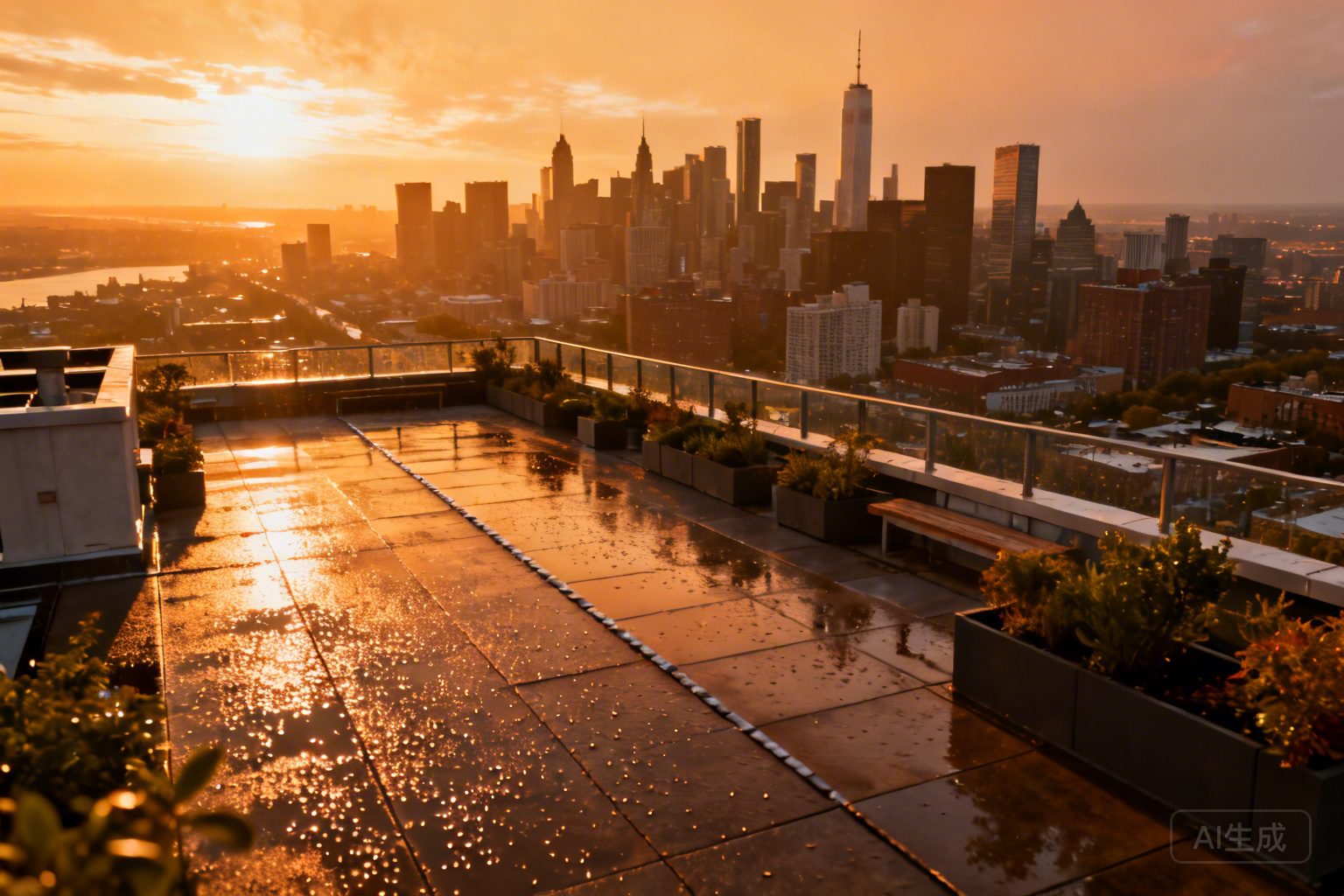
Most people see the grittiness of the south and turn back toward the beach. That’s a mistake. The industrial buildings near the old central bus station hold the city’s secret pulse. I found myself lost here three months ago, looking for a supposed “gallery” that turned out to be someone’s living room. Instead, I found a staircase in a crumbling textile building. At the top was a makeshift garden where a group of Russian expats were playing chess and drinking Arak. From up there, you see the skyline not as a postcard, but as a messy, growing organism. There’s no entrance fee, just the courage to walk through a door that looks like it should be locked.
2. The Mid-Century Ghost Walk of Dizengoff
Dizengoff Square is the obvious landmark, but the “thing to see” isn’t the fountain; it’s the Bauhaus architecture at 2:00 AM. This is when the city’s white walls actually glow under the streetlights. Walk from the square down toward Ben Gurion Boulevard. You’ll see the “International Style” in its rawest form—thermometer windows, shaded balconies, and pilotis. It’s the highest concentration of this architecture in the world, and it feels like walking through a 1930s fever dream of the future. Stop at a 24-hour kiosk, grab a “Tempo” soda, and just look up.