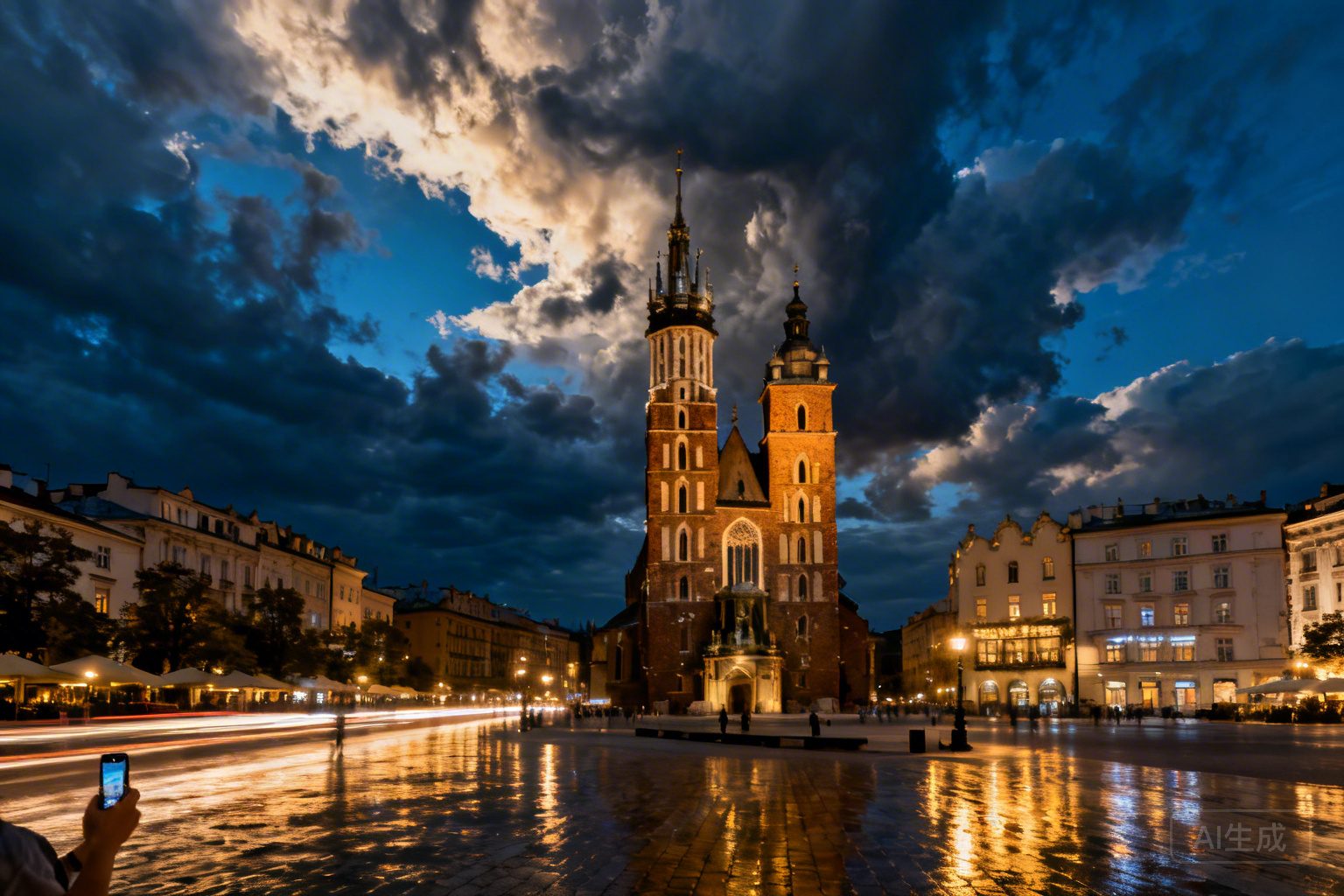
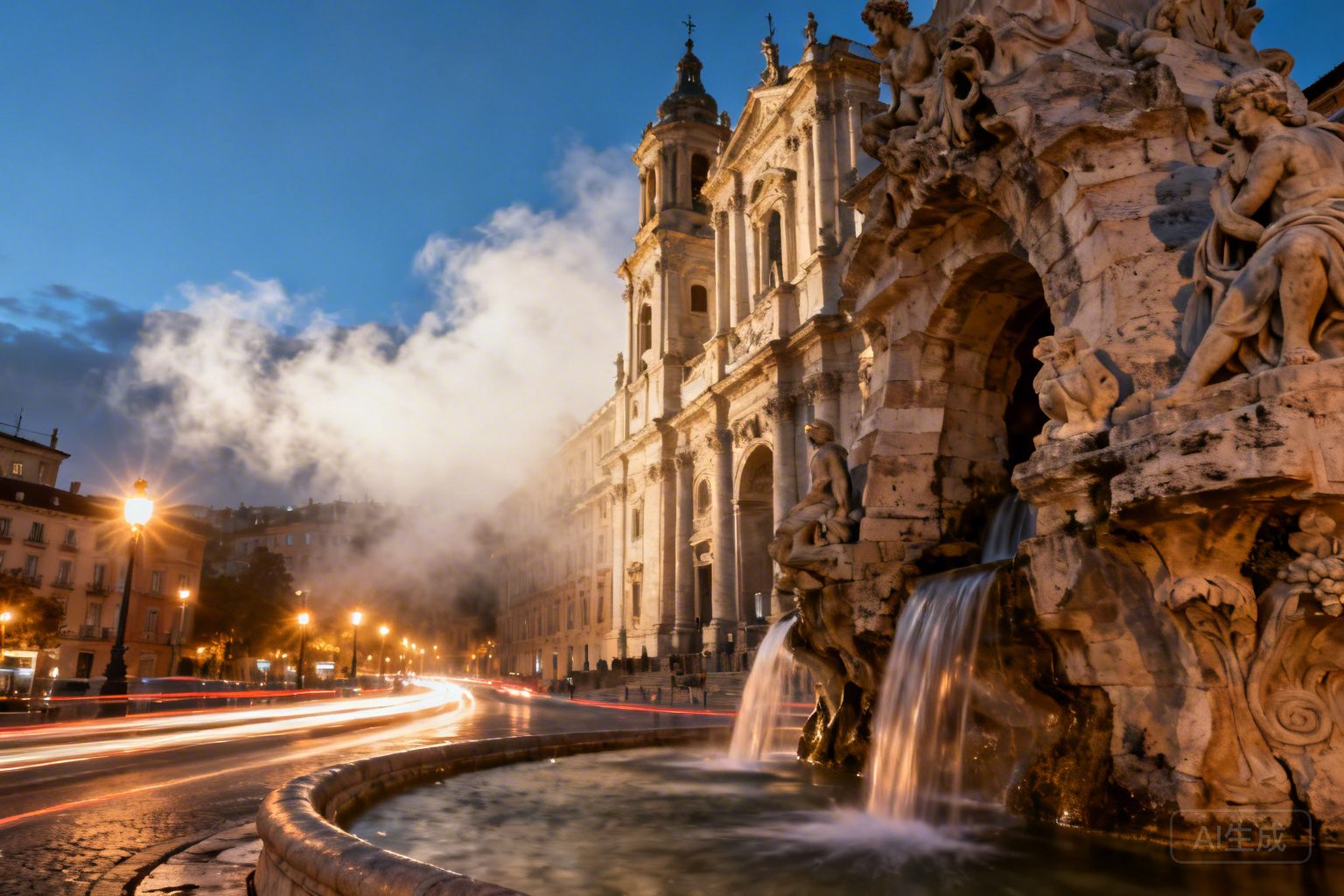
Snapshot Guide: 7 Famous Places to See in Lyon in One Day!
The Art of Getting Lost in the Gaulish Capital
I’ve been living in Lyon for four months now, and I still haven’t figured out if this city is a secret society or just a very well-organized maze. Most people treat Lyon as a pit stop between Paris and the Alps. They do the “Snapshot Guide” thing—run up the hill, eat a sausage, buy a postcard, and leave. But if you’re like me, someone who wants to drop off the grid and blend into the stone-grey and ochre-red background, you need to understand that Lyon isn’t a city you look at; it’s a city you inhabit. It’s a place of hidden passageways called traboules, where the “unwritten rule” is that if the door isn’t locked, you’re allowed to push it—as long as you stay silent. That’s the Lyonnais way: access is granted to those who know how to keep a secret.
1. Basilique Notre-Dame de Fourvière: The Morning Ritual
If you have only one day, you have to start at the top. Most tourists take the funicular (the “Ficelle”). Don’t. If you want to disappear, you take the Montée des Chazeaux. It’s a brutal set of stairs that will make your calves scream, but it’s where you’ll see the city wake up. The Basilica itself is a “white elephant,” a mix of Byzantine and Romanesque architecture that looks like an upside-down elephant.
The Pro Move: Don’t just look at the church. Walk around the back toward the Jardin des Curiosités. It’s a tiny, gated park given to Lyon by the city of Montreal. There are metal chairs bolted into the ground, facing the horizon. It’s the quietest place in the city at 8:00 AM. I spent three hours there once, just trying to figure out the logistics of my French tax forms, and no one bothered me. In Lyon, if you look busy or contemplative, you are invisible. That is the first rule of the local fabric.
2. Vieux Lyon: Navigating the Silk Road
Below the hill is the Renaissance district. It’s a UNESCO site, which usually means “tourist trap,” but not if you know the mechanics of the streets. The traboules are secret corridors that connect streets through courtyards. They were used by silk workers (Canuts) to transport fabric without it getting wet.