Solo in Berlin: 10 Safe and Empowering Tips for the Lone Traveler!
The Concrete Palimpsest: A Solitary Rebirth in the Grey Heart of Europe
The descent into Berlin is never a soft landing; it is a clinical extraction from the sky. As the plane banked over the Brandenburg plains, the landscape below was a patchwork of scorched-earth yellows and the deep, bruised green of the Grunewald forest. I stepped onto the tarmac at BER, a terminal of glass and echoes, feeling that familiar, sharp prickle of autonomy. To be alone in Berlin is not to be lonely; it is to be a ghost in a city that has spent a century learning how to haunt itself. The air carried the faint, metallic scent of ozone and the promise of a cold Baltic front, a wind that doesn’t just blow—it interrogates.
I caught my reflection in the window of the S-Bahn—a smudge of a person against a blur of graffiti-strewn sound walls. There is a specific shade of “Berlin Grey,” a charcoal-heavy hue that clings to the U-Bahn stations and the underside of the overpasses. It is the color of survival. My first tip for the solitary pilgrim: 1. Master the choreography of the BVG. Do not fumble with your phone at the ticket machine while the queue sighs behind you. Purchase your 4-trip ticket, stamp it with the satisfying, mechanical thwack of the yellow validator, and step onto the train with the quiet confidence of a local who knows exactly where the doors will open at Alexanderplatz. Your safety in this city is mapped in your posture.
The Ghosts of Mitte and the Art of Observation
I checked into a hotel in Mitte, where the floorboards groaned under the weight of Prussian history and the wallpaper was the color of a dried tea stain. The concierge was a man named Klaus, whose face was a map of disappointment and tobacco. He didn’t smile; he merely handed me a heavy brass key with a nod that felt like a secret pact. I stepped out onto Auguststraße, where the peeling paint on the 100-year-old doors reveals layers of ochre, mint, and Soviet drab, like rings on a fallen tree. The wind caught the corner of Oranienburger Straße, carrying the scent of frying fat and expensive cologne.
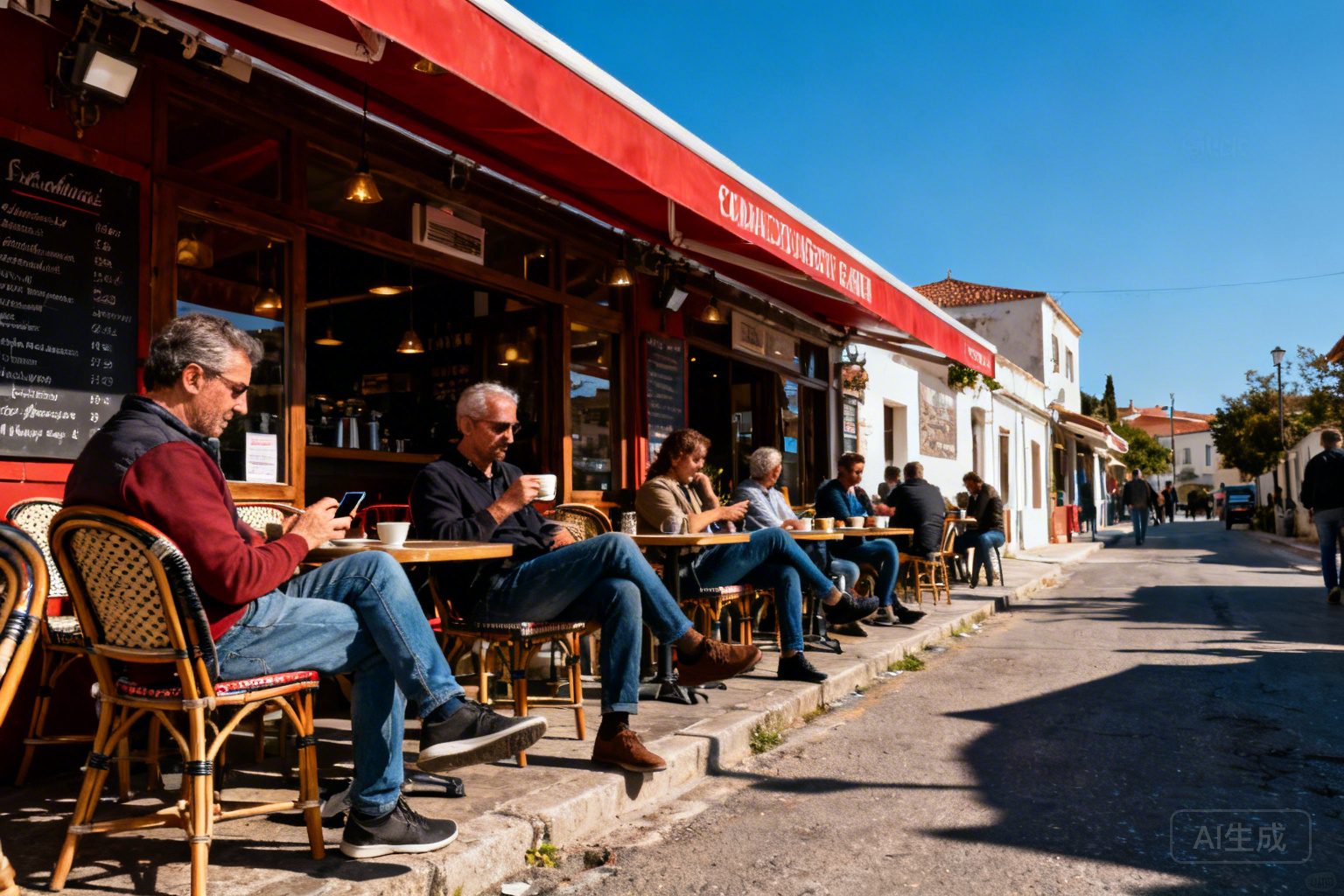
In a small café, I watched a brusque waiter—white apron tied tight enough to restrict breathing—deliver a Milchkaffee with the precision of a surgeon. He didn’t ask if I wanted sugar. He knew I didn’t. To his left, a frantic office worker in a slim-cut navy suit stabbed at a laptop, his eyes darting toward the door as if expecting an arrest. To his right, a silent monk in saffron robes sat perfectly still, his presence an island of stillness in a sea of caffeine-induced anxiety.