Solo in Cusco: 10 Safe and Empowering Tips for the Lone Traveler!
The Indigo Hour in the Umbilicus of the World
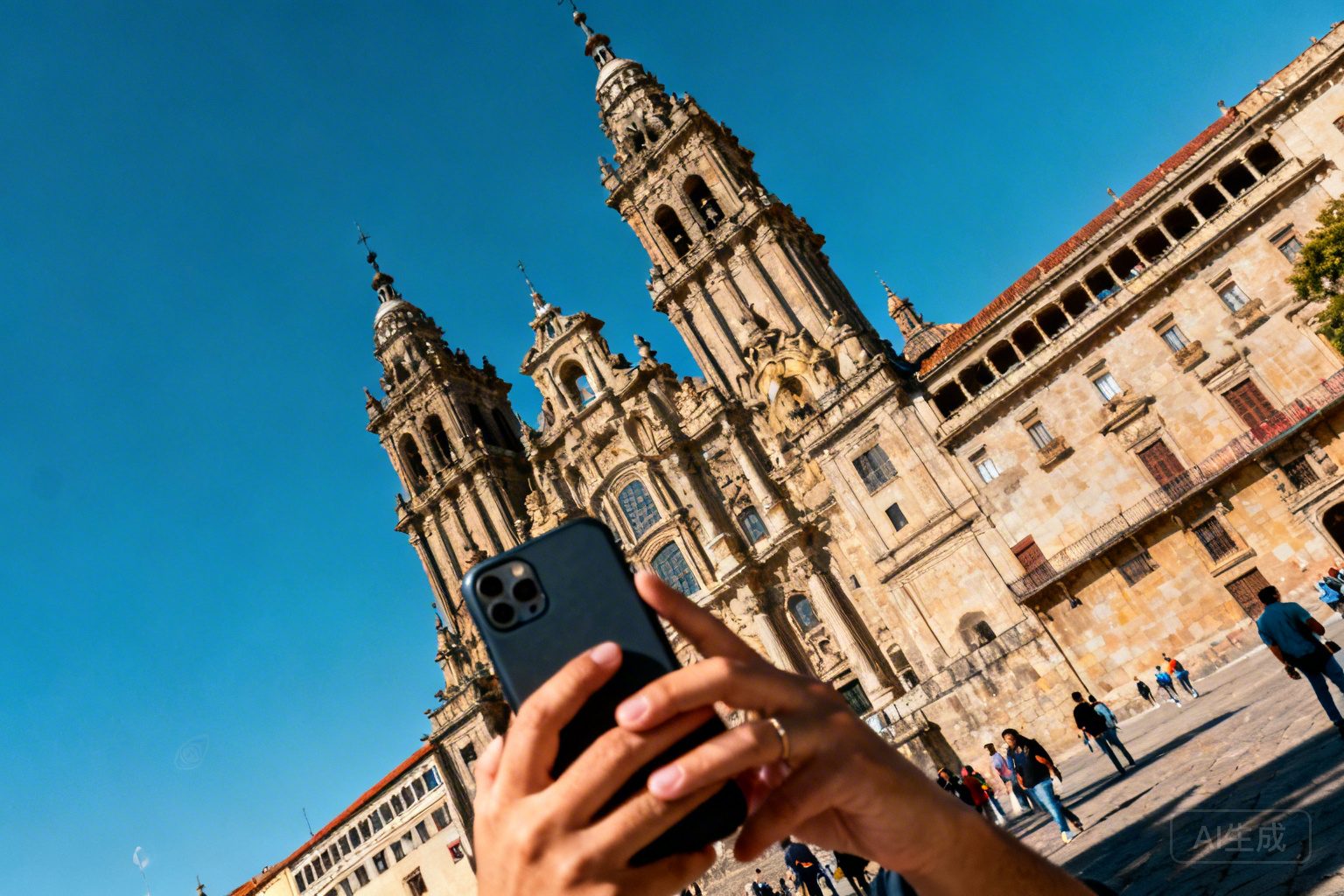
The air in Cusco does not merely sit; it vibrates, thin and crystalline, pressing against your temples with the weight of five centuries. At 11,152 feet, oxygen is a luxury, a scarce commodity that turns every breath into a conscious act of devotion. I stepped off the plane and felt the immediate, sharp slap of the Andean wind—a cold, dry draft that smelled of burnt eucalyptus and ancient dust. To arrive here alone is to accept a challenge issued by the mountains themselves. The city, laid out in the shape of a pouncing puma by the Inca, demands a specific kind of presence. It is a place where the shadows of Spanish cathedrals are anchored into the seamless, mortarless masonry of a vanished empire, and as a solo traveler, you are the only witness to the conversation between these two worlds.
I watched a woman in a bowler hat, her braids encased in colorful wool ties, navigate the uneven cobblestones of the Plaza de Armas with a grace I could only envy. She ignored the frantic office worker in a slim-fit navy suit who was shouting into a smartphone, his polished loafers clicking rhythmically against the diorite stones. Here, time is a fractured thing. You are never truly alone in Cusco; you are simply the newest ghost in a city that refuses to forget its ancestors. To navigate it safely and with soul, one must learn the rhythm of the altiplano.
1. The Art of the Slow Acclimatization
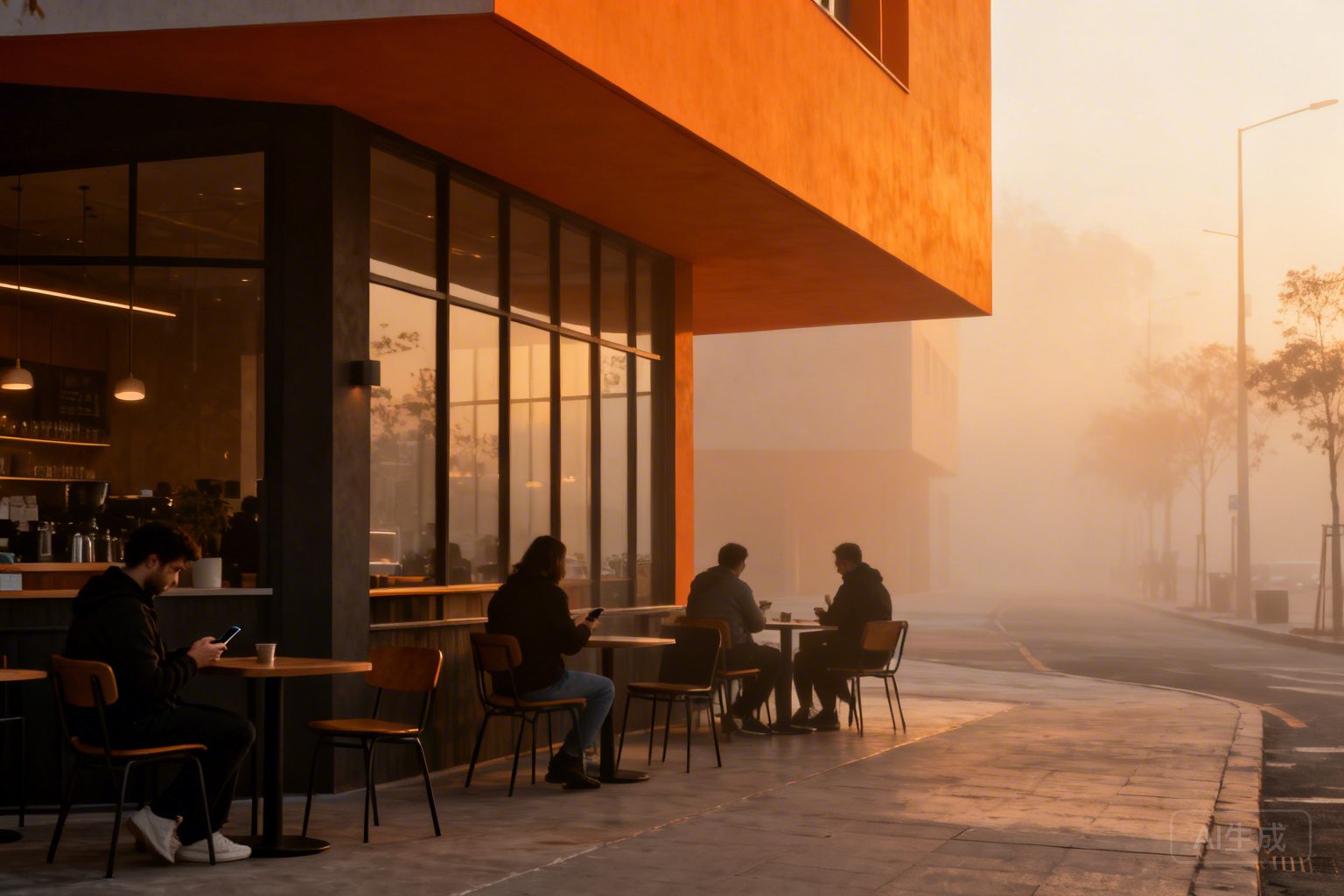
The first rule of the lone traveler in the Andes is a humble submission to biology. Do not fight the altitude. My first afternoon was spent in a state of suspended animation at a small café overlooking the Regocijo square. The waiter, a man named Efrain with skin the texture of a walnut and eyes that seemed to have seen every revolution since 1920, brought me a ceramic mug of mate de coca. He didn’t ask; he simply knew. The liquid was a murky, swampy green, smelling of wet hay and crushed minerals. I watched the steam curl into the thin air, losing its heat almost instantly.
Safe solo travel begins with physical competence. Spend your first forty-eight hours doing absolutely nothing. Observe. Watch the tourists turn purple as they try to sprint up the stairs to San Blas. Listen to the specific, high-pitched whistle of the knife sharpener as he pedals his bicycle-driven grindstone through the alleys. By moving slowly, you become invisible in the best way—a part of the landscape rather than a target for the persistent textile vendors.