Solo in Kyoto: 10 Safe and Empowering Tips for the Lone Traveler!
The Velvet Hush of the Kamo River
The dawn in Kyoto does not arrive with a shout; it arrives with the sound of a broom. It is a rhythmic, rasping sound—bamboo bristles against ancient paving stones—that pulls you from the liminal space of a futon into the reality of the Gion district. I woke in a machiya, a traditional wooden townhouse where the air smelled of cedar and the faint, vegetal musk of floor mats. The light filtered through paper screens, a soft, milky diffusion that made the dust motes look like suspended gold leaf. This is the first lesson of the lone traveler in the old capital: silence is not an absence, but a presence. It is a companion that demands you listen closer.
Stepping out onto the street, the temperature was a brittle 42 degrees, the kind of cold that finds the gap between your scarf and your chin and bites with a playful, sharp tooth. I watched an elderly woman, her back curved like a polished river stone, scrubbing the entryway of her home. She didn’t look up, but her movements were a choreography of devotion. This is a city built on the repetition of small, perfect acts.
Solitude here is a garment you wear with pride. In the West, dining alone can feel like a confession of failure; in Kyoto, it is a mark of the connoisseur. I found a small coffee shop near the river where the owner, a man with silver hair and a vest the color of dried plums, weighed out beans with the precision of a diamond merchant. He didn’t offer a menu. He simply looked at my coat, nodded, and produced a cup of coffee so dark it seemed to absorb the room’s light. This leads me to my first pillar of the solo journey.
1. Embrace the Ritual of the Counter Seat
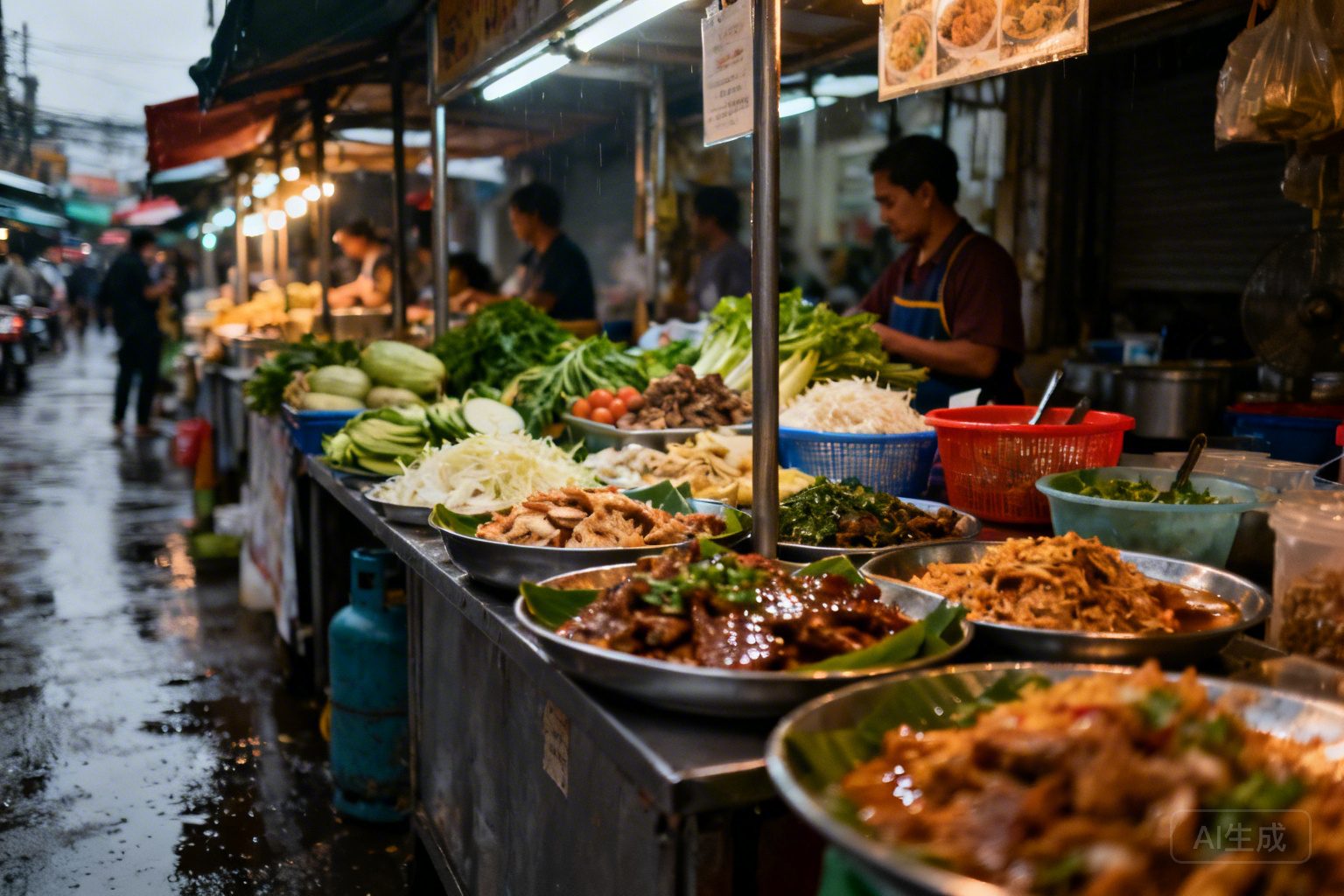
In Kyoto, the counter is your sanctuary. Whether it is a ten-seat ramen shop in a basement near Shijo or a high-end sushi temple, the counter eliminates the “problem” of the empty chair across from you. It grants you a front-row seat to the theater of craft. I watched a young chef, his forehead beaded with sweat despite the morning chill, slice scallions into ribbons so thin they looked like green lace. We did not speak. We did not need to. The clatter of his knife was our conversation.