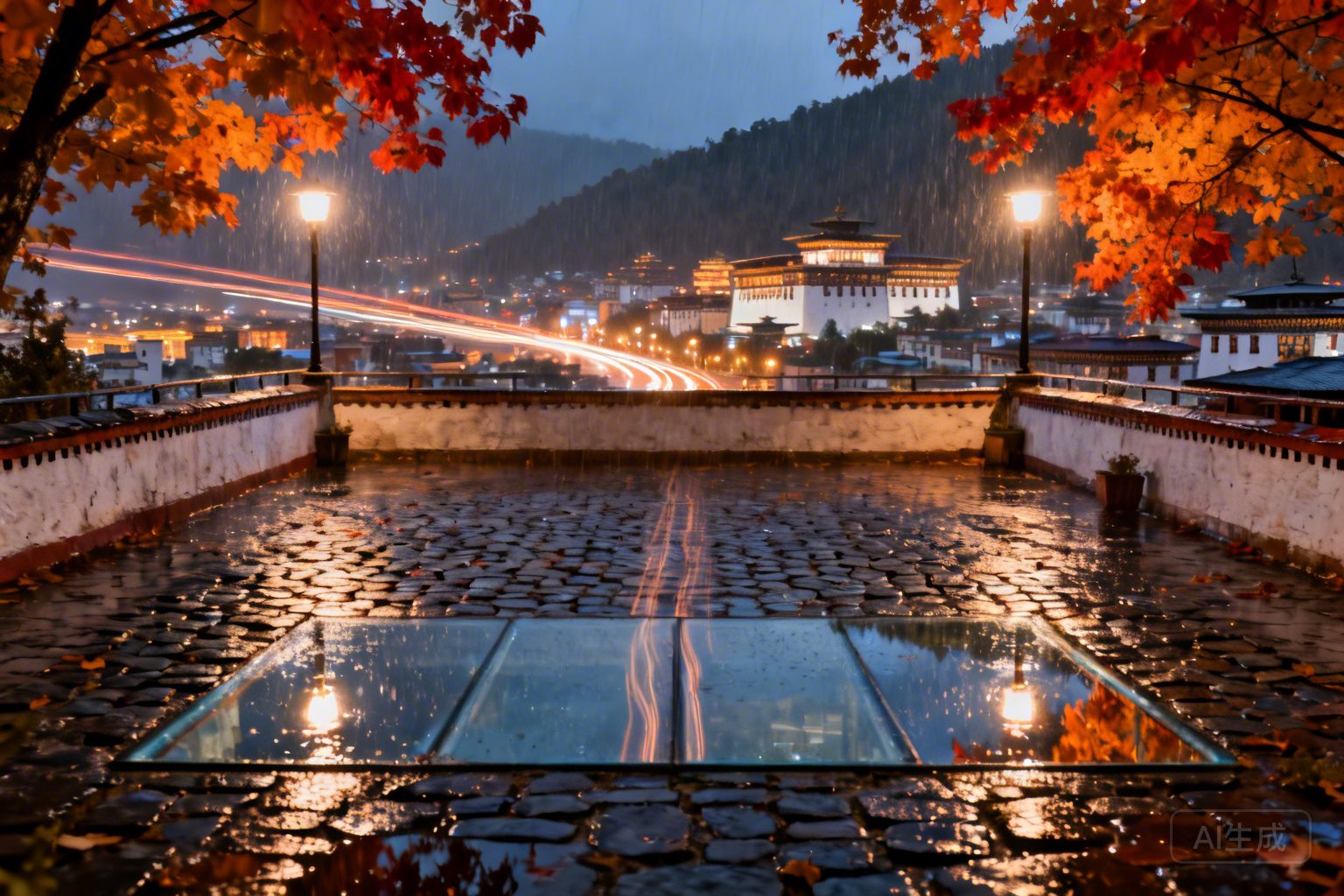
Solo in Thimphu: 10 Safe and Empowering Tips for the Lone Traveler!
The Scent of Burning Juniper and the Silence of the Clock
The descent into Paro is a choreographed flirtation with catastrophe. From the window of the Drukair Airbus, the Himalayan peaks don’t just loom; they peer into the cabin, their granite faces scarred by glaciers and ancient silence. When the wheels finally kiss the tarmac of the world’s most precarious runway, a collective exhale ripples through the cabin—a soft, rhythmic shedding of secular anxieties. But it is the hour-long drive toward Thimphu, the kingdom’s sprawling, topographical capital, where the transformation truly begins. The air changes. It loses the humid weight of the lowlands and takes on the crisp, metallic tang of altitude. It smells of woodsmoke, wet stone, and the omnipresent, herbaceous ghost of burning juniper.
I arrived in Thimphu not as a tourist seeking a checklist of monuments, but as a ghost seeking a haunt. Solo travel in the Dragon Kingdom is an exercise in intentional isolation. Here, the streetlights don’t exist—literally. At the main intersection of Norzin Lam, a policeman in white gloves directs traffic with a hypnotic, balletic grace, his hands slicing through the mountain chill like a conductor guiding a silent symphony. This is the heart of a city that refuses to be rushed, a place where the 21st century is being negotiated one prayer wheel at a time.
1. Master the Art of the “Kuzuzangpo” Lean
The first rule of the lone traveler in Thimphu is to understand the geography of a greeting. To walk down Norzin Lam is to navigate a sea of ghos and kiras—the national dress that turns every citizen into a figure from a medieval tapestry. The fabric of a well-worn gho is heavy, a woolen fortress against the wind that whips down from the Wang Chhu river. I watched a brusque waiter at a small canteen near the Clock Tower Square; he moved with a frantic, caffeinated energy, his fingers stained yellow from turmeric, yet he never failed to offer a slight, rhythmic bow to every elder who entered. It is a “lean” of respect.
To be safe here is to be seen as a person of character. Loneliness evaporates when you realize that in Bhutan, “alone” does not mean “invisible.” The safety of Thimphu is rooted in its social fabric. When you offer a sincere “Kuzuzangpo la,” you aren’t just saying hello; you are acknowledging the interconnectedness of all sentient beings. It is a profound insurance policy against the unknown.