Stop and Stare: 8 Incredible Things to See in Amman Before You Leave!
The Ochre Labyrinth: A Love Letter to the Vertical City
Amman does not greet you with a handshake; it confronts you with a roar. It is a city built on a scale that defies the human lung, a sprawling, limestone-colored leviathan draped over nineteen hills, or jabals, each one a calcified wave in a sea of dusty beige. To arrive here is to enter a vertical maze where the scent of unrefined diesel competes with the sweetness of roasting cardamom, and where the wind—sharp, dry, and smelling of the high desert—whips through the alleyways like a restless ghost. It is a place of brutalist geometry and ancient whispers, a city that feels as though it was carved from a single block of sun-bleached stone and then left to bake under a relentless Levantine sun.
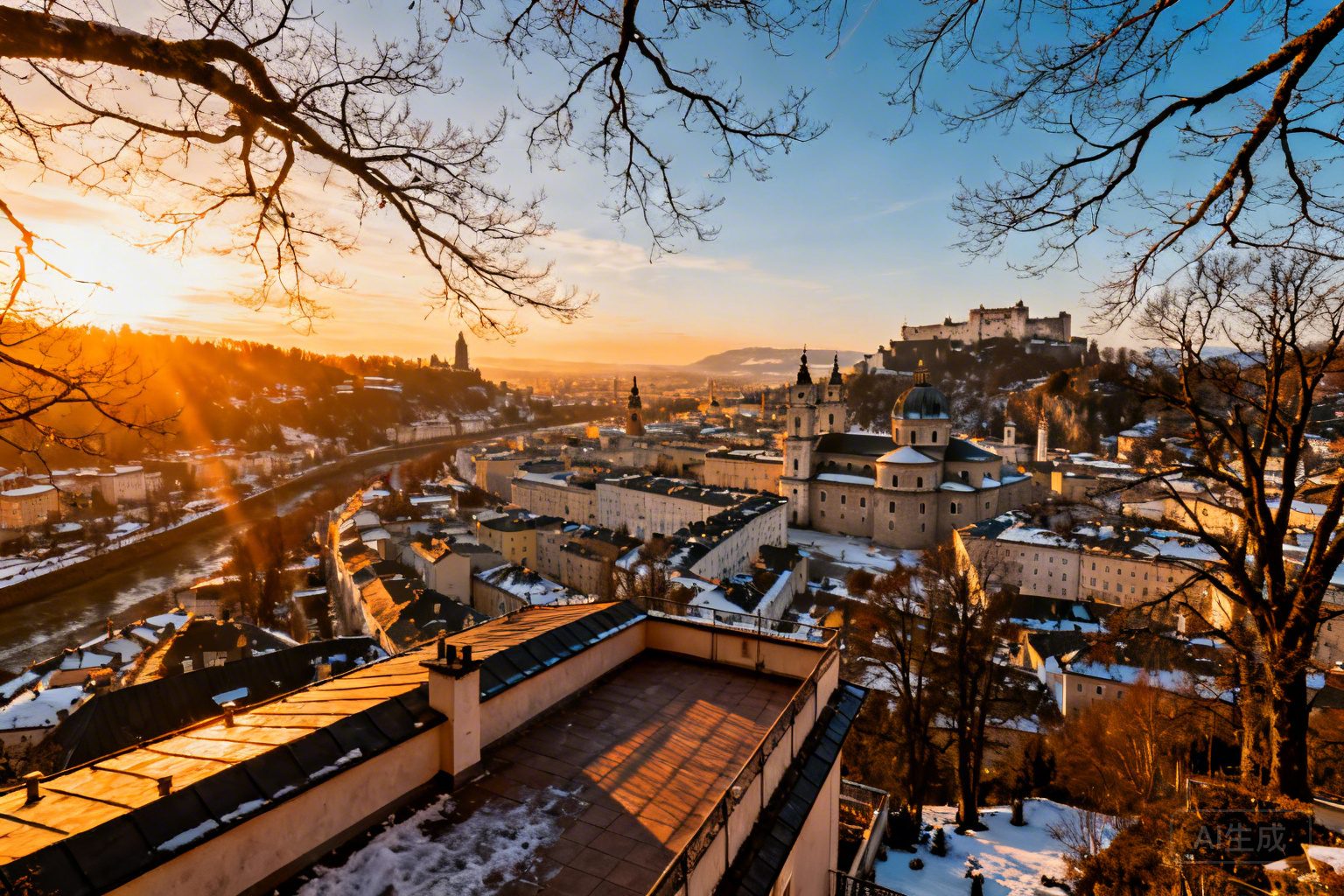
I found myself standing at the precipice of Jabal Amman as the sun began its slow, bruised descent. The light here is different; it doesn’t just illuminate, it saturates. It turns the white-washed villas into slabs of gold and the shadows into deep, velvet bruises. Below me, the traffic moved in a frantic, choreographed chaos, a river of yellow taxis and silver sedans honking in a rhythmic, percussive language that only the locals truly understand. This is not a city for the faint of heart or the weak of knee. It is a city that demands you stop, and more importantly, that you stare.
1. The Citadel: Where the Wind Rewrites History
At the apex of Jabal al-Qal’a, the air thins and the noise of the modern city below fades into a muted hum. The Citadel is not merely a ruin; it is a chronological lasagna. Here, the massive, weathered knuckles of the Temple of Hercules thrust toward the sky, their stone surfaces pitted by two millennia of sandstorms and seismic shifts. I ran my fingers along a fallen column; the texture was like petrified bone, cold despite the sun’s glare, etched with the microscopic scars of time. To the north, the Umayyad Palace sits with its blue-domed audience hall, a silent witness to a caliphate that once stretched from the Atlantic to the Indus.
I watched a silent monk—or perhaps he was merely a man seeking a sanctuary from the digital age—leaning against a Byzantine wall. He wore a threadbare wool coat despite the heat, his eyes fixed on the horizon where the desert begins its long, flat march toward Iraq. He didn’t move for twenty minutes. He was part of the masonry. Nearby, a group of teenagers took selfies in the shadow of Hercules’ giant marble hand, their laughter bouncing off the ancient limestone, a jarring, beautiful bridge between the ephemeral now and the staggering forever. The wind here carries the specific pitch of a flute, whistling through the gaps in the Roman masonry with a haunting, low-frequency vibration that settles in your chest.