Stop and Stare: 8 Incredible Things to See in Mendoza Before You Leave!
The Dust and the Decanter: A Long Afternoon in the Shadow of the Andes
The air in Mendoza does not merely exist; it weighs. It is a dry, particulate heat that smells of parched poplar leaves and the metallic tang of irrigation water channeling through the acequias—those stone-lined arteries that have kept this desert mirage breathing since the 1500s. I am sitting at a table at the corner of Sarmiento and Belgrano, watching the light fracture against a glass of Torrontés. The sun is a relentless golden hammer, beating against the white-washed walls of the city, yet here, under the sprawling canopy of a century-old sycamore, the temperature drops by a dozen degrees. This is the first secret of the Cuyo: the shadows are alive.
To arrive in Mendoza is to enter a pact with gravity. To the west, the Cordillera de los Andes looms like a jagged, violet wall, a reminder that human ambition is a fragile thing. The mountains don’t just sit on the horizon; they judge. They are the source of the snowmelt that trickles through the city’s veins, and they are the reason the sky here possesses a clarity so sharp it feels like it might cut your retinas. Before you leave this high-altitude sanctuary, before you surrender to the terminal at El Plumerillo, you must learn to stop. You must learn to stare until the scenery stops being a postcard and starts being a pulse.
1. The Silent Ritual of the Acequias
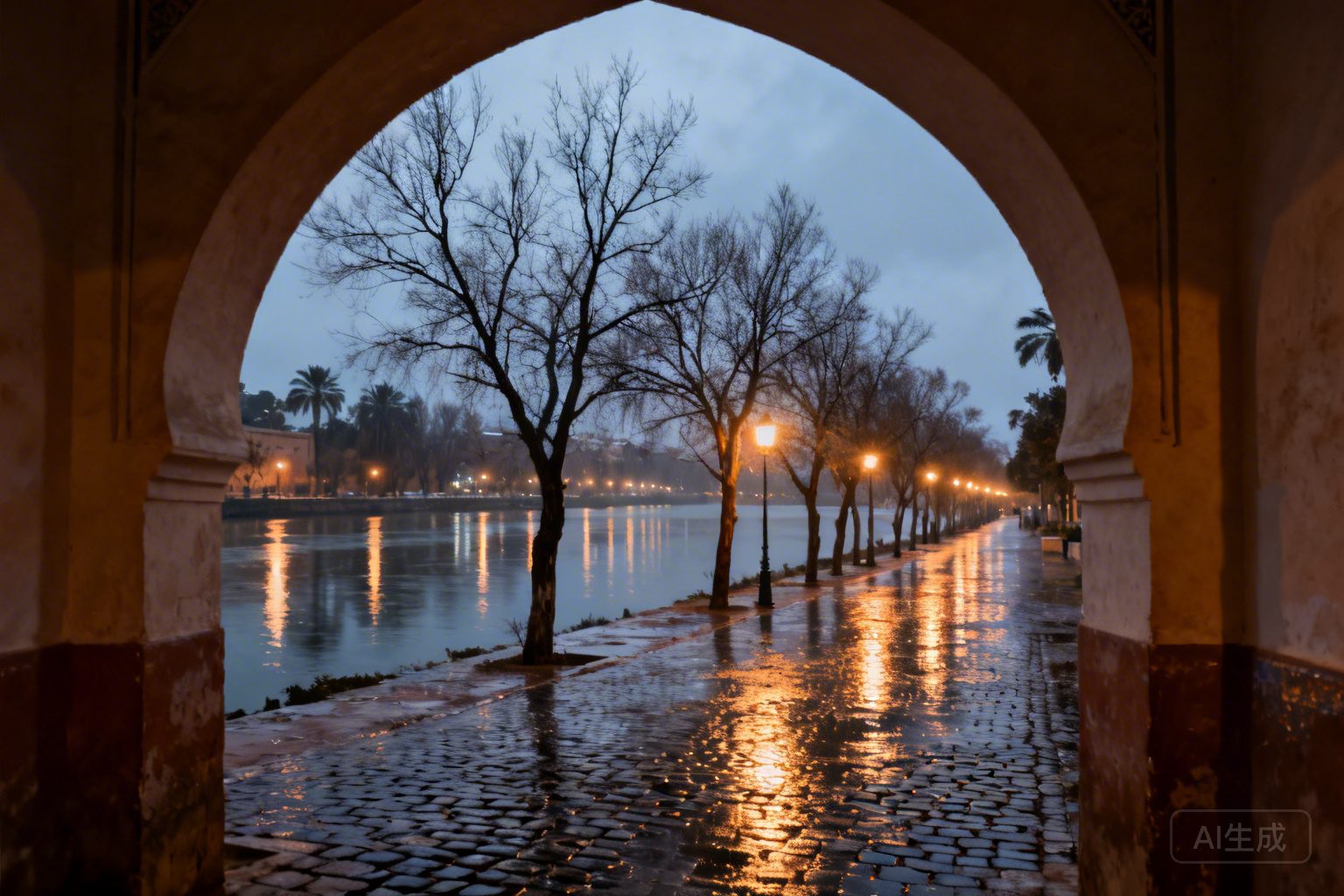
Walk down any sidewalk in the downtown core and you will hear it before you see it: the gurgle. The acequias are open concrete trenches, roughly two feet deep, that line every street. They are the city’s most ancient architecture, a Moorish inheritance passed through Spanish hands to the Huarpe indigenous people who mastered the art of directing the meltwater of the mountains. I watched an elderly man, his skin the color of a cured tobacco leaf, use a long-handled broom to clear a blockage of fallen blossoms from the channel. He didn’t speak. He worked with the rhythmic, holy focus of a priest tending an altar.
These ditches are treacherous for the uninitiated tourist who stares too long at their phone, but for the Mendocino, they are the difference between life and a dust bowl. Without them, the city would be reclaimed by the monte—the thorny, gray scrubland—within a decade. The water is often a milky, glacial grey, carrying the pulverized minerals of Aconcagua. On a Tuesday afternoon, I saw a frantic office worker, his tie loosened and his brow slick with sweat, pause by the edge of an acequia. He didn’t jump across. He stopped, stared at the swirling water for a full minute, took a breath that seemed to expand his entire ribcage, and then stepped over with a newfound grace. The water is a clock that doesn’t tick.