Stop and Stare: 8 Incredible Things to See in Quito Before You Leave!
The Vertical Fever Dream: Awakening in the Middle of the World
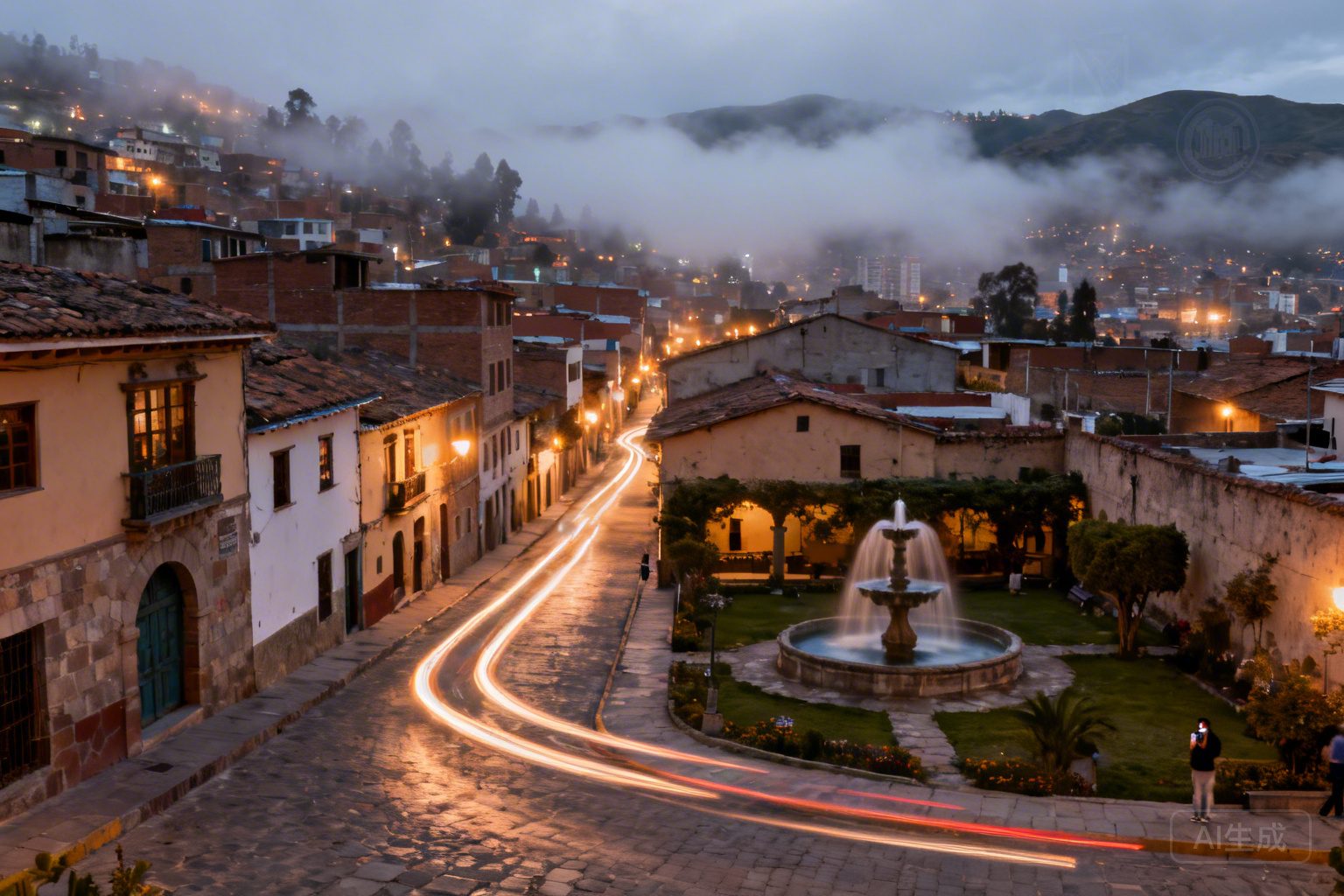
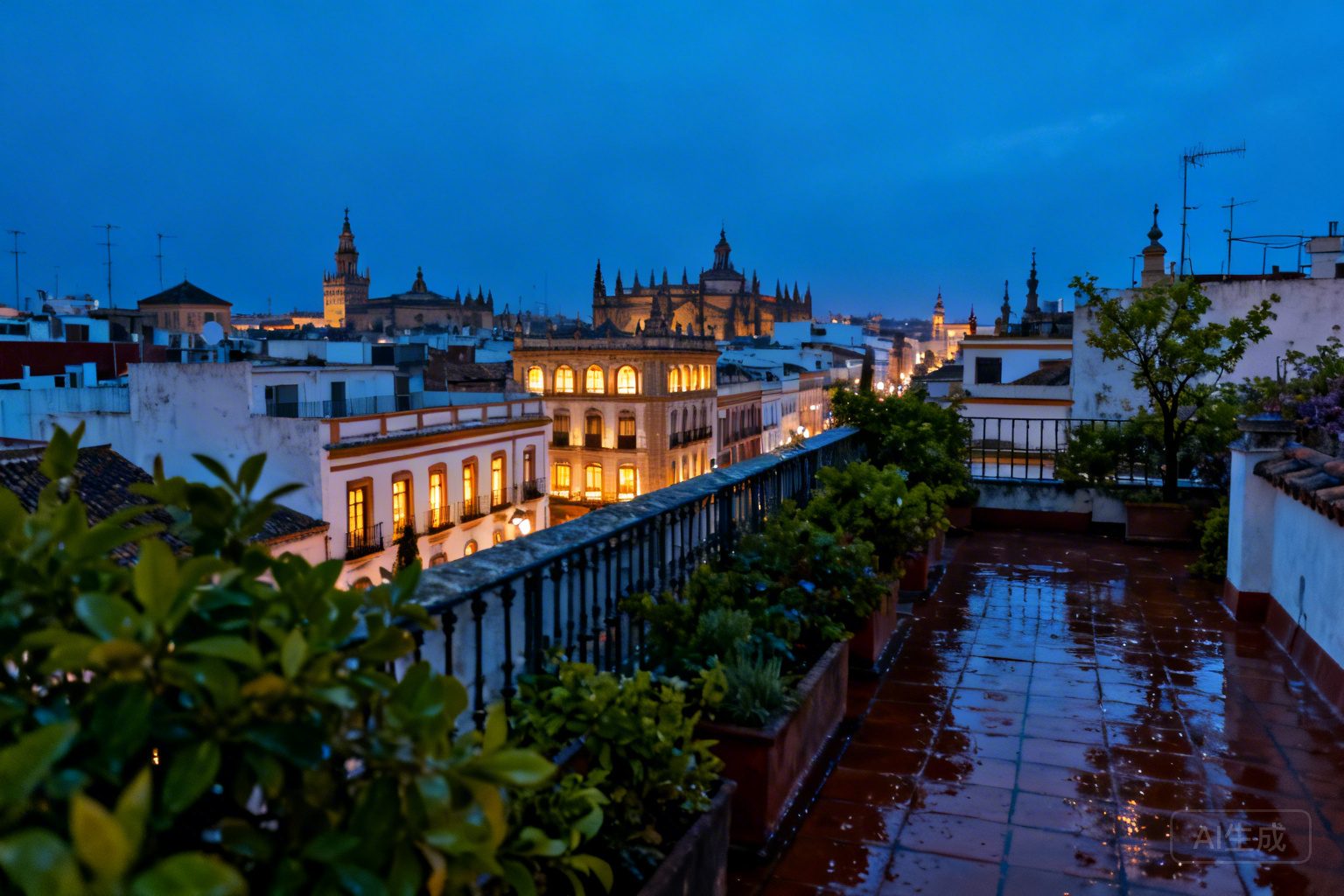
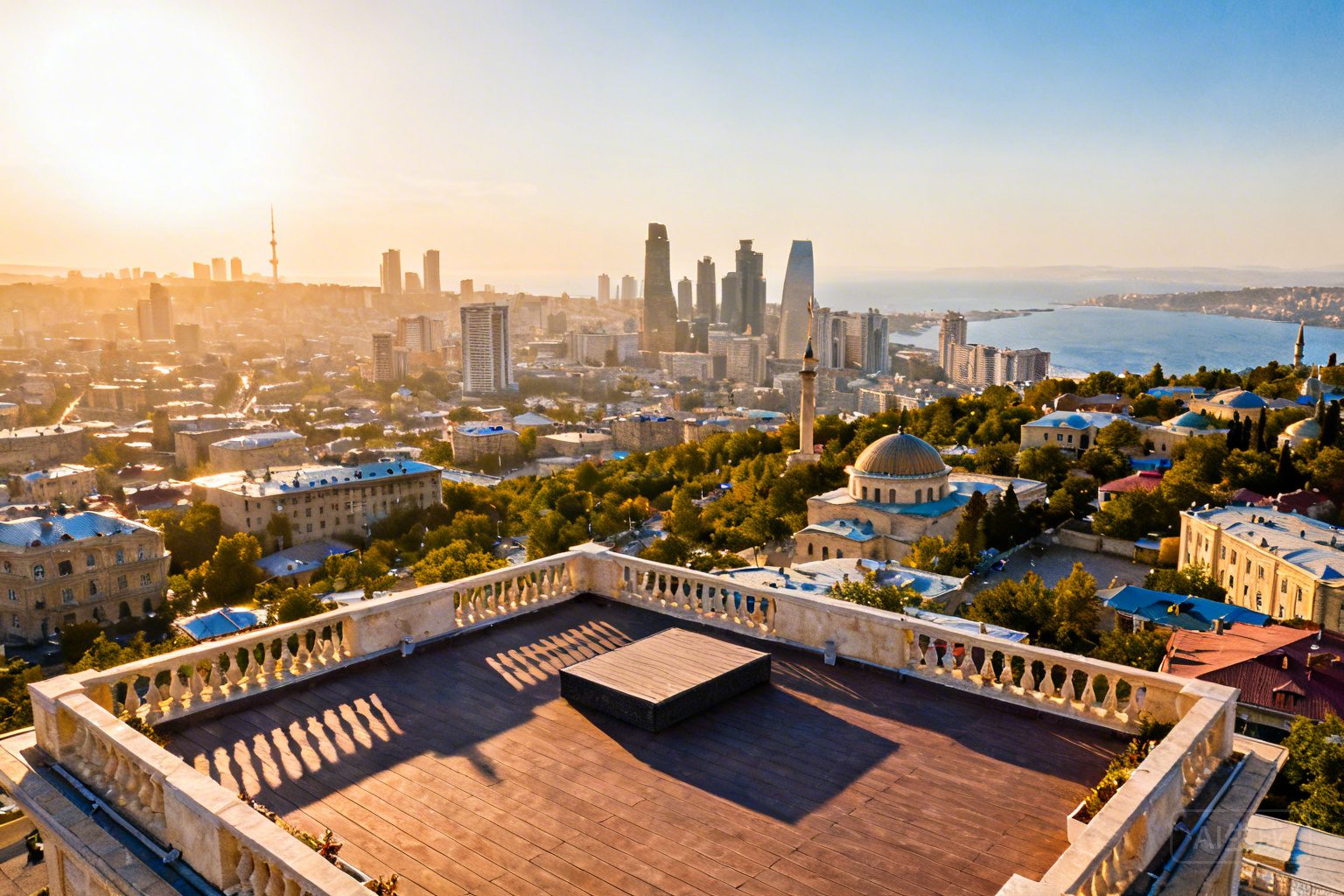
The air in Quito does not merely exist; it confronts you. At 9,350 feet, the atmosphere is thin, a translucent veil that offers no protection from the equatorial sun. It tastes of diesel exhaust, roasted corn, and the sharp, metallic tang of coming rain. To step out onto the balcony of a boutique hotel in the San Marcos district is to experience a sudden, jarring vertigo. The city doesn’t sprawl; it climbs. It clings to the corrugated flanks of the Pichincha volcano like a desperate lover, a riot of pastel concrete and ancient stone spilling into a basin that feels far too small for its two million souls.
I watched a single hawk circle the spire of the Basilica del Voto Nacional. Below, the city was waking up in a chorus of friction. The sound of metal shutters rattling upward—a rhythmic, abrasive percussion—echoed off the cobblestones. There is a specific pitch to the street vendors’ cries here, a melodic, mournful cadence that turns the word “Aguacate” into a three-syllable opera. A woman in a felt fedora, her back curved into a permanent question mark by decades of hauling bundles, moved with a slow, tectonic gravity toward the central market. She didn’t look up. In Quito, you either master the incline or it masters you.
To visit this city is to inhabit a state of permanent breathlessness. It is a place of baroque excess and brutalist utility, where 16th-century gold leaf hides behind soot-stained facades. If you have only a few days before the siren song of the Galápagos or the humid embrace of the Amazon pulls you away, you must learn to stop and stare. You must let the altitude slow your heart until it matches the pulse of the stones.
1. The Gilded Silence of La Compañía de Jesús
Walking into the Church of the Society of Jesus is not an act of worship; it is an act of sensory drowning. The transition from the blinding white glare of the Calle García Moreno into the interior is a plunge into a golden throat. Seven tons of 24-karat gold leaf coat every square inch of the volcanic stone walls, carved into intricate, twisting moorish patterns that seem to vibrate in the low light. The air inside is heavy, smelling of cold wax and five centuries of whispered anxieties.