The 7 Most Colorful Neighborhoods in Colombo That Will Brighten Your Feed!
The Chrome and Cinder of a Tropical Fever Dream
To enter Colombo is to abandon the sanitized geometry of the modern world. Here, the Indian Ocean does not merely lap at the shore; it exhales a salty, humid weight that settles into the pores of the city’s masonry, turning whitewashed walls into canvases of damp moss and peeling ochre. This is a city of tectonic shifts—where glass-shattering skyscrapers rise like silver splinters above the crumbling, baroque skeletons of the British Raj and the sun-bleached tiles of Portuguese ancestry.
The light here is different. It is not the thin, polite sunshine of the north. It is a thick, golden syrup that pours over the streets at 6:00 AM, igniting the dust kicked up by three-wheeled tuk-tuks. By midday, it turns a predatory white, bleaching the vibrancy out of the pavement until the evening monsoon clouds arrive, bruised purple and heavy with the scent of wet asphalt and cinnamon. If you seek the “colors” of Colombo, you must look past the primary-colored filters of a smartphone. You must look at the patina of time.
My journey began at the edge of the Laccadive Sea, where the wind smells of diesel and dried sprats, moving inland through the arteries of a capital that refuses to be quiet.
1. Pettah: The Technicolor Labyrinth
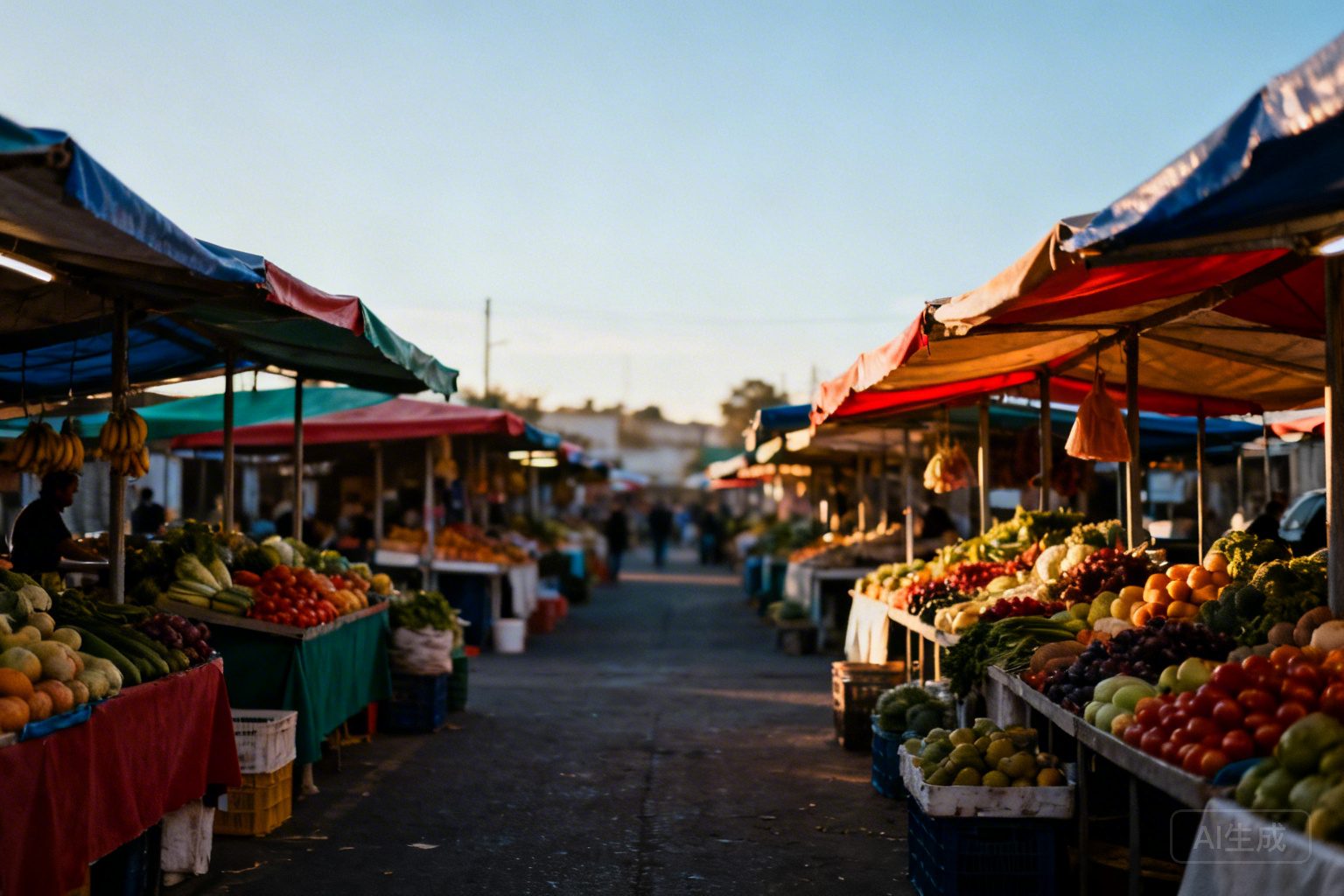
If Colombo has a heartbeat, it is the cacophonous, claustrophobic pulse of Pettah. This is not a neighborhood so much as a feverish trade negotiation conducted in forty different dialects. To walk down Second Cross Street is to be submerged in a sea of textiles—bolts of silk the color of crushed beetles and polyester saris that shimmer like oil slicks on water. The architecture here is a palimpsest; look up, and you see Dutch gables strangled by a chaotic web of black electrical wires, a precarious nest for the crows that act as the district’s sentinels.