The 7 Most Colorful Neighborhoods in Male That Will Brighten Your Feed!
The Kaleidoscope on the Equator: A Cartography of Light
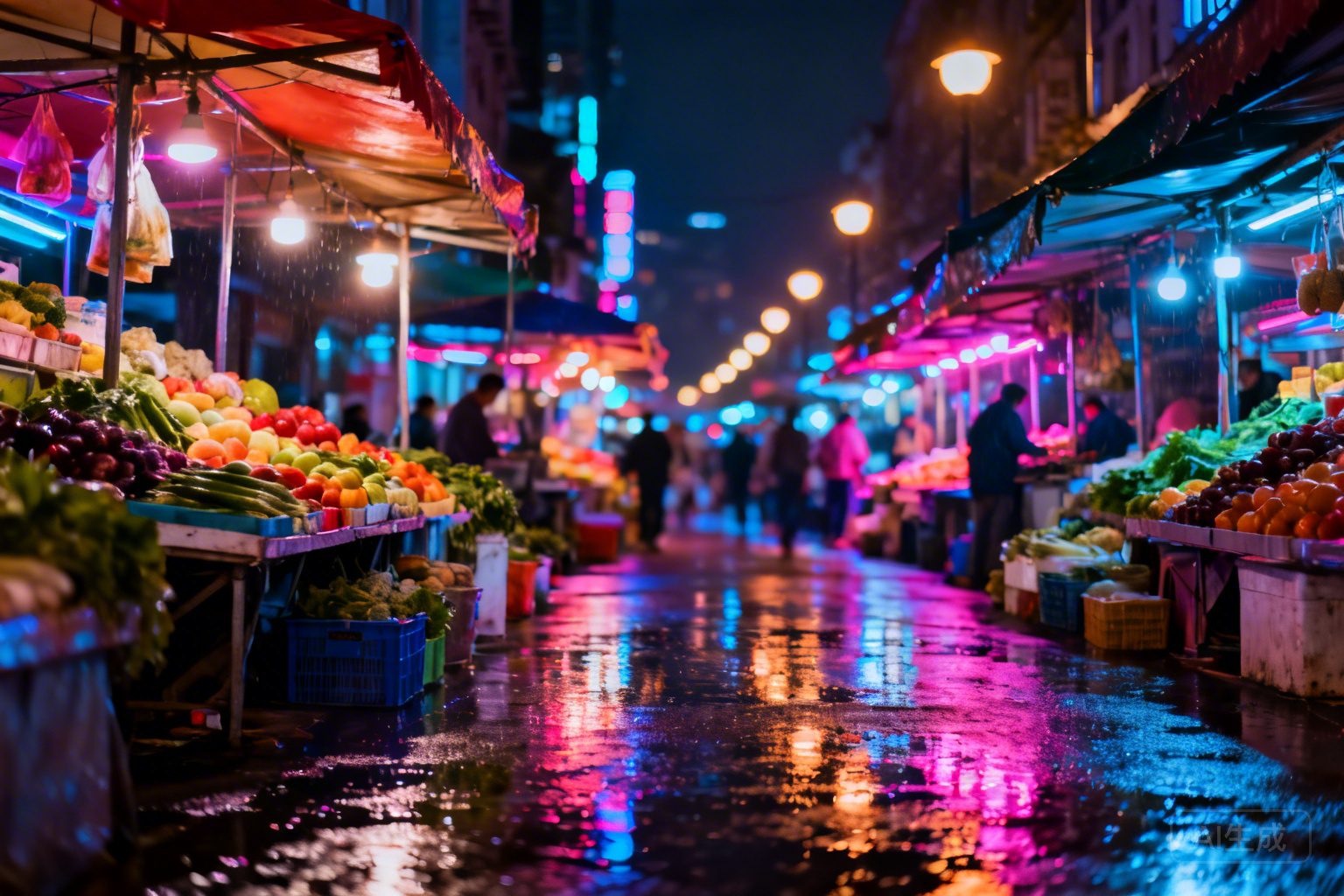
To look at Malé from the cockpit of a Twin Otter seaplane is to behold a frantic, impossible Tetris game played with neon bricks. The island—barely two square kilometers of coral sand reclaimed by the sheer, stubborn will of 200,000 souls—is a defiance of geography. It is the most densely packed scrap of land on earth, a vertical labyrinth rising out of a turquoise void. But as the landing floats kiss the salt water and the humidity hits your skin like a warm, wet wool blanket, the aerial geometry dissolves. You are plunged into a sensory riot where the air tastes of diesel exhaust and desiccated tuna, and the walls scream in shades of fuchsia, lime, and cerulean.
This is not the Maldives of the honeymoon brochure. There are no overwater villas here, no silent white-sand expanses. Instead, there is the cacophony of a city that refuses to be beige. In Malé, color is not a decorative choice; it is a psychological defense against the overwhelming blue of the surrounding Indian Ocean. We wander into the grid, seeking the seven prisms of this coral metropolis.
1. Henveiru: The Coral Cerulean and the Salt-Stained Past
We begin in the northeast, where the salt spray from the outer breakwater coats everything in a fine, crystalline glaze. Henveiru is the neighborhood of embassies and legacies, where the grand old houses of the merchant class still lean precariously over narrow lanes. Here, the blue is not merely blue; it is the color of a shallow lagoon trapped in a bucket. I run my hand along a wall near the Artificial Beach; the paint is thick, layered over decades, cracking into a topographical map of past renovations. It feels like lizard skin—dry, scaly, and warm.
A man passes me on a rusted Honda Super Cub, his white *sarong* fluttering like a distressed flag. He is a ‘Dhon Hiyala’ of the modern age, perhaps, though he looks more concerned with the crate of eggs balanced on his lap. This is the district of the brusque waiter. At a corner café, a man named Ahmed tosses a stained rag over his shoulder and delivers a glass of *kalhu sai* (black tea) with a thud that threatens the glass’s structural integrity. He doesn’t smile. He has the eyes of a man who has seen the sea level rise by millimeters every year of his life. He is as permanent as the coral stone foundations beneath us.