The 7 Most Colorful Neighborhoods in Panama City That Will Brighten Your Feed!
The Chromatic Pulse of the Isthmus
Panama City does not merely exist; it vibrates. It is a humid, chaotic intersection of destiny and debris, where the Pacific Ocean smells of salt and ancient exhaust, and the skyscrapers of Punta Pacifica rise like glass shards intended to pierce the very belly of the sun. To arrive here is to be slapped in the face by a wet towel of humidity, a heat so thick you don’t breathe it—you swallow it. But beneath the steel-and-silicon canopy of the banking district lies a sprawling, kaleidoscopic labyrinth of neighborhoods that defy the grey monotony of globalization. This is a city painted in the key of defiance.
I began my journey at the hour when the light turns the color of a bruised mango. The city is a palimpsest, layers of history scraped away and painted over, again and again. To find the “color” here is to look past the neon signs of the malls and into the cracks of the stucco, where the pigments of the 19th century still bleed through the rains of the 21st. We are searching for more than just a backdrop for a digital feed; we are searching for the soul of a city that refuses to be muted.
1. Casco Viejo: The Fading Grandeur of the Gilded Ghost
There is a specific smell to Casco Viejo—a mixture of expensive jasmine perfume, damp limestone, and the briny ghost of a pirate’s breath. Walking through the Plaza de la Independencia, the air feels heavier, weighted down by the gravity of colonial ambition. Here, the colors are not merely bright; they are authoritative. I watched a man in a sweat-stained linen suit—a brusque waiter with the posture of a disgraced general—flick a cigarette into the gutter. He didn’t look at the tourists. He looked through them, toward the horizon where the tankers wait to enter the Canal.
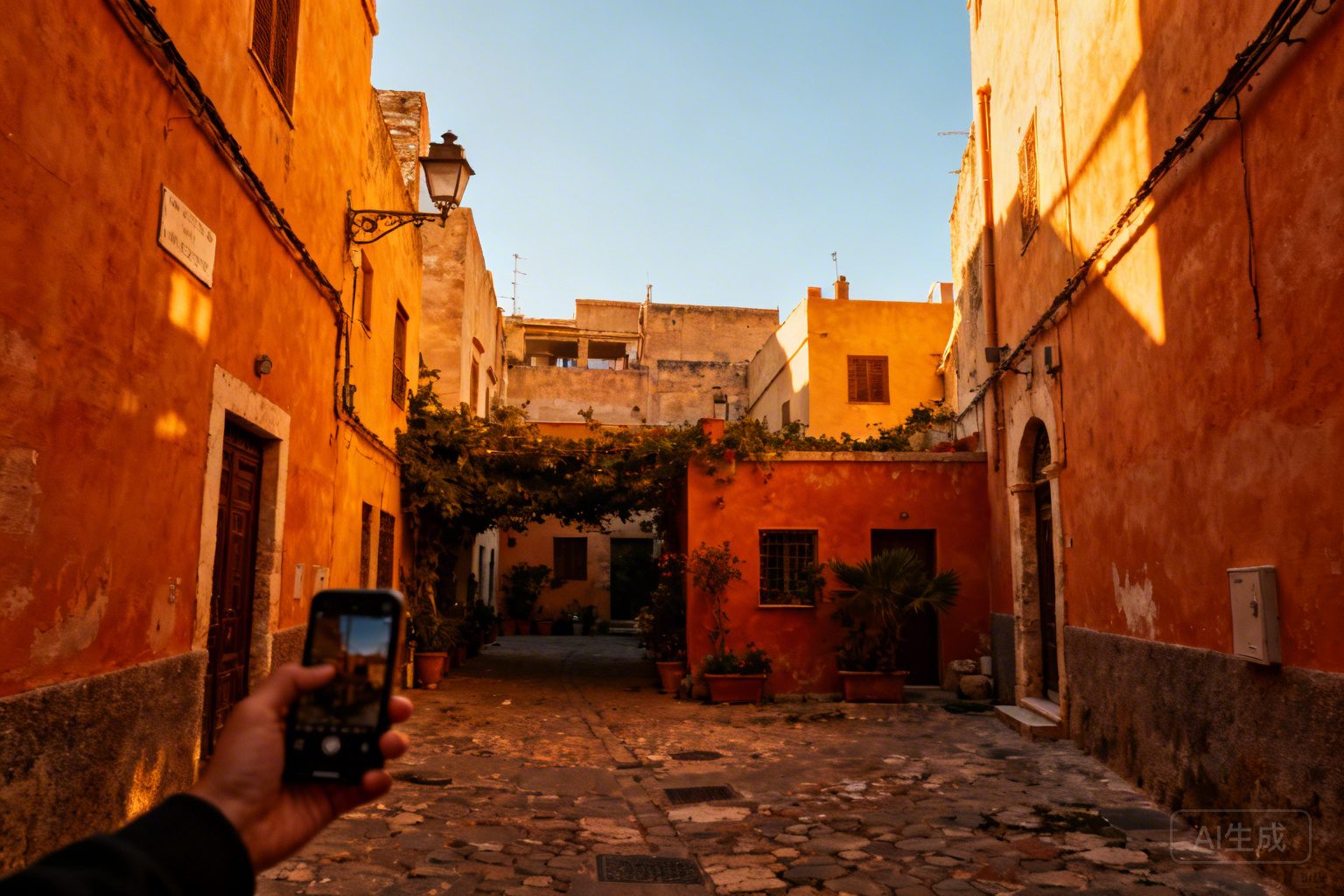
The walls are a riot of oxblood red, canary yellow, and a blue so deep it feels like looking into a mountain lake. But look closer. Notice the peeling paint on a 100-year-old door on Calle 4ta. The wood is cedar, silvered by a century of salt spray, the turquoise pigment flaking off in scales like a dying tropical fish. Underneath the blue is a layer of pale pink, and under that, the raw, grey memory of the stone. It is a chronological map of aesthetics.