The 7 Must-See Wonders in Brussels You Can’t Miss!
The Gilded Labyrinth: Navigating the Seven Souls of Brussels
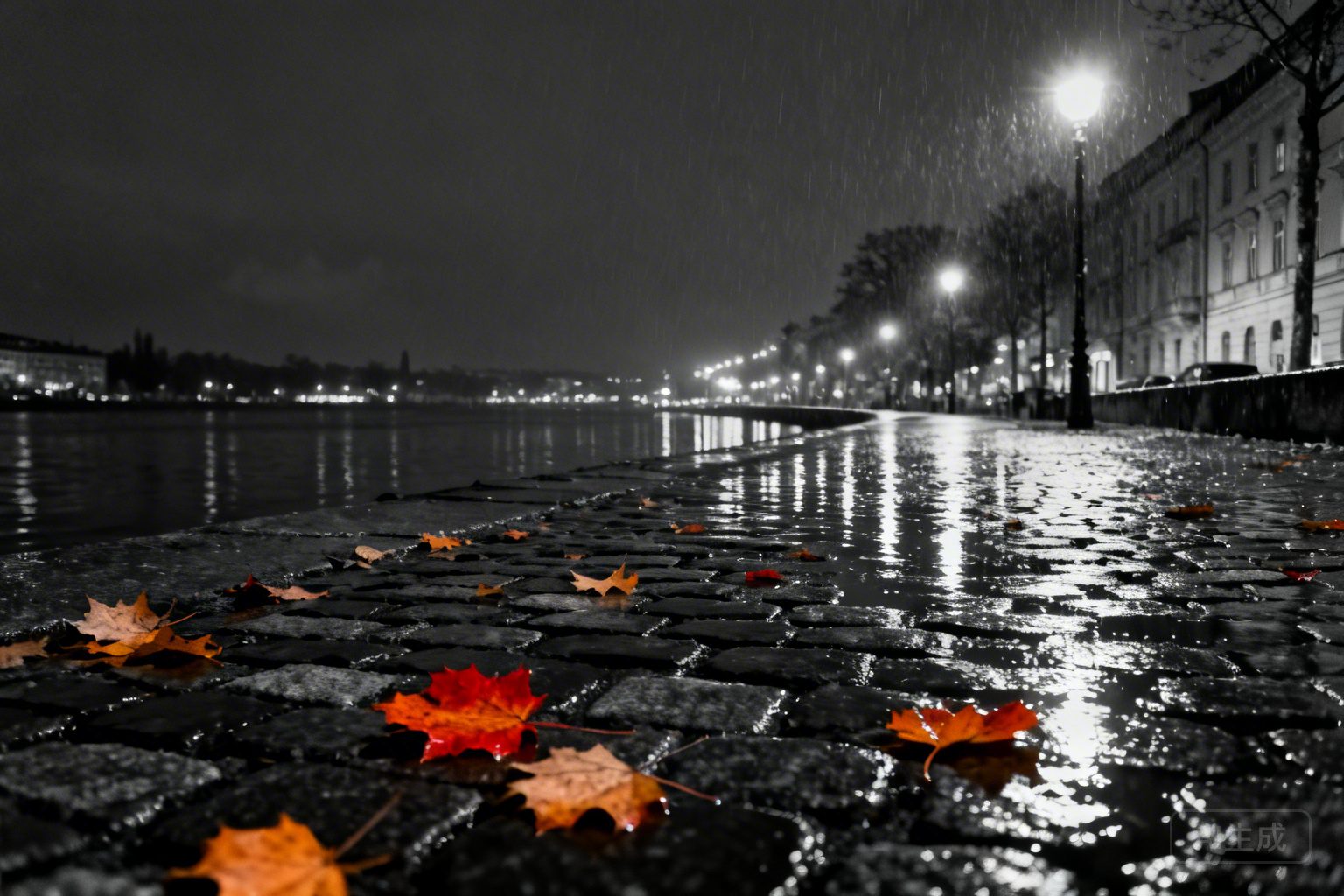
Brussels is not a city that reveals itself to the casual flirtation of a weekend traveler. It is a city of layers, a palimpsest of medieval grit and glass-paneled bureaucracy, where the smell of caramelized sugar fights a losing battle against the damp, metallic scent of the Senne river, now mostly buried beneath the cobblestones like a forgotten secret. To walk through Brussels is to move through a fever dream of architectural contradictions, where Gothic spires scratch at the grey, low-slung clouds and Art Nouveau curves melt into the brutalist concrete of the European Quarter.
I arrived as the sun was doing that particular Belgian thing—refusing to shine while simultaneously blinding you with a flat, pearlescent glare. The air was a sharp 8 degrees Celsius, tasting of ozone and diesel. At the Gare du Midi, the platform was a frantic choreography of North African spice traders with stained leather jackets and Eurocrats in navy suits so crisp they looked like they might shatter. I ignored the sirens and the frantic digital chirps of the ticket barriers, turning my collar up against a wind that felt like a wet sheet being slapped against my face. I wasn’t here for the postcards. I was here for the bones of the place.
1. The Grand Place: A Theater of Gold and Grime
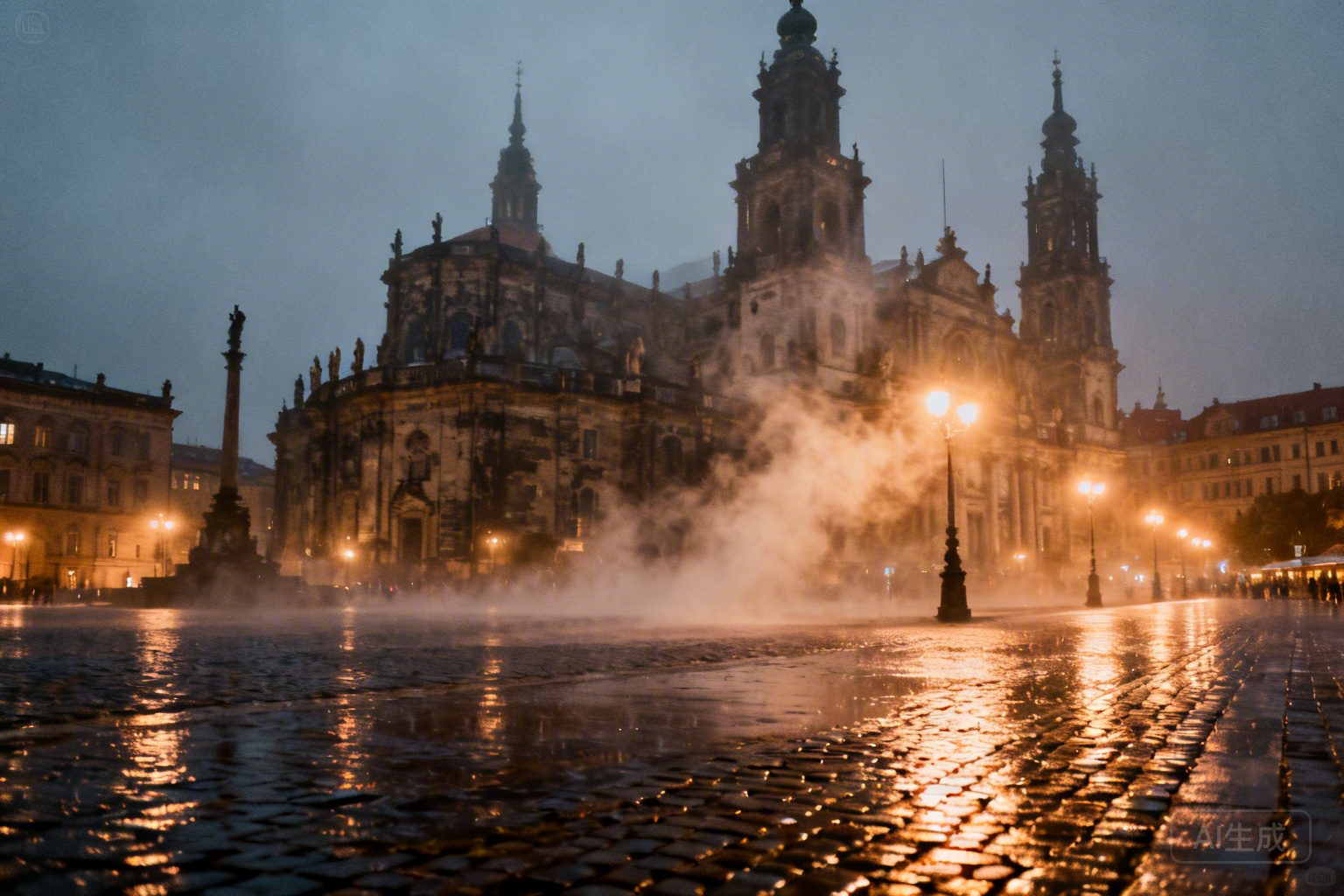
There is a specific frequency of sound in the Grand Place—a hollow, echoing roar that bounces off the guildhalls’ gilded facades. It is the sound of ten thousand tourists breathing at once, filtered through the clatter of horse-drawn carriages and the rhythmic scritch-scratch of a street artist’s charcoal. I stood in the center of the square, my boots finding the uneven grooves of the 17th-century cobbles. The paint on the heavy oak doors of the King’s House isn’t just blue; it’s the bruised indigo of a summer storm, peeling in long, curled strips that reveal the pale, desiccated wood beneath.
I watched a waiter at Le Roi d’Espagne—a man with a mustache so sharp it could have sliced a lemon and a temperament to match. He balanced a tray of Chimay with the bored grace of a tightrope walker, his eyes never once meeting those of the patrons. He is the quintessential Bruxellois: impeccably professional and utterly indifferent to your existence. Above him, the statues of the guilds—the brewers, the archers, the tailors—gaze down with gold-leafed eyes that catch the flickering light of the lanterns. The gold is too bright, too gaudy, a deliberate middle finger to the French kings who once tried to burn this square to the ground. It is a monument to stubbornness.