The 7 Must-See Wonders in Budapest You Can’t Miss!
The Amber Hour in the City of Spite and Splendor
Budapest does not reveal itself to the casual observer; it demands a surrender to its shadows. It is a city built on the tectonic friction of two halves—Buda, the brooding, aristocratic elder sister perched on limestone cliffs, and Pest, the frantic, nicotine-stained urbanite sprawling across the plain. To walk these streets is to navigate a palimpsest of tragedies and triumphs, where the scent of unwashed stone meets the sugar-dusted promise of a kürtőskalács stall. The wind here, particularly at the corner of Vörösmarty Square, carries a bite that feels less like weather and more like a reprimand from the 19th century.
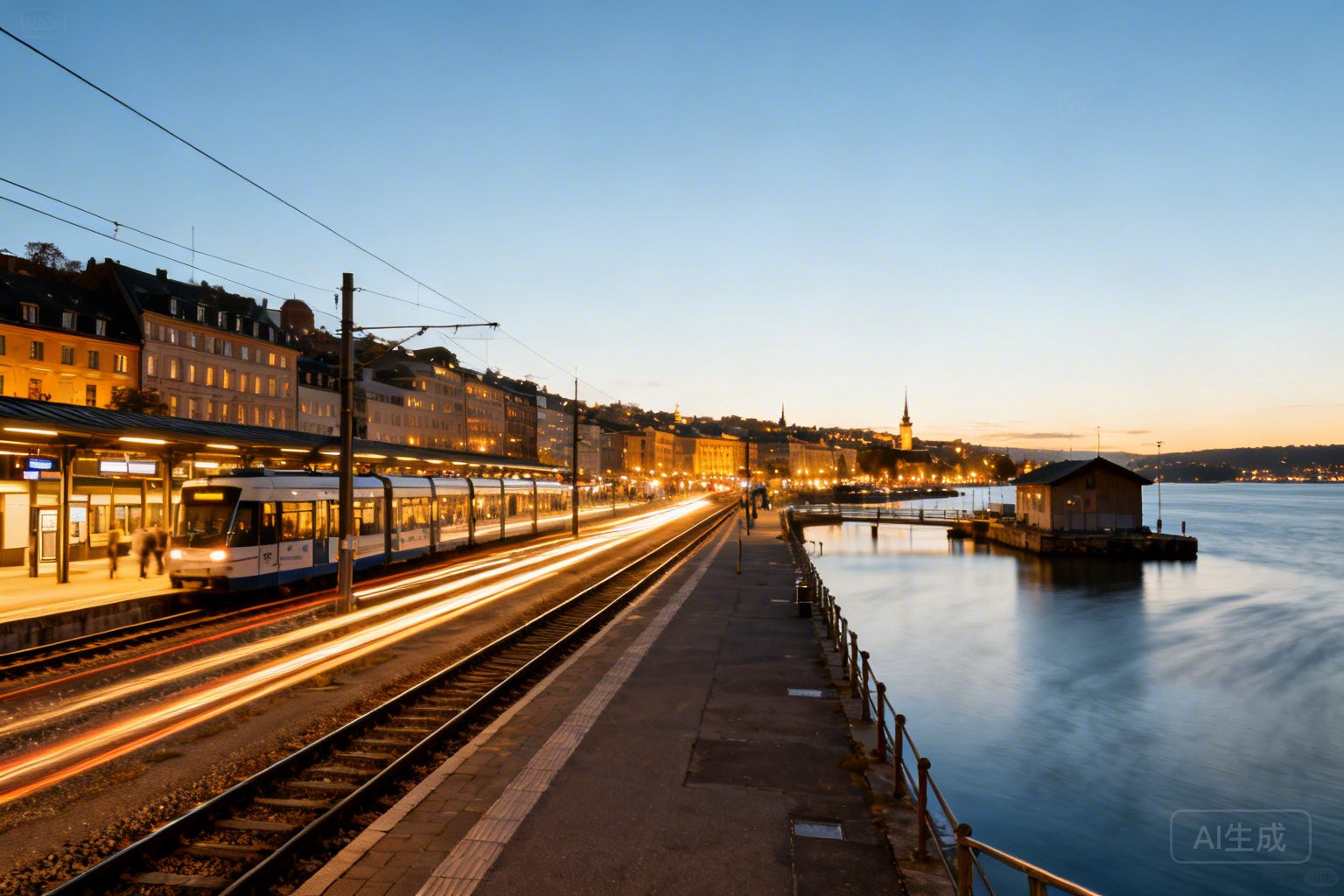
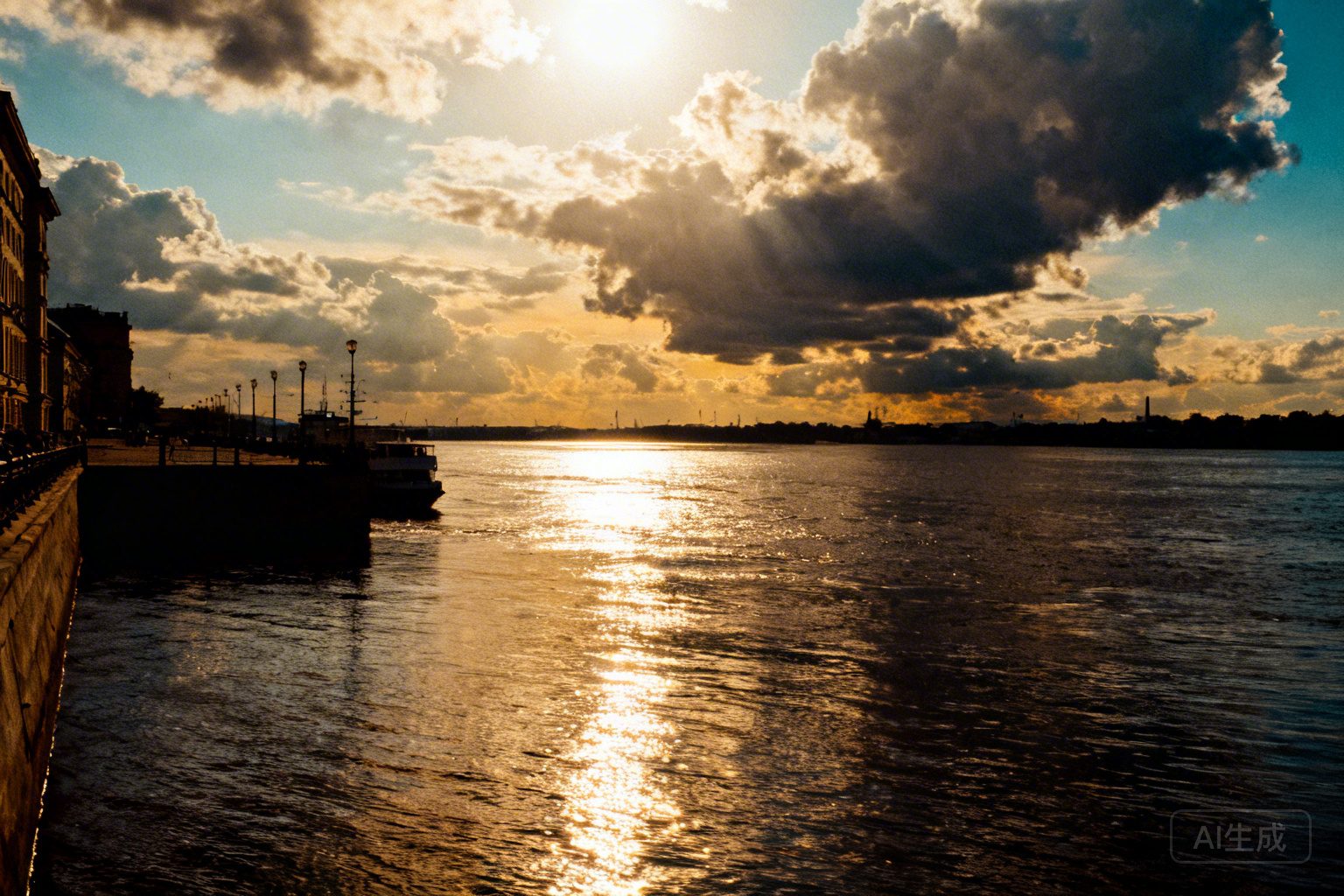
I found myself standing by the Danube at dusk, the river a bruise-colored ribbon cutting through the heart of the city. The air smelled of diesel and damp wool. A tram rattled past—the iconic yellow No. 2—its metal screeching against the rails in a pitch so specific it felt like a needle scratching a vinyl record. This is not a city of soft edges. It is a city of wrought iron, bullet-pocked facades, and the relentless, rhythmic pulse of a history that refuses to stay buried.
1. The Parliament: A Gothic Fever Dream
There is a specific kind of madness required to build the Hungarian Parliament Building. It is a structure that seems less constructed and more exhaled by a giant. Standing on the Kossuth Lajos Square, the scale of it is meant to diminish you. The limestone is the color of old lace, carved into a dizzying array of 365 spires—one for every day of the year—and guarded by lions that look as though they might sneeze if the dust of the city becomes too much to bear.
Inside, the air changes. It becomes heavy with the weight of gold leaf—forty kilograms of it, to be precise. I watched a security guard, a man with a jaw like a cinderblock and eyes that had seen too many bureaucratic shifts, polish a brass railing with a rag that looked older than the Republic. He didn’t look up. The tourists buzzed like flies around the Holy Crown of Saint Stephen, but the silence in the grand stairwell was absolute, save for the muffled thud of footsteps on deep crimson carpeting. The textures here are oppressive: the cold, unyielding marble of the columns versus the velvet-soft light filtering through stained glass. It is a cathedral of governance, a monument to a kingdom that no longer exists, yet refuses to stop dreaming of itself.